The Houbara Bustard does not belong to any royal family or any government. It belongs to nature and to future generations.
By Ramesh Raja
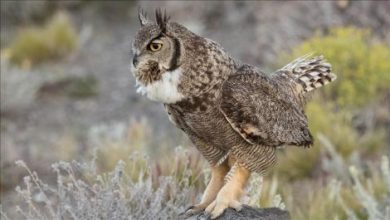
Every winter, a shy migratory bird arrives quietly in Pakistan’s deserts and we see land cruisers and our feudal lords in deserts as servants. This bird is the Houbara Bustard. It comes from the cold lands of Central Asia, from Kazakhstan, Uzbekistan, and beyond, seeking warmth and survival. In many countries, it is protected. In Pakistan, it is hunted. This simple fact raises serious questions about our laws, our priorities, and the price we are willing to pay for diplomacy.
The Houbara Bustard is listed as a vulnerable species by international conservation bodies. It breeds slowly and depends on fragile desert land. Even limited hunting can reduce its population sharply. Pakistan’s deserts—Cholistan, Thar, Thal, and parts of Balochistan—are among the most important winter habitats for this bird. That makes Pakistan not just a host, but a custodian.
 For centuries, hunting the Houbara with falcons has been part of royal tradition in parts of the Arab world. It is seen as a symbol of heritage, status, and power. Alongside tradition, there is a long-held belief, without any scientific proof, that eating Houbara meat increases sexual strength and fertility. Doctors reject this claim, but the belief still persists, especially among older elites. The important point is that the bird is not hunted for food or survival. It is hunted for prestige and personal belief.
The irony is that the Houbara has almost disappeared from much of the Arabian Peninsula. Overhunting, modern vehicles, and desert development wiped it out there. So, the hunt moved abroad. But not every host country agreed to allow it. Morocco has completely banned hunting the Houbara, even for foreign royals, and instead runs strong breeding and conservation programs. Kazakhstan allows very limited hunting based on scientific advice, applying the same rules to citizens and foreigners alike. Uzbekistan has imposed near-total bans, enforced strictly. These countries welcome conservation cooperation, but not hunting privileges.
Pakistan, however, is different. Our economy depends heavily on Gulf countries for oil supplies, financial assistance, jobs for millions of Pakistani workers, and diplomatic support. Over time, hunting permits for Arab royals became a gesture of goodwill. The bird quietly became a bargaining chip in international relations.
Pakistan’s own laws, meanwhile, restrict hunting of endangered species. The Constitution guarantees the right to life, which courts have interpreted to include a healthy environment. In 2015, the Supreme Court banned Houbara hunting and clearly stated that giving special treatment to foreigners was unconstitutional. Yet the ban was later relaxed, citing foreign relations. This revealed a painful truth: our laws protect wildlife only until diplomacy intervenes.
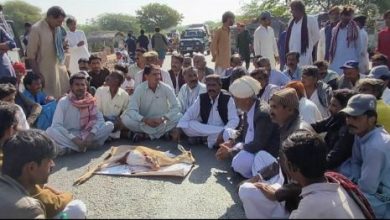
The cost on the ground is clear. Local people are barred from entering their own lands during hunting seasons. Ordinary Pakistanis face punishment for acts that foreign guests are legally allowed to commit. Environmental damage caused by hunting camps and convoys is rarely accounted for. This creates a sense of injustice and damages Pakistan’s international image.
Pakistan does not need to choose between diplomacy and dignity. It can impose a clear ban on hunting without exceptions, replace hunting diplomacy with conservation diplomacy, make population data and permits public, involve local communities in protection efforts, and stand by court decisions even when it is uncomfortable. Other countries have done it; Pakistan can too.
The Houbara Bustard does not belong to any royal family or any government. It belongs to nature and to future generations. The real question is not about a bird. It is about who we are as a state. Will we protect our natural heritage with self-respect, or continue to trade it quietly for short-term favors? History will remember the answer.
Read: Wildlife: Bird on the brink
_________________
 The author of this article, Engr. Ramesh Raja, is a Civil Engineer, visionary planner, PMP certified and literary enthusiast with a passion for art and recreation. He can be reached at engineer.raja@gmail.com