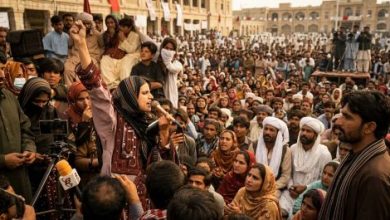
SANA International Sindhi Diaspora Conference, London, 2026 – A step toward a United Global Sindhi Future
- The SANA International Sindhi Diaspora Conference 2026 is more than a gathering; it is a call to action. It invites Sindhis everywhere to reflect on who they are, where they come from, and where they wish to go as a global community.
By Abdullah Usman Morai | Sweden
In an increasingly interconnected yet fragmented world, the significance of bringing communities together under a shared identity cannot be overstated. The upcoming SANA International Sindhi Diaspora Conference 2026 in London, organized by the Sindhi Association of North America (SANA), stands as a powerful symbol of unity, vision, and collective responsibility. With its compelling theme, “Beyond Borders: Building a United Global Sindhi World Community,” the conference is not merely an event, it is a movement toward reconnecting a globally dispersed yet culturally rich people.
The Significance of the Conference
Sindhis, historically known for their adaptability, entrepreneurial spirit, and cultural depth, have established themselves across continents from South Asia to Europe, North America, the Middle East, and beyond. However, with migration comes the subtle risk of cultural dilution, identity fragmentation, and generational disconnect.
This conference serves as a bridge, linking Sindhis across borders, professions, and generations. It offers a rare opportunity for intellectual exchange, cultural celebration, and strategic collaboration. More importantly, it provides a platform to collectively reflect on the future of Sindhi identity in a rapidly evolving global landscape.
 Why It Matters Today
The modern Sindhi diaspora faces unique challenges. Younger generations, born and raised outside Sindh, often struggle to connect with their linguistic and cultural roots. At the same time, Sindh itself grapples with socio-economic challenges, climate vulnerabilities, educational disparities, and the pressures of globalization.
In such a context, gatherings like this conference are crucial. They remind us that identity is not confined to geography; it is carried through language, culture, traditions, values, and shared memory. They also reinforce the idea that diaspora communities are not passive observers but active contributors to the development and preservation of their heritage.
Supporting Sindhi Students Abroad: A Necessary Step
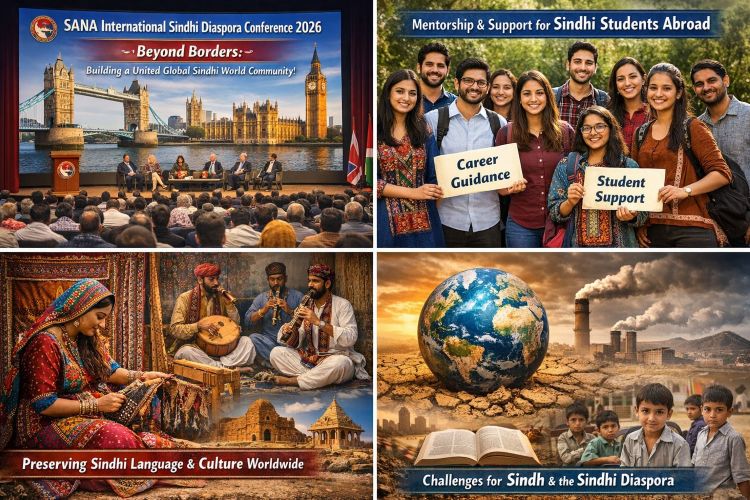
One of the most pressing and practical areas where SANA can expand its role is in supporting Sindhi students studying abroad. Thousands of young Sindhis travel to foreign countries each year in pursuit of education. While they carry ambition and hope, many also face uncertainty, isolation, and a lack of guidance.
From my perspective, SANA can play a transformative role by:
- Establishing mentorship programs connecting students with experienced professionals in their fields
- Creating career guidance platforms offering advice on job markets, internships, and professional networking
- Organizing career fairs and webinars tailored specifically for Sindhi youth
- Providing emotional and community support networks to help students adjust socially and culturally
Such initiatives would not only empower individuals but also strengthen the global Sindhi professional network.
Preserving Sindhi Language and Culture Globally
Language is the soul of any culture, and for Sindhis, it is the thread that binds generations together. However, in diaspora settings, the Sindhi language is at risk of fading, especially among younger generations.
SANA can take proactive steps to safeguard this heritage:
- Launching online Sindhi language learning platforms for children and youth
- Supporting cultural festivals, literary events, and storytelling sessions worldwide
- Encouraging digital content creation in Sindhi, including podcasts, YouTube channels, and social media initiatives
- Collaborating with educational institutions to introduce Sindhi language and cultural studies programs
Preservation must evolve with time, embracing technology and modern communication tools to keep traditions alive.
Future Challenges for Sindh and Sindhis
Looking ahead, both Sindh and the global Sindhi community face several emerging challenges:
- Climate Change: Sindh is particularly vulnerable to floods, water scarcity, and environmental degradation
- Educational Gaps: Limited access to quality education in rural areas continues to hinder progress
- Economic Pressures: Youth unemployment and lack of opportunities push migration, often without adequate preparation
- Cultural Erosion: Globalization, while beneficial, can dilute traditional values and practices
- Identity Crisis in Diaspora: Younger Sindhis may struggle to balance assimilation with cultural preservation
Addressing these challenges requires collective effort, bridging the gap between homeland and diaspora.
A Way Forward: Recommendations
To ensure long-term impact, SANA and similar organizations can consider:
- Building a Global Sindhi Network Database to connect professionals, students, and entrepreneurs
- Establishing scholarship programs for underprivileged Sindhi students
- Promoting research and policy discussions on issues affecting Sindh
- Encouraging philanthropic initiatives focused on education, healthcare, and climate resilience in Sindh
- Creating youth leadership programs to prepare the next generation of Sindhi leaders
Extending Best Wishes
It is a great honor to extend my heartfelt greetings on the occasion of this prestigious gathering. I commend SANA for bringing together Sindhis from across the world under such an inspiring theme. This conference represents not only a gathering of individuals but a collective vision to unite our voices, empower future generations, and strengthen our shared identity.
I extend my best wishes for the success of this conference and sincerely hope it serves as a milestone in building a stronger, more connected global Sindhi community.
Conclusion
The SANA International Sindhi Diaspora Conference 2026 is more than a gathering; it is a call to action. It invites Sindhis everywhere to reflect on who they are, where they come from, and where they wish to go as a global community.
“Beyond Borders” is not just a theme; it is a responsibility. A responsibility to remain connected despite distances, to preserve what defines us, and to build a future where Sindhi identity is not only remembered but actively lived and celebrated.
If this vision is embraced with sincerity and strategic action, the global Sindhi community can emerge stronger, more united, and better prepared to face the challenges of tomorrow while honoring the legacy of yesterday.
Read: Sindh’s Heritage Games: Forgotten Childhood Echoes
_______________
 Abdullah Soomro, penname Abdullah Usman Morai, hailing from Moro town of Sindh, province of Pakistan, is based in Stockholm Sweden. Currently he is working as Groundwater Engineer in Stockholm Sweden. He did BE (Agriculture) from Sindh Agriculture University Tando Jam and MSc water systems technology from KTH Stockholm Sweden as well as MSc Management from Stockholm University. Beside this he also did masters in journalism and economics from Shah Abdul Latif University Khairpur Mirs, Sindh. He is author of a travelogue book named ‘Musafatoon’. His second book is in process. He writes articles from time to time. A frequent traveler, he also does podcast on YouTube with channel name: VASJE Podcast.