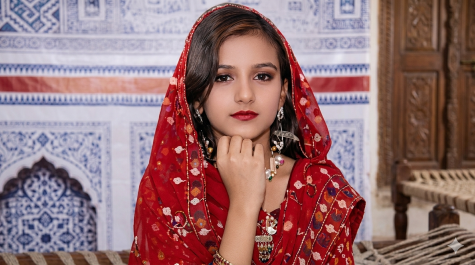
Some old ways of thinking—especially feudal and tribal attitudes—are no longer protecting society. In fact, they are hurting the younger generation. If we do not address this, we risk losing the very people who are meant to build the future.
Dr. Muhammad Mataro | Ireland
The recent killing of a young girl in Sindh in the name of “honour” is not just one tragic incident. It reflects something deeper that we, as a society, need to face honestly.
Let me be clear from the beginning: this is not about rejecting Sindhi culture or traditions. Our culture carries strong and beautiful values—respect, dignity, family and community bonds, and a sense of responsibility towards society. These are things we should be proud of and protect.
But no culture is perfect. When values are misunderstood or taken to extremes, they can begin to harm instead of protect.
The real problem is often not the idea of honour itself, but how it is used. In many cases, honour becomes mixed with control, ego, and fear of what others will say. Decisions are made in anger or pressure, not with justice or wisdom.
Young people suffer the most in this.
They are often denied reasonable, age-appropriate autonomy. They are not seen as individuals with their own thinking, their own time, and their own challenges. Instead, they are expected to live exactly like previous generations—to follow the same paths without question, even when those paths no longer make sense in today’s world.
This pressure is not only on girls. Boys, men, and women all go through it. Many grow up in fear—fear of making mistakes, fear of speaking up, fear of disappointing their families or communities. This creates silent suffering. It affects mental health, confidence, and the ability to ask for help.
We are now seeing more and more cases of suicide among young people in Sindh, even among the educated. This should deeply worry all of us. It shows that many feel trapped—between family expectations and social pressure—with no safe space to speak.
Some give up completely. Others continue living without hope, silently accepting whatever is forced upon them. And those who try to think differently are sometimes punished in the harshest ways—even facing violence or death.
Another painful reality is the silence around abuse.
Sexual abuse, even within families, often goes unspoken. Victims stay quiet because they are afraid—afraid of being blamed, not believed, or triggering larger conflicts.
In some cases, speaking up can lead to serious violence between families or tribes. So people choose silence to avoid destruction. But in doing so, this silence protects the wrong people.
Many young individuals do not have even one safe person in their life they can turn to. They carry their pain alone.
This has created a dangerous reality in our society: almost anything is tolerated as long as it remains hidden. The problem is not the act—it is whether people find out about it.
This is not honour. This is denial. This is a quiet disgrace.
For Sindhis living abroad, the pressure does not fully disappear. Even when families try to live with dignity and uphold their values, they still feel judged by relatives back home. There is a constant fear that exposure to a different society will be seen as a loss of identity.
Young people living abroad—especially girls—often carry guilt and stress even when they are doing nothing wrong. This becomes a barrier to their growth, confidence, and freedom.
Looking at Ireland offers some perspective. Irish society also went through a time of silence, strict control, and stigma. But over the years, it has made efforts to improve. Today, there are support systems, confidential helplines, and legal protections for people facing abuse. Victims are encouraged to speak, and their privacy is respected.
This does not mean everything there is perfect. Every society has its own challenges. And Sindh does not need to copy anyone completely.
But we can learn one important thing: people’s safety and dignity must come first.
The way forward is not to reject our culture, but to bring balance.
We must hold on to our good values—respect, family, and responsibility—but we must also let go of harmful practices. Honour should not mean control or fear. It should mean honesty, fairness, and accountability.
Some old ways of thinking—especially feudal and tribal attitudes—are no longer protecting society. In fact, they are hurting the younger generation. If we do not address this, we risk losing the very people who are meant to build the future.
Change does not have to come through conflict. It can come through awareness and honest conversation.
Educated and professional individuals—doctors, teachers, writers, lawyers—have an important role to play. They can raise these issues in a balanced and respectful way, without rejecting culture but still questioning what is harmful.
Families also need to evolve. Instead of control, there must be support. Young people need guidance, not fear. They need to feel safe, not judged.
No society can move forward if its young people feel trapped, unsafe, unheard, and without hope.
Sindh has a strong foundation and an ancient cultural heritage. If we are honest with ourselves and willing to change where needed, we can protect both our values—and our people.
Read: Might and Myths Should Not Rule
________________
 Dr. Muhammad Mataro Hingorjo is a Family Physician originally from village Dhandhi Hingorja, Tharpakar, Sindh, currently residing in Limerick Ireland.