The biggest challenge is the stigma attached with the word autism. Acceptance of this problem lacks in society as well as in the members of the affected families.
By Nazarul Islam | USA
In medical terms, Autism Spectrum Disorder (ASD) is described as the neurodevelopmental condition, consisting of autism disorder, Asperger Syndrome, and Pervasive Developmental Disorder which can be diagnosed using DSM 5 criteria for autism.
Sadly, autism is a lifelong disorder, having combinations of different symptoms that start becoming apparent mostly at two years of age, but some patients also show signs in their early infancy. Some of these symptoms include, decreased or increased senses, reduced eye contact, not responding to their names, not being aware of their surroundings, and repetitive behavior.
 According to a recent study, the rate of incidence of ASD has increased manifold in Pakistan in the last three decades. Another study conducted in 2022 has indicated that the prevalence of ASD in the world is 0.6%, out of which in Asia it is 0.4%, which is a very high number. No reliable data on the prevalence of ASD in Pakistan is available, as individuals with psychiatric disorders resist going to health professionals due to social stigma, leading to a low number of reports resulting in failure to receive proper care from professionals for the disorder.
However, the Pakistan Autism Society had estimated in 2020 that, about 350,000 children are suffering from ASD in Pakistan. Today the numbers are much higher.
A significant reason for the lack of proper behavioral and medical treatment in autistic children is its etiology, involving causes like gene expression and mutations, pesticides exposure, environmental pollution, metal ion accumulation, immuno-deficiency, viral infections, mother’s age and health, vaccination of both mother and the child. .
According to a study conducted in Karachi, fewer than 35 % of the participants had heard of autism, but a very low percentage of them were aware of features including signs and symptoms of the disorder, and an even lesser number knew about autism care centers in Karachi. Despite this, 95.6% of the people were ready to get their child treated, if diagnosed with autism. And healthcare services are available.
There are very few doctors and health care professionals including psychiatrists, psychologists in the country. The void is filled by General physicians who are playing an important role in diagnoses. Counseling is a major part of treatment. In the case of child autism parents are counseled to remove misconceptions about the disorder.
Pakistan’s two largest cities Karachi and Lahore boast of hospitals and healthcare units providing excellent services, but at a cost. However, there exist no institutions of repute offering services to autistic patients. Perhaps the incentives in the existing healthcare system are fewer. People have little or no knowledge, nor awareness of ASD. Lack of information has led to failure in identifying the symptoms and proper diagnosis of the disorder.
The people of Pakistan need to know the importance of identifying and reporting autism. Awareness programs need to be held to invite parents as well as health care professionals including general physicians, psychologists, and psychiatrists. Society in Pakistan must expand the horizon of knowledge regarding autism, helping patients in early diagnosis and planning the appropriate therapy.
Autism in Pakistan is marked by a significant lack of awareness, limited support services, and pronounced social stigma, making it a challenging condition for individuals and their families. While no official government data on prevalence exists, the Autism Society of Pakistan (ASP) estimates that there are over 350,000 children with ASD in the country.
It is unfortunate there exists no reliable epidemiological data available on ASD the country. Awareness among citizens including healthcare professionals is shamefully negligible. Some of them have not even heard of the term ‘autism’. This has often led to misdiagnosis resulting in lost opportunities for early intervention in autism patients.
The existing bias and limitations
Social Stigma and Misconceptions: The stigma surrounding mental health and developmental disorders is a major issue. Some families may hide their children with disabilities due to fear of negative judgment. Common misconceptions include the belief that autism is caused by “bad parenting” or is a temporary, curable condition. These factors often lead parents to consult traditional faith healers instead of medical professionals.
Limited Access to Services: Services are concentrated in major urban centers like Karachi and Lahore, leaving the majority of the population in rural areas with little to no access to diagnostic and therapeutic facilities. Specialized therapies like speech or occupational therapy are often prohibitively expensive for lower-income families.
Inadequate Professional Training: Medical school curricula in Pakistan typically offer limited exposure to child and adolescent mental health, including ASD. This results in a shortage of trained specialists, such as child psychiatrists and speech therapists, and contributes to the dismal variations in diagnostic practices.
Has there been a recorded progress?
Despite the challenges, efforts by non-governmental organizations (NGOs) and support groups have started to make a difference.
NGOs and Centers: The Autism Society of Pakistan (ASP) is a non-profit organization working on advocacy, training, and research, with resource centers in Rawalpindi and Islamabad. The Pakistan Centre for Autism (PCA), founded in 2012, provides therapeutic interventions and aims to build an inclusive society with multiple branches in Karachi.
Increased Awareness: Awareness campaigns and the hard work of parents and advocates have led to a greater number of people seeking education and therapies for their children.
Government Involvement: In a recent positive development, the first government-led autism school was launched by the Chief Minister of Punjab, indicating a potential shift towards greater institutional support.
Overall, while significant gaps remain in data collection, professional training, and accessible services, there is a growing movement in Pakistan towards better understanding, support, and inclusion for individuals with autism spectrum disorders.
Low awareness of autism in Pakistan is primarily caused by a combination of deeply ingrained cultural stigmas, limited and inaccessible healthcare resources, and systemic issues within the education and professional sectors.
What is the ground zero consensus?
Stigma and Misconceptions: There is significant social stigma attached to mental health and cognitive conditions. Autism is often not recognized as a neurodevelopmental disorder but is instead attributed to “evil spirits,” “divine punishment,” or poor parenting, which leads families to hide affected individuals to avoid shame and social exclusion.
Beliefs in Traditional/Faith Healing: Due to a lack of understanding and accessible medical facilities, many people, especially in rural areas, first seek traditional healers or religious preachers for a “cure” rather than evidence-based interventions.
Lack of Recognition for autism Disability: Autism is often not officially considered a disability in Pakistani society, which prevents families from advocating for specific rights, services, and support, thus contributing to the general public’s lack of knowledge.
Inadequate Healthcare System: Pakistan has faced a scarcity of trained professionals, including child psychiatrists, pediatricians, and speech therapists, who have formal training in diagnosing and treating ASD.
Lack of Diagnostic Facilities: The number of diagnostic and intervention centers is critically low, and existing private facilities are often expensive and concentrated in major urban centers like Karachi, making them inaccessible to the majority of the population.
Limited Government Support: There is an absence of comprehensive government-level policies, specific budget allocations for child mental health, or state-sponsored support programs for autism.
Socioeconomic Disparities: Access to information and professional help is largely determined by socioeconomic status. Families with fewer financial resources and those in rural areas are significantly less likely to have any awareness or access to diagnostic and therapeutic resources.
Educational and Professional loopholes
Non-Inclusive Education: Mainstream and even some special schools often lack the trained educators and inclusive academic frameworks needed to support children with ASD, which further limits community visibility and understanding of the condition.
Lack of Public Education Initiatives: There exist insufficient large-scale, government-led public awareness campaigns or educational programs that incorporate the study of disabilities into academic curricula to inform the general public about autism.
Social responses to autism in Pakistan are complex, largely characterized by a significant lack of public awareness and understanding that has led to stigma, social exclusion, and significant stress for parents, particularly mothers. However, strong family support systems within the collectivist culture can provide a vital protective factor.
What are the primary aspects of Social Responses?
Stigma and Social Exclusion: Stigma is a major issue, and families often hide individuals with disabilities for fear of negative social perceptions. Parents, particularly mothers, may be blamed for their child’s condition or for having “bad” parenting styles, leading to social isolation and avoidance of social gatherings.
Parental Stress and Coping: Parents of children with ASD in Pakistan experience high levels of stress, psychological distress, and reduced quality of life compared to population norms. Mothers often bear the primary caregiving burden and may lack emotional support from their husbands, though financial support is often provided.
Family Support as a Buffer: Pakistan’s strong collectivist society is insensitive to the curse of autism in the country. Perhaps, a little support from immediate and extended family members can be a crucial positive aspect to address the malaise. A strong internal family network can help mitigate some of the external societal pressures and provide a crucial support system for mothers.
Educational and Professional Services
Limited Inclusive Education: Most children with ASD are excluded from mainstream classrooms because educational institutions often lack inclusive policies or the necessary academic framework to support the needs of autistic population.
Inadequate Interventions: There is a scarcity of specific policies or government-level therapeutic setups for individuals with ASD. While private facilities exist in urban areas, their high costs make them inaccessible to many families which are struggling with autistic children or their afflicted loved ones.
Need for Culturally Tailored Programs: Research in Pakistan has highlighted the need for more culturally appropriate, low-cost, and parent-assisted intervention programs, to improve social skills and support for families.
 How can institutions help to shape up future responses?
Although sensitivity towards autism has improved somewhat over time, especially in urban areas among middle and upper-middle classes who have access to resources and the ability to research the condition. Advocacy efforts, sometimes involving international organizations like UNICEF, are also in practice to raise sensitivity and promote inclusion.
The general consensus among parents and professionals is the critical need for:
Increased public education to build tolerance and empathy.
More accessible and affordable professional services, especially in rural areas.
Government policies that support inclusion in education and the workplace.
Autism in Pakistan has remained a mystery for researchers, neurologists and psychiatrists for centuries. Although the causes of autism is still unknown, a number of strategies have been developed, to save lives or to improve the quality of life of people suffering from this disorder.
There are nearly 60 million people with autism across the world — and included Third World countries in Africa and Asia, including Pakistan. It is an apathy that most patients do not even have access to any public services. The situation is definitely alarming. In a country like Pakistan, where due to lack of will, compounded by scarce financial resources, reasonable education of this mental disorder remains a dream even for an average person. Offering rehabilitation services to an autistic child is considered an impossible task.
The apathetic situation in Pakistan
In south Asia, the countries of India, Pakistan, Bangladesh, Sri Lanka and others have recently been exposed to the awareness, research and documentation on Autism spectrum disorders, that has existed in the developed world for decades.
As a consequence of indifference and neglect, many children have been misdiagnosed as PDD-NOS (Pervasive Developmental Disorder – Not Otherwise Specified) or have been kept locked away in homes due to misguided belief in magic (primitive tribal/religious thought) or due to social stigma. While students of special education at public sector universities have completed their studies on autism these achievements have been in selective area that city-specific, and not country-wide. Therefore their findings are not standardized, but are estimated to be about 1 in 500.
The population of Pakistan is estimated to be 250 million. Statics reveal, this spectrum is estimated to be at least 345,600 although due to under-reporting, misdiagnosis and social stigma we can say this number is in reality much higher. In Pakistan’s increase in autism is relatively a new phenomenon so far, as only private institutions have been able to work in this area.
Seminars and workshops are being conducted on this topic to create awareness among parents, professionals and government authorities. However, there is no institute at the government level, which specifically caters to the services for children with autism.
There is an obvious need to develop sensitivity and information regarding this disorder at the government level.
In Pakistan, there are only two institutions which provide professional training of Clinical Psychologist. These include the Institute of Clinical Psychology, Karachi, and Centre for Clinical Psychology, University of the Punjab, Lahore.
The participants who are trained from these institutes are given exposure and training under supervision. Clinical psychologist trainees work in the field and are placed in special schools, where they learn the application of different techniques and theories, which are taught to them as a part of their course work.
Several initiatives have been taken by governments, NGOs, INGOs, UN agencies and others for addressing the special educational needs of children with disabilities. Some have demonstrated successful models of special and inclusive education. However, a comprehensive analysis of these initiatives has not yet been undertaken in Pakistan.
The regular government school system in Pakistan has functioned independently of the special school system. Such segregation is also evident in schools run by the private sector. Teaching methods may have enhanced the learning ability of the individual child, in a limited manner. The system does not usually allow for a participatory role by the child nor does it stress the development of his/her creative and critical thinking ability.
The indifferent attitude of society in Pakistan towards people with disabilities is generally less than positive. It is more effective in rural areas than in urban areas. However, lack of detailed knowledge about the disabled people has resulted in a low profile for children with disabilities. Lack of educational facilities exacerbates their problems. Those attempting to apply inclusive education at the grassroots have tried to implement indigenous methods to educate challenged children.
Inclusive education in country is a new concept; a few schools are striving to create an inclusive environment through experimentation with various approaches. These approaches include establishing new inclusive schools, providing access to children with disabilities to the students of these institutions. They continue to persuade children with disabilities to join special education institutions. Working with children with special needs within regular school although in separate classroom, and supporting schools with multi grade inclusive classrooms offers a new experience for society.
Inclusive schools in Pakistan are few and located two largest cities that operate in the private sector. These facilities and are not accessible to children with disabilities living in remote or rural areas. Also, parents are not willing to send their challenged children to school, as they fear that they will be stigmatized. Commuting distance and other problems related to commuting to school add to the difficulties for these children.
According to the last census, there are 3,286,630 people with disability constituting 4.6 per cent of the population. A survey of the prevalence of special needs children sponsored by the WHO indicated that nearly 10 per cent of the population had some sort of disability, such as emotional disability, visual impairment, hearing impairment, mental retardation, physical disability, learning disability or multiple disability. Of these, only two per cent had access to institutional facilities.
The number of people with disabilities is greater in urban areas than in rural areas. A possible explanation is that the incidence of mortality is higher in rural areas than in urban areas because of the lack of facilities such as safe water, sanitation and health services,
What is the role of Private NGOS?
The private sector/NGOs have also emerged as a strong force to expand and improve educational services for students with special needs. All good practice models in special education are in the private sector only. These schools are spacious, financially sound, and have good physical and educational facilities.
The government in few cases does provide partial financial assistance and comprehensive professional support to these institutions. Funding also comes from Bait-ul-Mal and national and provincial trusts for people with disabilities. All these developments have markedly changed the standard of special education in Pakistan during the last two decades.
Consequently, only few private institutions have become interested in inclusive education. They have started including special needs children in their schools but have not paid adequate attention to disability-friendly infrastructure development, professional training of teaching staff, use of appropriate teaching-learning methods offered here.
The additional/marginal cost to transform mainstream schools to inclusive ones is minimal and affordable for the government. International donor agencies funding social development projects are keen to take up the promotion of inclusive education and provide financial and technical support to the government, NGOs and the private sector.
There is a dire need for legislation that should make it compulsory for every public school to admit all children irrespective of their special needs. However, at the initial stages, severely mentally retarded children or children with severe physical handicaps may be referred to a special school.
 What are the existing challenges?
The biggest challenge is the stigma attached with the word autism. Acceptance of this problem lacks in society as well as in the members of the affected families. Apart from this stigma, lack of treatment facilities, training facilities and poor attention from the government are some of the major problems that a family with autism is likely to face
Furthermore, there exists a lack of comprehensive data on the educational status of children with disabilities in the country.
There is a lack of trained professionals in this field. We don’t have any single institution that trains professionals exclusively for the training of children with autism. However, recently some of the setups have started paying attention to it and have included autism and its treatment options as part of their post magisterial program curriculum; however, they still need institutions to provide practical training to their trainees.
Again, these schools are only in major cities of the country. In fact, only the elite class can afford the structured services and treatments. Also, there are some NGO’s (non-governmental organizations), but usually NGO’s work for the whole community of Special Children and not for autistic children specifically.
Health insurance facility to enable and empower persons with disability to live as independently and as fully as possible becomes important but presently such benefits are not easily available for persons with disabilities.
The Convention on Rights of Persons with Disabilities aims to promote and protect the human rights and fundamental freedoms of those with disabilities and also respect for their inherent dignity is needed to be implemented in letter and spirit. The Inclusion of Autism in the Disability Act should be enacted.
There is a need for formation of a National Trust for Welfare of Persons with Autism, Cerebral Palsy, Mental Retardation and Multiple Disabilities to address the problems of those persons with disability, particularly the poor who do not have family support and to appoint guardians and trustees for persons with disability. The trust must also provide to finance NGOs to run permanent care homes, senior care homes and day care services.
Obtaining an accurate diagnosis for children is difficult. Parents may take their child to a pediatrician only to be reassured that their child is just “slow.” Unsatisfied, they may visit a psychologist, to be told their child is “mentally subnormal.”
Admittedly, there are not enough services to meet the needs of mentally retarded children and adults in Pakistan, let alone those who are autistic. There is also an urgent need to begin planning at homes and centers for these children when they become adults where children and adults with autism may enjoy a close to normal life, in their span although many may require supervision after their parents’ death.
Currently, the needs of autistic children in Pakistan are not being met in either of the regular or special education systems. With an understanding teacher or possibly an aide, a more able autistic child could function very well in a regular school, and learn valuable social skills from his peers.
The special schools almost always lack an understanding of effective methods of handling the challenging behaviors of autistic children.
Children with autism are frequently refused admission in special schools because officials are skeptical of the reality that these are not equipped to handle autistic children, who are sometimes more challenging than children with mental disorders
A recently opened Autism Centre at Gulshan-e-Iqbal, Karachi is a step forward in the right direction. Reportedly training in the structured TEACCH is being offered to mothers of autistic children and special educators here. These efforts have enhanced public awareness sufficient to draw the interest of government as well as private sector support. This will initiate the process to address other learning disabilities.
We need to understand the state of political priorities and current leadership do not augur well for a better understanding and treatment of autism in Pakistan.
Read: Is Liberty the same as Independence?
____________
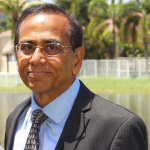 The Bengal-born writer Nazarul Islam is a senior educationist based in USA. He writes for Sindh Courier and the newspapers of Bangladesh, India and America. He is author of a recently published book ‘Chasing Hope’ – a compilation of his articles.