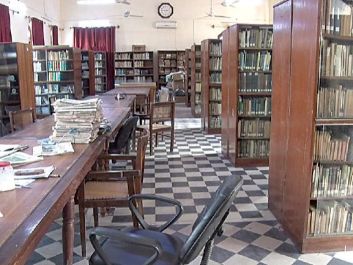
Despite their importance, libraries in Pakistan face a range of challenges that limit their impact
- Infrastructure deficits are widespread: many libraries operate in outdated or inadequate spaces with poor lighting, seating, and ventilation.
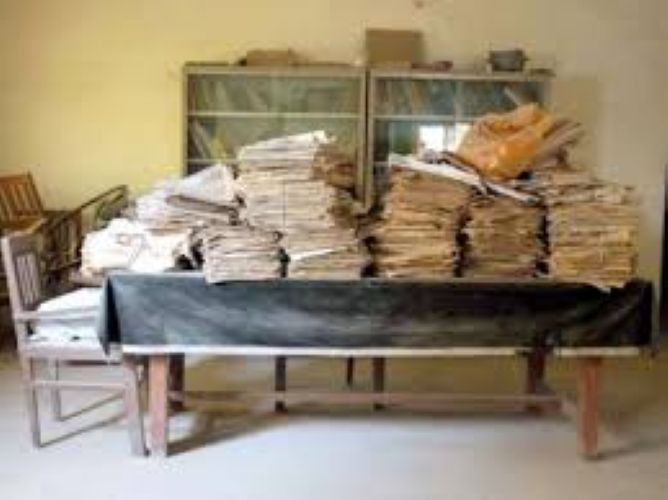
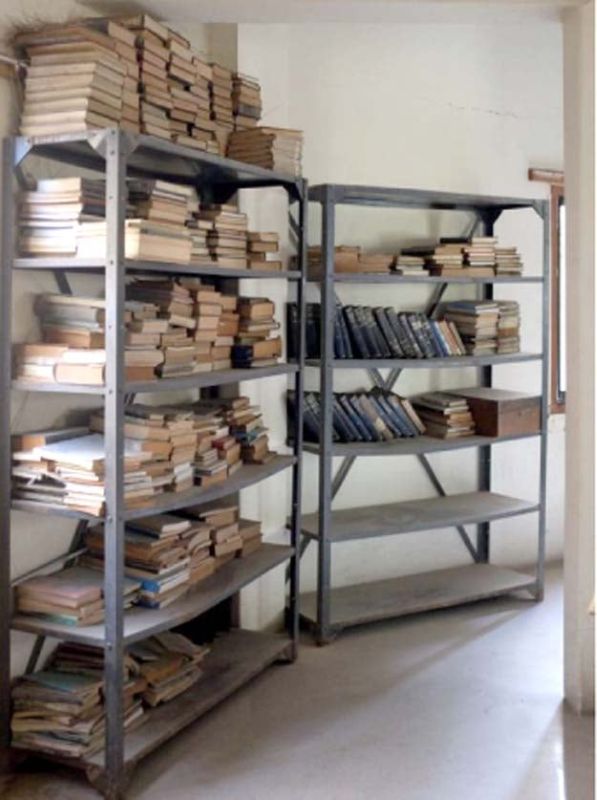
- Collections are often outdated, with limited access to contemporary books, journals, or digital content.
- The digital divide is stark; only a small number of libraries have computers, internet, or e-books, leaving students in many districts without essential tools for research and learning. Staffing is another concern.
- Many libraries lack trained librarians who can manage collections, guide students, and provide support for digital research
Ali Nawaz Rahimoo
Libraries have always been more than mere buildings filled with books. They are repositories of knowledge, incubators of creativity, and platforms that nurture curiosity, learning, and personal growth. Throughout history, libraries have played a critical role in human civilization. The earliest known libraries existed in ancient Mesopotamia around 2600 BCE, where clay tablets were stored, catalogued, and preserved. The Library of Alexandria, founded in the 3rd century BCE in Egypt, became legendary as a symbol of organized knowledge and intellectual ambition. However, the first public lending library in the modern sense was established much later, in Norwich, England, in 1608, making knowledge accessible to the general population. Today, the United States holds the distinction of having the highest number of libraries in the world, with more than 116,000 across public, academic, school, and special categories, highlighting the essential role libraries play in education, research, and community life.
 Pakistan, a country of over 240 million people, recognizes the importance of libraries as tools for learning, research, and personal development. While the country has several libraries at the national, provincial, and district levels, the distribution, infrastructure, and digital accessibility remain uneven. Major cities like Lahore, Karachi, and Islamabad house some well-equipped institutions, yet most districts lack fully functional libraries. Even in cities with libraries, access to digital resources, internet, and e-books is limited, restricting opportunities for youth to engage fully with modern learning tools. Libraries are far more than physical spaces housing books. They are centers of learning, innovation, and social interaction. In Pakistan, libraries serve multiple purposes beyond the simple lending of books. They provide students and researchers with critical resources, offer quiet and safe spaces for study, and increasingly serve as hubs for digital literacy and technology training. With the world rapidly moving toward a knowledge economy, access to reliable information and digital tools has become indispensable, particularly for young people. Libraries also foster community engagement. Storytelling sessions, reading clubs, workshops, and cultural events encourage participation, build social cohesion, and cultivate a habit of lifelong learning. They provide a venue where creativity, critical thinking, and collaboration can flourish. In rural and underdeveloped regions, where educational resources may be scarce, libraries often serve as the primary gateway to knowledge, bridging gaps between communities and modern educational opportunities. Pakistan’s library network reflects both the country’s potential and its challenges. Major urban areas tend to have better-equipped institutions, while rural districts are often underserved. A provincial overview highlights the disparities. In Punjab, approximately 1,200 libraries exist, including notable institutions like the Punjab Public Library and the Quaid-e-Azam Library in Lahore. While urban libraries offer some digital resources, many district-level libraries lack computers, internet connectivity, and updated collections. Initiatives such as youth reading clubs, digital literacy workshops, and research competitions are required to maximize their potential impact.
 Sindh houses around 900 libraries, with prominent centers such as Liaquat Memorial Library in Karachi and Sindh Provincial Library in Hyderabad. Digital access is largely confined to urban centers, leaving rural areas disconnected. Upgrading libraries with computers, internet access, and e-books could significantly enhance learning opportunities for students and young researchers. In Khyber Pakhtunkhwa (KP), roughly 450 libraries exist, including the Peshawar Public Library and university libraries. Most district libraries lack computers, online databases, and digital resources. Implementing youth programs, including coding clubs, library workshops, and storytelling initiatives, could help engage students while providing essential skills for the modern world. Balochistan, with around 200 libraries, faces serious challenges. Very few libraries have digital resources, and most districts have no internet access. Innovative solutions such as mobile library vans, online learning modules, and community-based literacy campaigns could help mitigate these deficits. The Islamabad Capital Territory (ICT) hosts about 50 libraries, including the National Library of Pakistan. While digital resources are available, access is often restricted to researchers and students. Expanding public access and establishing district-level digital hubs could allow broader participation and encourage youth engagement. Azad Jammu & Kashmir (AJK) has approximately 60 libraries, most with minimal digital facilities. Strengthening community reading programs, providing e-books, and offering digital literacy training would improve access for students and young learners. Gilgit-Baltistan (GB) has about 40 libraries with very limited infrastructure. Establishing internet-enabled centers, updating collections, and offering structured programs could enhance literacy, research, and youth development in this remote region.
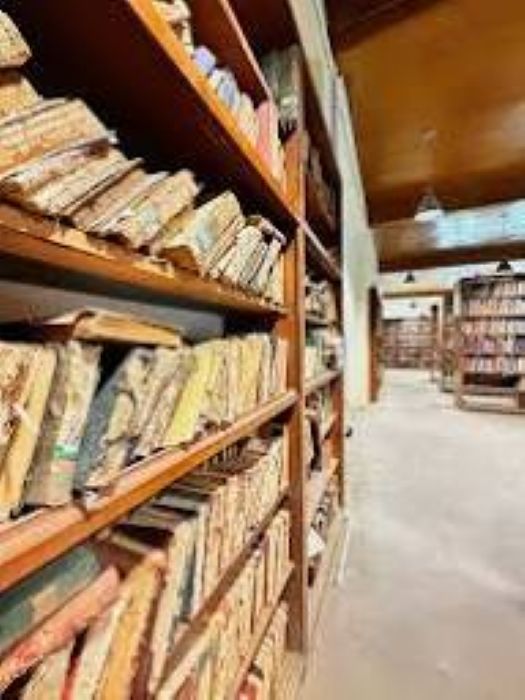 Despite their importance, libraries in Pakistan face a range of challenges that limit their impact. Infrastructure deficits are widespread: many libraries operate in outdated or inadequate spaces with poor lighting, seating, and ventilation. Collections are often outdated, with limited access to contemporary books, journals, or digital content. The digital divide is stark; only a small number of libraries have computers, internet, or e-books, leaving students in many districts without essential tools for research and learning. Staffing is another concern. Many libraries lack trained librarians who can manage collections, guide students, and provide support for digital research. Community engagement is limited as well, with libraries often underutilized due to a lack of programs, awareness, and youth-focused activities.
For young people, libraries are gateways to knowledge, creativity, and opportunity. Access to books, journals, and digital resources fosters critical thinking, enhances academic performance, and cultivates a habit of lifelong learning. Libraries provide safe and inclusive spaces where students can collaborate, conduct research, and engage in skill-building activities. In rural areas, libraries often represent the only opportunity for youth to access information, digital learning platforms, and online courses. Without such access, young Pakistanis risk falling behind in a rapidly evolving global knowledge economy. Libraries can equip them with research skills, digital literacy, and the ability to innovate, while instilling curiosity and empowering them to pursue academic and professional aspirations. Despite technological advancements, Pakistan has yet to implement district-level digital library facilities comprehensively. Several factors contribute to this gap limited budget allocation for education and ICT infrastructure, poor internet and electricity access in rural districts, and policy gaps that have not mandated universal digital library coverage. Additionally, there is a shortage of trained staff capable of managing digital systems and online resources, and a traditional focus on textbooks over ICT-enabled learning continues to dominate many regions. The establishment of digital libraries at district and community levels could transform education and learning for youth. Computers, internet access, and e-resources would allow students to participate in online courses, access global journals, and gain exposure to knowledge and skills critical for the modern workforce. Digital literacy programs could also help bridge the educational divide between urban and rural communities. Strengthening libraries in Pakistan requires a multifaceted approach. Investments in infrastructure are essential, including upgrading physical spaces, providing modern furniture, and ensuring proper lighting and ventilation. Expanding digital access through computers, internet, and e-books in district libraries is critical. Youth engagement programs are vital to maximize the utility of libraries. Reading clubs, coding workshops, research competitions, and mentorship initiatives can transform libraries into vibrant hubs of learning. Hiring and training professional librarians capable of managing both traditional and digital resources will ensure the sustainability and efficiency of these institutions. Community outreach and awareness campaigns are equally important to encourage library use, particularly in rural areas. Finally, a national strategy for district-level digital libraries, with consistent funding, monitoring, and policy support, can create a robust and equitable library system across Pakistan.
Libraries are more than just buildings with books they are pillars of education, innovation, and social development. In Pakistan, they have the potential to bridge educational gaps, empower youth, and prepare citizens for the challenges of the 21st century. However, without investment, policy support, and digital integration, much of this potential remains untapped. Every district in Pakistan should have at least one modern library equipped with digital resources, trained staff, and youth-oriented programs. Such institutions can transform lives, cultivate skills, and ensure that knowledge is accessible to all. By investing in libraries, Pakistan invests in its youth, its future, and its ability to thrive in a global knowledge economy. Knowledge is a bridge to opportunity, and libraries are the gateways that make that bridge possible. Strengthening them is not just a policy choice it is a national imperative.
Read: Pakistan: Plastic Waste Management Crisis
______________
 Ali Nawaz Rahimoo, based in Umerkot, Sindh is a social development professional. He can be contacted on anrahimoo@gmail.com