Social Bonding, Cultural Identity, and the Warm Tradition of Gathering
- Among the most beautiful and vibrant traditions of Sindhi society is the ‘Sindhi Kachehri.’ It is not merely the act of sitting together; rather, it is a living expression of emotions, friendship, and closeness
By Abdullah Usman Morai | Sweden
“Where are you, friend, jani, pyara, etc.? Let me know if today we have a kachehri gathering.”
“Yes, of course, so where shall we sit today?”
“Fine, then let’s meet tonight after dinner, see you there.”
These are the kinds of sentences that echo in almost every Sindhi household, especially in the evenings, and they carry such warmth and joy that words alone cannot fully capture their essence.
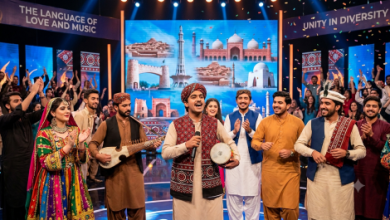
Among the most beautiful and vibrant traditions of Sindhi society is the ‘Sindhi Kachehri.’ It is not merely the act of sitting together; rather, it is a living expression of emotions, friendship, closeness, conversation, and collective consciousness that has remained a part of Sindhi life for centuries. In these gatherings, friends, relatives, neighbors, classmates, colleagues, teachers, and students all come together, creating a bridge of dialogue between generations.
 Diversity of Topics and Shared Understanding
There are no limits to the topics discussed in a typical Sindhi kachehri. From everyday happenings to politics, social issues, economic conditions, and cultural traditions, conversations flow freely and openly.
Discussions about children’s education, challenges of employment, memories, humorous stories, jokes, and at times even intense but honest debates become part of this gathering. It is an informal social forum where people not only speak but also listen patiently to one another, allowing a process of shared learning to continue in a pleasant, respectful environment.
The Warmth of Winter “Mach Kachehri” and Jaggery Tea
In winter, the colors of kachehri take on a unique and soulful charm. When the night breeze turns cool, and the sky fills with stars, people gather around a glowing fire in courtyards, villages, and otaqs. It is not merely an attempt to keep warm; it becomes a “Mach Kachehri”, the bonfire.
In this atmosphere, a cup of tea sweetened with jaggery held in the hands, wooden benches and floor mats like Sindhi rallies spread beneath, the scent of mud walls all combine to create a serene and comforting environment.
Sometimes silence descends as a fond memory of an old friend returns, and at other times, a playful joke fills the air with shared laughter. This social warmth creates gentle waves of affection within hearts.
Summer Gatherings: The Sweetness of Sugarcane and Mangoes
In summer, the style of kachehri changes, but the love and vibe remain the same. Gatherings continue with Suleimani tea (Tea without milk), chilled drinks, or just normal milk tea.
In recent years, during sugarcane season, “Sugarcane Parties,” and during mango season, “Mango Parties,” have become a new and joyful expression of kachehri tradition. People sit together, taste different kinds of mangoes or chew fresh sugarcane sticks, drink freshly extracted juice, and continue their conversations in the same cheerful spirit.
These gatherings are not limited to food and drink, but they become a beautiful source of shared memories.
From Otaqs to Modern Cities: The Evolution of Kachehri
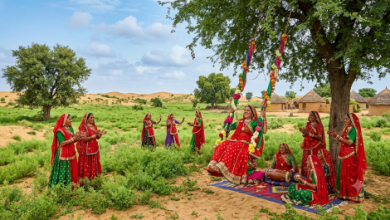
Historically, the heart of Sindhi kachehri has always been the “Otaq,” where mud walls, Khatoon, Sindhi rallies, and moonlight nights express cultural grace.
Yet in today’s modern era, apartments, drawing rooms, cafés, restaurants, and hotels in cities have also become centers of kachehri. Although lifestyles and environments have changed, the spirit of kachehri remains the same: coming together, listening, and understanding one another’s feelings.
The Longing of the Sindhi Diaspora
Sindhis living abroad miss this tradition deeply. Whether in Europe, America, or the Middle East, when they remember their homeland, the first image that rises in their minds is that of “Kachehri.”
Many families travel back to Sindh, especially in winter, simply to have the chance to sit in a Mach Kachehri. Where space is limited, Sindhi friends recreate the environment in their apartments or small parks, keeping their identity and emotional connection alive.
What Does Kachehri Teach Us? A Return to Social Values
Sindhi kachehri is not just a way to pass the time; it is a form of social learning. Through it, the experience of elders reaches the younger generation, creating a bridge between generations.
Alongside this, bonds of friendship and brotherhood grow stronger. Collective thinking develops around social issues, and people strive to find shared solutions. Literature, poetry, humor, and ancient traditions remain alive, which we may rightfully call cultural preservation.
Kachehri Is the Lifeline of the Sindhi Soul
Sindhi kachehri is the life of the Sindhi spirit. The love, closeness, sincerity, and simplicity found within it represent our identity.
In a world that is becoming fast-paced, where people are lost in digital busyness, Sindhi kachehri gently reminds us that the real beauty of life lies in sitting together, sharing laughter, and gathering warmly with one another.
Read: Hotels Where Tyres Rest, Insects Thrive
_________________
 Abdullah Soomro, penname Abdullah Usman Morai, hailing from Moro town of Sindh, province of Pakistan, is based in Stockholm Sweden. Currently he is working as Groundwater Engineer in Stockholm Sweden. He did BE (Agriculture) from Sindh Agriculture University Tando Jam and MSc water systems technology from KTH Stockholm Sweden as well as MSc Management from Stockholm University. Beside this he also did masters in journalism and economics from Shah Abdul Latif University Khairpur Mirs, Sindh. He is author of a travelogue book named ‘Musafatoon’. His second book is in process. He writes articles from time to time. A frequent traveler, he also does podcast on YouTube with channel name: VASJE Podcast.