

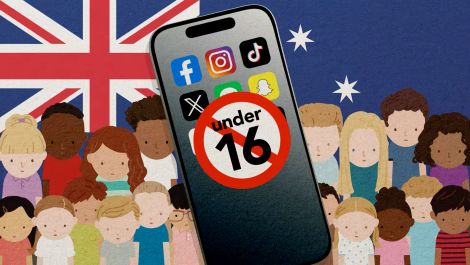
In a landmark move, Australia has become the first country in the world to impose a nationwide ban on social media use for children under 16
Prof Dr. Abdullah Arijo
Overuse of social media among Pakistani children is becoming a serious concern. Excessive screen time can negatively impact their physical health, leading to poor eyesight, disturbed sleep, and reduced outdoor activity. Psychologically, constant exposure to online content fosters anxiety, low self-esteem, and addiction-like behavior. Academic performance also suffers as children spend more time scrolling through their devices than studying. Moreover, cultural values and family interactions are weakened when digital engagement replaces real-life bonding. Parents and educators must encourage balanced use, promote healthy alternatives like sports and reading, and create awareness about responsible digital habits to safeguard children’s well-being and future development.
Social media is no longer just a parenting concern. Governments worldwide now see it as a public safety and mental health issue.
From Australia banning social media for children under 16 to other countries preparing similar laws, a global shift is underway. Research linking screen time to anxiety, addiction, and learning loss is forcing states to act.
In a landmark move, Australia has become the first country in the world to impose a nationwide ban on social media use for children under 16. The law, which takes effect on December 10, 2025, requires platforms including TikTok, Instagram, Facebook, YouTube, Snapchat, and Reddit to block accounts belonging to underage users. Companies failing to comply face fines of up to A$49.5 million (USD 33 million).
The decision follows years of debate and mounting evidence linking heavy social media use among teenagers to declining mental health and well-being. Research revealed troubling trends: falling life satisfaction, rising cases of anxiety and depression, and increased exposure to cyberbullying and harmful content.
Prime Minister Anthony Albanese described the ban as a measure to “ease the pressure that comes from endless feeds and algorithms” and to encourage children to focus on healthier activities.
Why Restrictions Were Needed
The Australian government acted after studies highlighted the risks posed by unregulated social media use among children:
- Addiction risks: Platforms are designed to maximise engagement, keeping children glued to screens.
- Mental health crisis: Prolonged use has been linked to anxiety, loneliness, and poor sleep.
- Exposure to harmful content: Violence, pornography, and misinformation are easily accessible.
- Cyberbullying and peer pressure: Online harassment has become a major source of stress for school-aged children.
By banning social media for children under 16, Australia aims to protect young minds during critical developmental years.
Pakistan’s Challenge
With over 60 per cent of its population under the age of 30, Pakistan faces even greater risks from unchecked social media use. Unlike Australia, Pakistan lacks strong regulatory frameworks to protect children online. The following issues highlight the urgency of action:
- Mental Health Concerns
Rising cases of depression and anxiety among Pakistani teenagers are often linked to social media pressures. The culture of comparison beauty standards, wealth displays, and lifestyle posts creates low self-esteem among youth.
- Cyberbullying and Harassment
Pakistani children are highly vulnerable to online harassment, with limited legal recourse. Girls, in particular, face gender-based abuse and exploitation online.
- Exposure to Harmful Content
Extremist propaganda, fake news, and explicit material circulate freely. Children lack the maturity to critically evaluate such content, making them easy targets for manipulation.
- Academic Distraction
Excessive screen time reduces focus on studies, contributing to poor academic performance. Addiction to short-form videos undermines reading habits and concentration.
- Digital Divide and Parental Awareness
Many parents remain unaware of online risks and lack the tools to monitor their children’s digital activity. Without guidance, children navigate unsafe online spaces alone.
What Pakistan Can Learn from Australia
Pakistan does not need to replicate Australia’s model wholesale but can adapt it to local realities. Key steps include:
Australia’s Approach vs. Adaptation for Pakistan
- Ban under-16s from social media
→ In Pakistan, this could be adapted into phased restrictions, such as banning children under 13 entirely, while introducing stricter monitoring and parental oversight for those aged 13–16.
- Heavy fines for platforms
→ Instead of direct fines, Pakistan could collaborate with social media platforms to enforce robust age verification systems, ensuring compliance without immediate punitive measures.
- Focus on mental health.
→ Pakistan can launch awareness campaigns in schools and communities to highlight the psychological risks of excessive social media use and promote healthier online habits.
- National legislation
→ A localized approach would involve developing child online safety laws in collaboration with the Pakistan Telecommunication Authority (PTA) and the Ministry of IT, ensuring legal backing for protective measures.
- Parental involvement
→ Pakistan should prioritize digital literacy training for parents, equipping them with the skills to guide and monitor their children’s online activities effectively.
Recommendations for Pakistan
- Pass the Child Online Safety Act to regulate age-based access.
- Introduce age verification systems in collaboration with platforms.
- Launch school programs on digital literacy and mental health awareness.
- Train parents to monitor and guide children’s online use.
- Conduct nationwide research on the impact of social media on Pakistani youth.
- Promote alternative activities such as sports, reading, and cultural programs to reduce reliance on digital entertainment.
Australia’s ban on social media for children under 16 is a world-first experiment in protecting youth from digital harms. While controversial, it reflects a growing global concern about the impact of social media on mental health and development. For Pakistan, where children face even greater risks due to weaker regulations and parental awareness, adopting similar measures is not just desirable; it is urgent. A balanced approach combining legislation, education, and parental involvement could help safeguard future generations from the hidden dangers of the digital age.
Read: Excessive Phone Use Hampers Education
________________
 Abdullah Arijo is a professor and curriculum architect at Sindh Agriculture University, Tandojam, specializing in Parasitology, fisheries, aquaculture, zoology, and environmental sciences. He is also a civic advocate for climate resilience and sustainable development.





The Supportive/Appreciative Approach
Best if you agree with the professor and want to highlight the urgency of the issue in Pakistan.
”An excellent and timely analysis by Dr. Abdullah Arijo. The comparison with Australia’s recent legislation is very relevant; while Pakistan has a different digital landscape, the psychological and academic risks to our youth are universal. I particularly agree with the recommendation for ‘Digital Literacy for Parents.’ Laws can only do so much if the home environment doesn’t support healthy boundaries. Thank you for raising your voice on such a critical issue for our future generations.
This could a great initiative becausr banning social media for teenagers under 16 will have a lot of positie impact on their physical and mental health as they will save a lot of their precious time.
Not ban just restricted with strong rules and regulation
Wonderful publication. No doubt the Australians being a developed country has taken a rational decision in time to safeguard their society as a whole and their upcoming generations in particular. The developing countries like Pakistan where social assessment and analytical capabilities/ facilities are so rudimentary merely to nil level needs more proactive measures. The situation worsens in these countries when we don’t find anything reliable for gauging precisely the ill effects of this menace or to have any system for pausing, reversing or rectifying it’s grievous damage. It would be optimistic rather unrealistic to expect similar reformatory action by our governments however we may feel lucky if this article may even sensitise them to follow a technologically advanced nation. Nice job Professor Arejo Sahib