


Desert Regions of Sindh Grapple with Alarming Rates of Mental Illness
- Only a coordinated, well-funded strategy can break the cycle of deprivation and distress, offering hope that the desert’s horizon might one day symbolize resilience instead of struggle.
By Ali Nawaz Rahimoo
The desert region of Sindh Province in Pakistan is divided into two major arid zones the Thar and the Nara deserts. These collectively form the eastern extension of the vast Thar Desert shared with India, stretching approximately 300- 350 kilometers from south to north. The region shares an ecological and geographical continuum with the adjacent Indian deserts of Rajasthan, particularly the districts of Jaisalmer and Barmer (including areas of Ahmedabad). Within Pakistan, the Thar Desert portion of Sindh spans approximately 20,000 square kilometers, covering Tharparkar, eastern Umerkot, and parts of Sanghar District (notably the Khipro Taluka). The Nara Desert, located in the northeastern region of Sindh, extends over an estimated 23,000 square kilometers, primarily including Khairpur District, additional parts of Sanghar, and peripheral arid zones of Sukkur (such as Saleh pat). Cumulatively, the desert belt of Sindh spans around 43,000 square kilometers, forming a continuous and ecologically sensitive arid landscape along the Sindh–India border. These zones are not only geographically significant but also represent critical areas for targeted development, health, and humanitarian outreach interventions due to their harsh climate and socio-economic challenges.
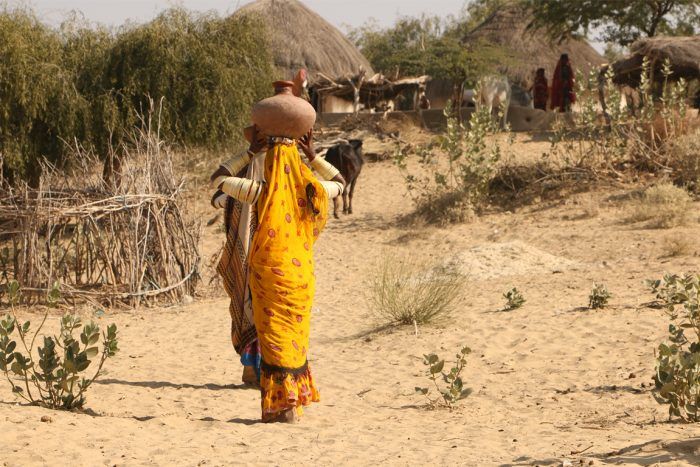 According to the 2023 national census, the combined population of Sindh’s key desert districts Tharparkar, Umerkot, Sanghar, and Khairpur is approximately 7.84 million, although the portion living within the actual Thar–Nara desert zones is expected to be moderately lower based on localized desert coverage. As of the latest available data from the 2023 Pakistan Bureau of Statistics and district profiles, the total population of the desert districts in Sindh province including Tharparkar (1.65 million), Umerkot (1.15 million), Khairpur (2.4 million), Sanghar (2.1 million), people, a significant portion of whom reside in semi-arid to arid zones. The annual population growth rate in these districts ranges between 1.8% and 2.4%, which is slightly below the national average in urbanized zones but consistent with rural demographic trends. Conversely, mortality rates, particularly infant and maternal mortality, remain relatively high in the desert belt due to limited healthcare access, water scarcity, and undernutrition. For instance, Tharparkar and Umerkot have among the highest child mortality rates in Sindh, exacerbated by recurring drought and poverty. Despite high mortality in some areas, the net population is increasing, driven by high fertility rates, low urban migration, and extended family structures common in desert communities. This growing population puts increased pressure on the region’s fragile resources, necessitating focused public health, education, and nutrition interventions.
However, the desert belt faces severe economic challenges including low per capita income, poor infrastructure, limited industrial development, and high climate vulnerability. Due to frequent droughts, water scarcity, and limited access to markets, the livelihoods in Tharparkar, Umerkot, and eastern Sanghar remain highly insecure. The average household income is significantly below the national poverty line, with poverty incidence above 50% in Tharparkar and adjacent areas, as noted in the UNDP Human Development Report 2021. Moreover, the lack of economic diversification and mechanized agriculture, coupled with insufficient investment in education, health, and road infrastructure, exacerbates inequality and restricts growth. The average GDP contribution of the desert districts remains low, primarily driven by agriculture and livestock with minimal value addition or processing. The vast, sun-scorched expanse of Sindh’s desert belt hides an unspoken crisis. Beneath the visible hardships of drought, poverty, and isolation lies an invisible yet equally devastating struggle the high prevalence of mental illnesses. In the districts of Tharparkar, Umerkot, Sanghar, and Khairpur, more than one-third of the population over 34 per cent is estimated to be living with mental health disorders, with depression and anxiety topping the list. The figures, compiled by the Sindh Mental Health Authority (SMHA) through screenings and medical camps, highlight a disturbing reality: this mental health emergency is intertwined with the region’s social, economic, and environmental challenges.
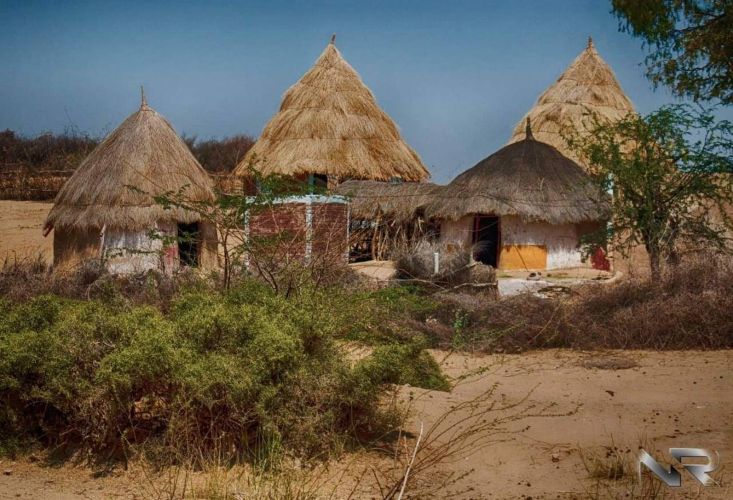 Between 2022 and 2025, the Sindh Mental Health Authority (SMHA) organized the One-Day Psychiatric Clinic Outreach Initiative in the desert belt districts of Tharparkar, Umerkot, Sanghar, and Khairpur. These geographicaly isolated areas part of the Achro Thar, Nara, and Thar desert zones are marked by extreme ecological fragility, poverty, and severely limited healthcare access. Deep rooted sociocultural restrictions, particularly affecting women and girls, further compound mental health vulnerabilities. The initiative, delivered in partnership with leading psychiatric institutions, civil society actors, and local administration, provided free consultations to 4,570 patients (2,480 male, 2,090 female). Clinical data revealed depression (34.7%) as the most prevalent morbidity, followed by anxiety disorders (11.3%), intellectual disability (11.9%), epilepsy (9.02%), and somatoform/conversion disorders (8.61%). Significant district-level variations were observed: Tharparkar and Umerkot showed a higher burden of depression, while Sanghar and Khairpur recorded greater prevalence of anxiety disorders. Field evidence confirmed strong links between psychiatric morbidity and structural determinants such as early and forced marriage, gender-based violence (GBV), and exclusion from education and economic opportunity. According to UNFPA (2021), 18% of Pakistani women aged 20–24 were married before 18, with rural Sindh, including Tharparkar and Umerkot among the highest prevalence zones. UN Women (2021) reports that 24% of ever married Pakistani women have experienced physical or sexual spousal violence, with likely underreporting in desert districts due to stigma and weak institutional support. Educational deprivation is severe:
UNESCO/Pakistan Institute of Education (2023) found over 52% of Sindh’s girls aged 5–16 are out of school, with Tharparkar’s female literacy at just 23%. SMHA’s own suicide mapping (2016–2020) recorded 79 suicides in Tharparkar 48 of them female alongside high rates in Umerkot (64) and Sanghar (66), underscoring a gendered mental health crisis. Adolescent girls were found particularly at risk for depression, trauma, and suicidal ideation, while men often presented with psychosomatic illness and substance use disorders linked to economic hardship.
Life in the Arid Belt
For residents of these scattered villages, survival is a daily test. The searing heat, barren fields, and unpredictable rainfall dictate the rhythm of life. Access to clean water, sufficient food, and a steady income is a year-round struggle. These pressures weigh heavily on the mind, creating fertile ground for psychological distress.
SMHA’s findings link the region’s high rates of depression and anxiety to persistent poverty, water scarcity, and recurring drought. Between 2016 and 2020, the desert districts reported alarming suicide figures 79 cases in Tharparkar, 64 in Umerkot, and 66 in Sanghar.
Economic and Environmental Strain
The desert belt faces multiple, overlapping challenges:
- High poverty rates: More than 50 per cent of households in Tharparkar and surrounding areas live below the poverty line (UNDP, 2021).
- Underdeveloped infrastructure: Poor road connectivity, limited industrial growth, and weak access to markets restrict economic opportunities.
- Climate vulnerability: Recurring droughts and water shortages disrupt agriculture and livestock, the main sources of livelihood.
These conditions, coupled with low literacy rates, leave communities with limited avenues for improving their living standards.
Mental Health — the Neglected Frontline
Healthcare services, especially mental health care, remain sparse. Inaccessible villages, extreme weather, and chronic food insecurity all contribute to poor health outcomes. Mental health, in particular, suffers from:
- Acute shortage of psychiatrists, psychologists, and mental health facilities.
- Deep-seated cultural stigma around seeking help.
- Limited public awareness and underreporting of symptoms.
Population and Prevalence
According to the 2023 census, Tharparkar, Umerkot, Sanghar, and Khairpur together have a population of about 7.84 million. Including Ghotki and Sukkur, the wider desert belt exceeds 10.4 million people, most of them living in arid or semi-arid conditions.
From 2022 to 2025, field surveys and community screenings confirmed widespread depression and anxiety, particularly among women and girls affected by poverty, gender-based violence, and early or forced marriages. Among young men, unemployment has fueled an increase in drug dependency. Psychosomatic complaints insomnia, fatigue, chronic headaches, and body pain are common but often dismissed as physical ailments rather than signs of mental distress. Suicide rates are highest in areas hit hardest by crop failures, water shortages, and intergenerational poverty.
District-Wise Data : Recent field interviews, community health screening drives, and participatory consultations carried out between 2022 and 2025 in remote desert areas highlight a high prevalence of common mental disorders (CMDs) such as depression and anxiety, particularly among women and adolescent girls who face multidimensional stressors like poverty, gender-based discrimination, and early or forced marriages. Substance abuse among young men is increasingly used as a coping mechanism for economic hardships and unemployment. Psychosomatic symptoms such as sleep disturbances, fatigue, headaches, and chronic pain are frequently reported but rarely connected to mental health morbidities. Furthermore, alarming rates of suicide and self-harm have been recorded in areas with high water scarcity, crop failure, low milking and meat in kettles and intergenerational poverty.
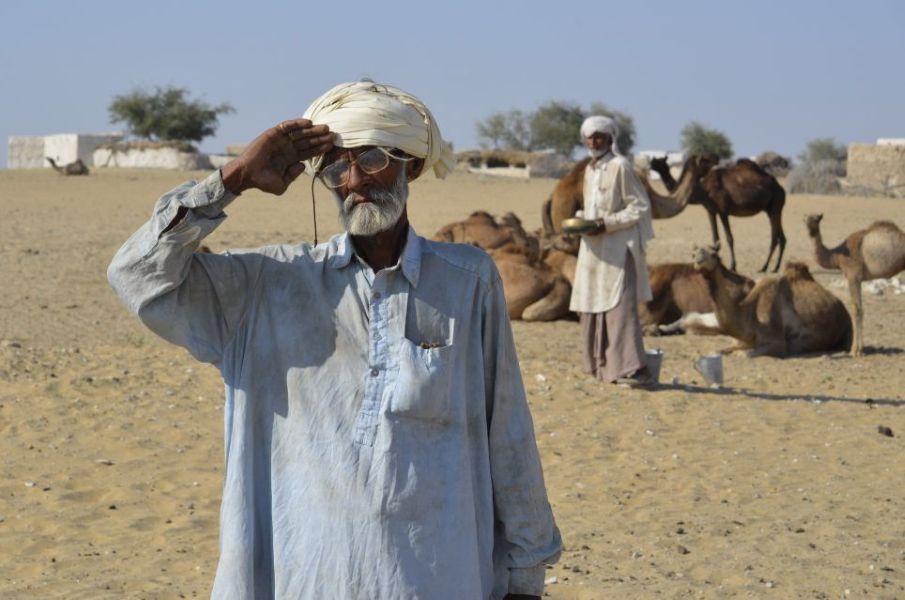 This field evidence is supported by national and international data. According to the WHO’s Mental Health Atlas (2020), Pakistan spends less than 1% of its health budget on mental health, with fewer than 0.5 psychiatrists per 100,000 people. The Pakistan National Mental Health Survey (2018) found that 24% of Pakistanis suffer from mental illness, with rural and underserved populations facing higher levels of stress and anxiety. The Sindh Mental Health Authority (SMHA), under its 2022–2025 strategic action, has specifically identified Tharparkar and Umerkot as high-priority districts requiring immediate mental health interventions. Given the constraints of fixed health facilities and the absence of mental health professionals in desert regions, outreach mental health services emerge as a pragmatic, evidence-based solution. This model includes mobile psychiatric units, community-based psychosocial workers, mental health screening, and tele-psychiatry to bring care directly to remote households. Outreach ensures early detection and diagnosis through field level screening by Lady Health Workers (LHWs) and Community Resource Persons (CRPs), helps dismantle stigma by facilitating mental health conversations at the community level, and bridges the referral gap by linking individuals to secondary and tertiary care through strategic partnerships. These services are especially critical in reaching vulnerable groups, such as women and adolescent girls who remain isolated due to cultural restrictions. Moreover, outreach models empower communities through awareness sessions, culture ly adapted mental well-being campaigns, and peer support mechanisms in local languages
During the latest reporting period, 4,570 people received treatment for mental health conditions:
- Tharparkar: 1,507 males, 1,408 females.
- Umerkot: 491 males, 309 females.
- Sanghar: 196 males, 185 females.
- Khairpur: 287 males, 187 females.
Prevalence patterns vary:
- Tharparkar: Depression (33%), intellectual disability (14.4%), epilepsy (11.2%), anxiety (6.4%).
- Umerkot: Depression (48.5%), epilepsy (10.7%), anxiety (7.3%).
- Sanghar: Anxiety (32.81%), depression (29.4%), neurological illness (13.91%).
- Khairpur: Anxiety (31.22%), depression (25.95%), neurological illness (13.92%).
Beyond Treatment Tackling the Roots
Mental illness in Sindh’s desert belt is as much a symptom of systemic deprivation as it is a health condition. Experts stress that treatment must go hand in hand with structural reforms. In the sun-scorched deserts of Sindh, where survival itself can feel like a daily battle, the road to healing both mental and physical requires more than sympathy; it demands action. Experts and community voices agree on a clear set of priorities. Mental health services must come to the people, not the other way around. Mobile clinics, permanent care centers, and affordable, culturally sensitive treatment can help break the silence surrounding psychological struggles.
Livelihoods need strengthening. With droughts now a recurring reality, promoting drought-resistant crops, improving livestock development, and offering vocational training in non-farm trades could provide families with a more stable income and a sense of security.
Women and youth must be empowered. Enforcing laws against early marriage, expanding access to quality education, and supporting women-led cooperatives can unlock the potential of those who have too often been sidelined.
Substance abuse must be tackled head-on. Targeted prevention programs, rehabilitation services, and skills training for young people can replace cycles of addiction with pathways to opportunity. Finally, climate-resilient infrastructure must be built from water storage facilities and rainwater harvesting systems to sustainable irrigation networks so that communities are not left defenseless against the next drought. These are not abstract ideals; they are the practical steps needed to help Sindh’s desert communities move from mere survival to sustainable well-being.
The Way Forward
Awareness campaigns from school programs to radio broadcasts in local languages are crucial in dismantling stigma and encouraging early intervention. But without addressing poverty, climate stress, and gender inequality, the mental health crisis will persist. Only a coordinated, well-funded strategy can break the cycle of deprivation and distress, offering hope that the desert’s horizon might one day symbolize resilience instead of struggle. Until then, the people of Sindh’s arid lands will continue to fight not only for survival beneath the scorching sun, but for peace of mind in an unforgiving landscape.
Read: The Mystifying Rise of Suicide in Pakistan’s Thar Desert
_____________________
 Ali Nawaz Rahimoo, based in Umerkot, Sindh is a social development professional. He can be contacted on anrahimoo@gmail.com


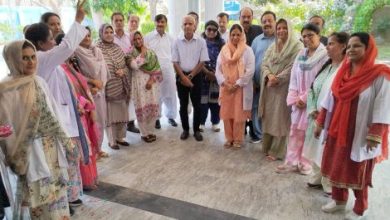
Mostly women health related cases are not reported. I worked with different programs. Really thar desert needs holistic approach to met the the basis needs of the areas.