The new variant of Corona is spreading rapidly in countries including the USA, Japan, China and 22 other countries.
Dr. Kanwal Rai
What we know about the new ‘cicada’ COVID-19 variant?
Public health sector and huge numbers of the health scientists are keeping an eye on a new COVID variant following a steady increase in cases in the U.S and some other countries.
The new variant of Corona is spreading rapidly in countries including the USA, Japan, China and 22 other countries.
Why the new COVID variant is called Cicada?
It’s the subvariant of Omicron, BA.3.2, nicknamed Cicada, first started infecting people in South Africa in Nov 2024, according to the U.S. Centers for Disease Control and Prevention (CDC).
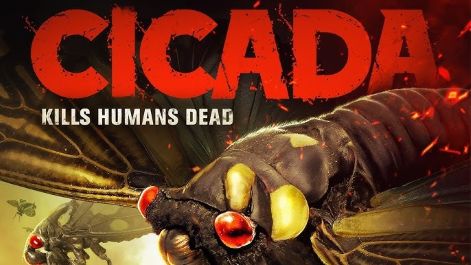
Why was it named a Cicada? Because it is a type of beetle, a type of insect that lies in the ground for a long time, but suddenly it comes out of the ground in large numbers, same condition in this type of the virus, it was found in South Africa in Nov 2024 but didn’t have much impact on that time. But it has suddenly appeared with a fatal mutation and has failed in 22plus countries.
And you know how dangerous this virus is.
Scientists have found 30 to 70+ new mutations in the spike protein of this virus.
This is called antigenic drift in genetic language. It changes itself so quickly. The Immunity doesn’t know that the type of disease and scientists are saying that its adhesion power is 40 times greater than other variants. That means the infection can spread in a very short time.
We don’t know when it will come to our country and we will have to impose a lockdown.
Does the Current Vaccine Protect Against the Cicada Variant?
“Some cases, the current vaccine offers significant protection against serious illness from some currently circulating Cicada strains.
Cicada virus is belonging to the Omicron family of COVID viruses, updated vaccines that target Omicron’s dominant strains, such as JN.1 are still effective in fighting BA.3.2. However, they may provide less protection given the changes in the virus.
This variant has many mutations that may allow it to spread, but symptoms remain similar to COVID strains, including cough, fever, fatigue, sore throat and congestion,” says Dr. Raj Dasgupta, MD, a chief medical advisor for Sleep polis. “While variants may change over time, the core pattern of respiratory symptoms generally stays consistent.”
To be clear, getting the COVID vaccine doesn’t mean you are 100% protected from infection.
Protection isn’t perfect against every mutation, but data show that updated vaccines still reduce hospitalizations and serious outcomes compared with no vaccination.
Dr. Nachman tells Parade that the current vaccine may not protect against variants that will circulate down the road. But for now, your best bet is to ensure you’re up-to-date on your COVID-19 vaccines, which are providing rarely protection from current cicada strains.
What are the symptoms of new Cicada Variant?
The symptoms aren’t different from those of previous COVID variants: sore throat, fever or chills, headache, cough, body aches, and runny nose. They are similar to symptoms of the flu, so the best way to know if you have COVID is to test yourself.
Do COVID tests still work on Cicada?
It’s still a bit of a question mark, Schaffner says; the data aren’t yet available. But some experts say that since these tests look for parts of the virus that change less easily, they should still be able to detect Cicada.
Does Cicada cause worse disease than previous variants?
It’s not clear yet whether cicada’s mutations are causing worse covid disease compared to previous variants, or whether it will become a dominant strain if it’s able to evade the human immune system. Doctors will need to study more cases to know for sure.
 Protection and improvement of health
To save ourselves from new variants of Cicada, take some small steps:
Avoid to go to crowded areas or away from the crushed district.
Sanitization is must, (hands and body)
Wear mask.
Some special advice to work on immunity, that means eating fruit, vitamins C supplements, Zink supplements etc.
Read: How a COVID lockdown changed bird behavior
________________________
 Kanwal Rai, Doctor of veterinary medicine, is MPhil Scholar. He is doing MPhil in veterinary Parasitology at Sindh Agriculture University Tandojam