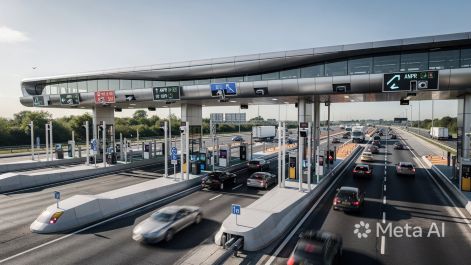
The future of highways is not simply about building roads. It is about building intelligent systems that move people, support economies and protect the environment at the same time.
By: Ramesh Raja
Highways today are no longer just physical corridors of asphalt connecting cities and towns. They have evolved into complex intelligent systems that combine engineering, data, energy and communication into one integrated network. Across the world, transportation is being reshaped by rapid urban growth, rising traffic pressure, climate change and the shift toward electric and autonomous mobility.
Countries in Europe, North America and parts of Asia are already treating highways as living infrastructure. These systems sense, respond and adapt in real time. For developing countries, this global shift is no longer a distant trend. It is a practical direction that will define economic competitiveness and urban livability in the coming decades.
 The Global Shift toward Smart and Connected Highways
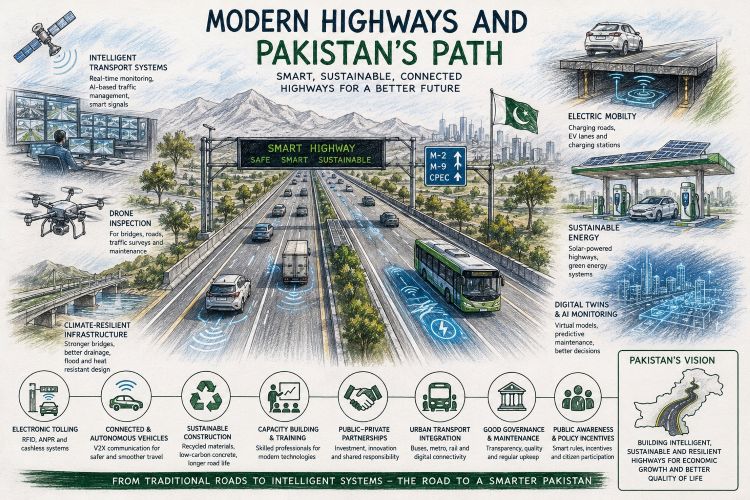
Modern highway systems are increasingly driven by intelligent transport technologies. Roads are now equipped with sensors, cameras and communication systems that continuously collect and process traffic data. Artificial intelligence helps interpret this data to manage congestion, detect accidents and improve safety.
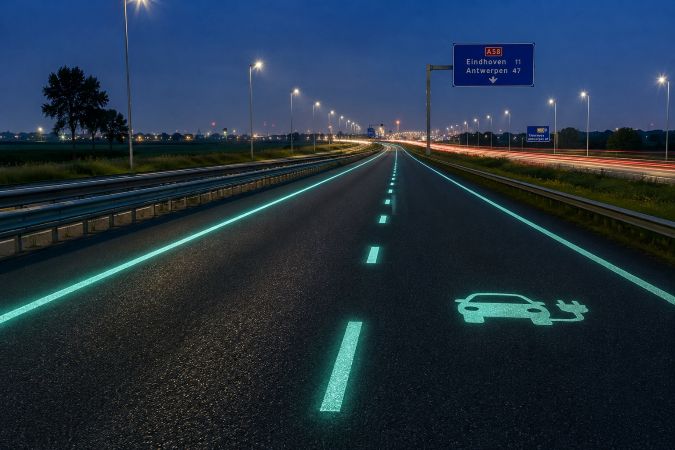
In countries such as the United Kingdom, intelligent motorway systems regulate traffic through dynamic speed limits and digital signage that adjusts to real-time conditions. In the Netherlands, road safety innovations include weather-responsive markings and advanced traffic control systems that improve visibility and reduce risk during extreme conditions.
These developments show a clear shift from static infrastructure to adaptive networks that actively manage mobility.
Wireless Energy and the Rise of Electric Mobility
The rapid expansion of electric vehicles has created demand for highways that can support continuous charging. One of the most advanced ideas in this field is dynamic wireless charging, where vehicles receive power directly from the road while moving.
France has already taken early steps by testing operational electric road sections, while Germany, Sweden and the United States continue pilot projects for buses and freight corridors. Although the technology is still expensive, it represents a long-term solution for reducing dependence on large batteries and minimizing charging delays.
This shift is not only about vehicles. It requires highways to become part of the energy ecosystem itself.
 Digital Twins and Artificial Intelligence in Highway Management
One of the most transformative innovations in infrastructure management is the concept of digital twins. A digital twin is a virtual replica of a physical highway system that is continuously updated through real-time data.
Countries such as the United Kingdom and Australia are already using this approach to monitor bridge conditions, forecast traffic behavior and plan maintenance before failures occur. When combined with artificial intelligence, these systems can detect road damage early, predict congestion patterns and improve decision-making at a strategic level.
This approach reduces costs, improves safety and shifts maintenance from reactive to preventive planning.
Autonomous Transport and Smart Road Communication
The future of highways is closely linked with autonomous and connected vehicles. Modern road systems are being designed with Vehicle-to-Everything communication that allows vehicles to interact with infrastructure, traffic signals and other vehicles.
Countries such as China, Japan and the United States are testing smart corridors where road sensors and communication units guide vehicle movement, reduce collision risks and improve emergency response times. Over time, dedicated lanes for autonomous vehicles are expected to become common on major expressways.
 Sustainable and Climate-Resilient Infrastructure
Environmental sustainability has become a central requirement in modern highway development. Engineers are now focusing on recycled materials, low-carbon concrete, energy-efficient lighting and renewable energy integration along road networks.
Some countries are experimenting with solar-powered road infrastructure and green barriers that reduce noise and improve air quality. At the same time, climate resilience has become essential. Flood-resistant designs, heat-tolerant materials and advanced drainage systems are being introduced to protect highways from extreme weather conditions.
These innovations ensure that highways remain functional, safe and durable under changing environmental pressures.
Emerging Role of Drones and Automated Monitoring
Traditional highway inspection methods are gradually being replaced by drone-based systems. Equipped with high-resolution cameras and sensing technologies, drones can inspect bridges, monitor construction progress and assess road conditions more efficiently and safely.
Countries such as the United States and Canada are actively using drone technology to reduce inspection time, improve accuracy and minimize risks for engineers working in difficult environments. This marks a shift toward automation in infrastructure maintenance.
 Pakistan’s Path to Modern Highway Innovation
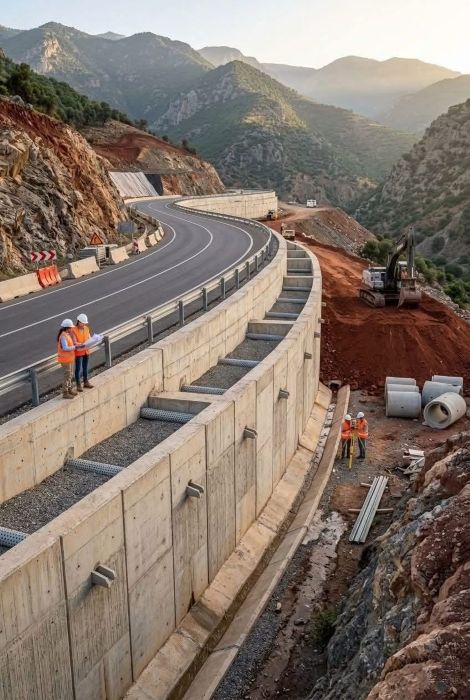
Pakistan has a vast and expanding road network of approximately 263,000 to 270,000 kilometers. The National Highway Authority manages around 15,000 kilometers, while Sindh alone contributes nearly 5,000 kilometers of provincial highways. With projects under CPEC, expanding motorways and growing urban transport systems, the country is steadily increasing its connectivity footprint.
However, the system still largely depends on conventional construction methods and traditional management practices. As global highways move toward digital intelligence and sustainability, Pakistan faces a clear need to modernize its approach.
The transformation required is not only physical expansion but a complete shift in planning, operations and governance.
Building a National Smart Transport Framework
A unified national framework is essential for guiding Pakistan’s transport modernization. Such a framework would define standards for intelligent transport systems, digital traffic control, emissions reduction, electric mobility planning and infrastructure digitization.
Without a coordinated policy structure, improvements will remain fragmented. A national approach ensures consistency across federal and provincial systems and aligns infrastructure development with long-term economic and environmental goals.
Intelligent Transport Systems and Digital Traffic Control
Modern traffic management requires real-time monitoring and rapid response systems. Pakistan can benefit significantly from introducing AI-based traffic control centers, CCTV networks, automated incident detection and digital message boards.
Motorways such as M-2 and M-9 can serve as pilot corridors for smart transport systems. These highways can demonstrate how real-time data improves traffic flow, reduces accidents and enhances traveler safety.
Transition to Electronic Tolling
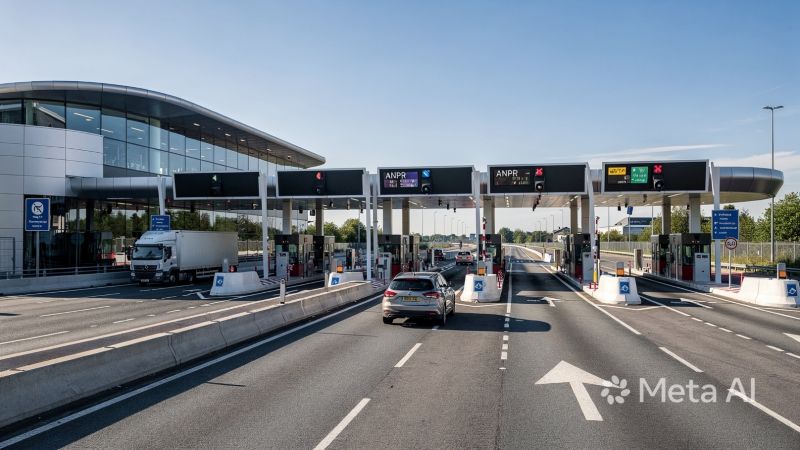
Manual toll collection remains a major source of delays and inefficiency. A shift toward electronic tolling can significantly improve highway performance.
Technologies such as RFID-based tolling, automatic number plate recognition and cashless payment systems can reduce congestion at toll plazas. The experience of regional systems like India’s FASTag shows how digital tolling improves efficiency and transparency while reducing operational costs.
Preparing Highways for Electric Mobility
Electric mobility will gradually become a central part of Pakistan’s transport future. Highways must be equipped with charging infrastructure to support this transition.
Motorway service areas can be transformed into energy hubs with solar-powered charging stations. Public-private partnerships can help develop charging networks for electric buses, passenger vehicles and freight transport.
This development will also reduce dependence on fossil fuels and improve long-term environmental outcomes.
 Sustainable Construction and Digital Monitoring
Modern road construction techniques such as recycled asphalt, plastic-based road materials and low-carbon concrete can improve durability while reducing environmental impact.
At the same time, digital monitoring tools such as drones, AI-based crack detection and predictive maintenance systems can extend the life of infrastructure and reduce repair costs. These tools shift maintenance from reactive to preventive approaches, improving overall efficiency.
Capacity Building and Institutional Strengthening
Technology alone cannot transform the transport sector without skilled professionals. Pakistan needs structured training programs in intelligent transport systems, AI applications, digital infrastructure management and environmental engineering.
Engineering institutions and regulatory bodies must introduce specialized programs in smart mobility. Continuous professional development is essential for engineers and policymakers working in this evolving field.
Climate Resilience and Infrastructure Protection
Pakistan is highly vulnerable to floods, heatwaves and landslides. Future highway design must incorporate climate resilience as a core requirement.
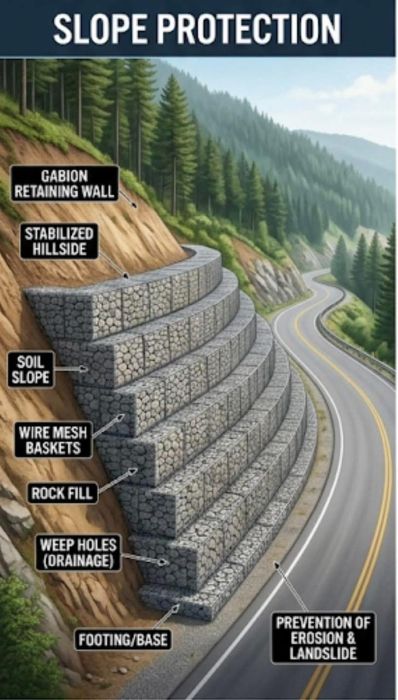
Improved drainage systems, slope stabilization, heat-resistant materials and real-time weather monitoring can significantly reduce infrastructure damage. Climate adaptation is not optional. It is essential for long-term sustainability.
Public Private Partnerships and Investment Models
Modern transport systems require substantial investment. Public-private partnerships offer a practical solution for financing large-scale infrastructure upgrades.
Models such as build-operate-transfer projects, green financing mechanisms and international development partnerships can help accelerate modernization. Private sector involvement can also bring innovation and efficiency into project delivery.
Urban Transport Integration and Governance
Highways cannot function in isolation from urban transport systems. Pakistan needs integrated mobility networks that connect buses, railways, metro systems and ride-sharing services through unified digital platforms.
Strong governance is equally important. Transparent contracting, quality control and reduced administrative inefficiencies are necessary to ensure long-term success. Without consistent maintenance, even advanced infrastructure will degrade over time.
Policy Incentives and Public Awareness
Behavioral change is a key part of modernization. Incentives such as reduced tolls for electronic tag users, subsidies for electric vehicles and fare reductions for public transport users can encourage adoption of new systems.
Public awareness campaigns are also important. Drivers must understand electronic tolling, lane discipline and modern traffic systems. Driving education must evolve to reflect new technologies and road environments.
Final Words
Modern highways represent a shift from traditional infrastructure to intelligent, connected, and sustainable systems. Around the world, transportation networks are becoming digital, adaptive and environmentally integrated.
For Pakistan, this transformation is both a challenge and an opportunity. By investing in digital systems, electric mobility, sustainable construction, skilled human resources and strong governance, the country can build a transport system that supports long-term economic growth and social development.
The future of highways is not simply about building roads. It is about building intelligent systems that move people, support economies and protect the environment at the same time.
Read: Tando Masti Khan: Trade Corridor Reimagined
_________________
 Engr. Ramesh Raja is a civil engineer and managerial/ planning professional who also contributes as a freelance writer on technical matters. He may be reached at engineer.raja@gmail.com