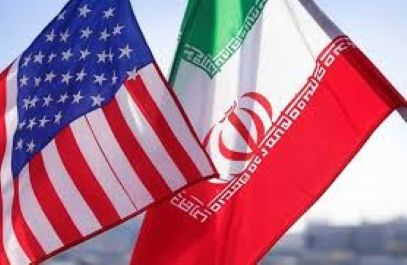
The relationship between the two countries remains highly complex and uncertain, with far-reaching implications for regional and global stability.
Ghulam Murtaza Samo
Iran–United States relations have remained persistently strained for several decades, shaped by deep-rooted political disagreements, strategic rivalries, and regional security concerns. In recent years, three interconnected developments have played a particularly significant role in defining this relationship: domestic protests within Iran, prolonged diplomatic negotiations, and escalating military tensions in the Middle East.
One major factor influencing bilateral relations is the occurrence of internal protests in Iran. At various points, large-scale demonstrations have emerged in Iranian cities, driven by economic hardships, social restrictions, and political grievances. These protests have drawn widespread international attention. The United States has repeatedly voiced concern over the treatment of demonstrators and has emphasized the importance of civil liberties and human rights. Iranian authorities, however, have rejected such statements, characterizing them as external interference in sovereign domestic matters. This fundamental divergence in perspectives has further aggravated already fragile relations.
Another critical dimension of Iran–U.S. relations is diplomacy, particularly negotiations surrounding Iran’s nuclear program. Both countries were signatories to the 2015 Joint Comprehensive Plan of Action (JCPOA), an agreement designed to curtail Iran’s nuclear activities in exchange for sanctions relief. Following the United States’ withdrawal from the agreement in 2018, comprehensive economic sanctions were reinstated, placing severe pressure on Iran’s economy. Since then, multiple rounds of indirect negotiations have been conducted with the objective of reviving the accord. Although intermittent progress has been reported, substantial disagreements over compliance, verification, and sanctions relief have prevented a complete restoration of the agreement.
Rising military tensions further complicate the relationship. The United States maintains an extensive military presence across the Middle East, while Iran has expanded its defensive capabilities and regional influence. Incidents involving naval encounters, missile developments, and attacks on regional facilities have heightened fears of miscalculation and escalation. While officials on both sides have stated that they do not seek a direct military confrontation, persistent mistrust and hostile rhetoric continue to increase the risk of conflict.
In conclusion, Iran–United States relations are shaped by a complex interaction of internal political developments, diplomatic engagement, and security challenges. Domestic protests underscore internal pressures within Iran, negotiations reflect ongoing efforts to manage longstanding disputes, and military tensions highlight the volatility of the regional security environment. Collectively, these factors illustrate why the relationship remains highly complex and uncertain, with far-reaching implications for regional and global stability.
Read: Iran Situation: AJA calls for Restraint
___________________
Ghulam Murtaza Samo is based in Karachi