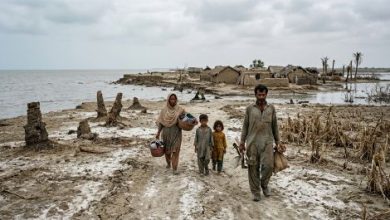
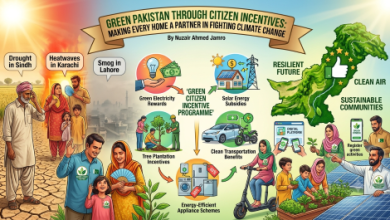
Climate change is not just a headline or a political issue; it is a daily, intimate reality. It shapes what we eat, how we sleep, who we love, and what we fear
By Abdullah Usman Morai | Sweden
When the Weather Changes Us
Climate change is no longer a distant concern restricted to scientific debates or policy conferences. It is now a deeply personal reality, altering how we live, feel, eat, travel, and dream. From the farmer in rural Sindh watching his crops fail due to unpredictable rain, to the office worker in Karachi, Sindh struggling through blistering heat waves, climate change has infiltrated every layer of our daily existence. This article explores the personal consequences of this global crisis, not just in statistics or economic models, but in human stories, mental shifts, and lifestyle changes. It highlights how the warming planet affects our bodies, minds, wallets, and relationships—and what we can do to adapt, resist, and rebuild.
The Heat Beneath Our Skin: Health Impacts
One of the most direct effects of climate change is its impact on physical health. With rising temperatures, people experience increased cases of heat exhaustion, dehydration, respiratory issues, and even cardiovascular complications. In urban centers like Lahore or Delhi, air quality worsens in the summer months, triggering asthma attacks and bronchial distress, particularly among children and the elderly.
Vector-borne diseases are also on the rise. Mosquitoes, for example, thrive in warmer climates, leading to more frequent outbreaks of dengue, malaria, and chikungunya. For many, climate change isn’t an abstract risk; it’s the reason behind repeated hospital visits, growing medical bills, and a lingering sense of bodily vulnerability.
 Climate Anxiety: A Silent Mental Health Crisis
While the physical toll is visible, the emotional burden is often invisible but just as dangerous. The term “eco-anxiety” or “climate anxiety” describes the chronic fear of environmental doom. Youth across the globe, especially climate-conscious teenagers and young adults, report feelings of helplessness, anger, and despair.
Parents hesitate to bring children into a world that feels increasingly unstable. Students protest, not just for planetary health, but for their own psychological survival. Even older generations, watching familiar weather patterns collapse, experience confusion and disorientation. Mental health professionals now treat patients whose depression or insomnia stems from environmental distress.
Eating the Planet: Food Insecurity and Dietary Changes
Climate change alters how and what we eat. Extreme weather disrupts food supply chains, leading to reduced crop yields, higher food prices, and limited access to fresh produce. In coastal and flood-prone regions of Pakistan and Bangladesh, saltwater intrusion and unpredictable monsoons damage rice fields and vegetable farms.
This results in not only physical hunger but also nutritional deficits, particularly affecting children’s growth and development. Middle-class families increasingly shift to processed or imported food due to a lack of local variety, ironically contributing further to environmental degradation.
However, awareness is also creating change. Many urban dwellers are adopting plant-based diets, reducing meat consumption, and starting kitchen gardens to reconnect with sustainable food practices. Food is becoming both a battleground and a solution space in the climate crisis.
Homes and Heartache: Displacement and Loss
Millions are already climate migrants. In Pakistan, seasonal floods regularly displace thousands of families who lose not just their homes, but also memories, identities, and ancestral land. From Tharparkar’s drought to Sindh’s riverbank erosion, climate change is literally uprooting people from their lives.
For the privileged, climate adaptation means renovating homes with better insulation, installing solar panels, or moving to cooler cities. But for most people, it means living under tarpaulins, depending on aid, and coping with the psychological trauma of loss.
Looking ahead, experts warn of a future where massive migration could reshape national borders, urban planning, and international relations. Climate refugees may no longer be an exception but a defining feature of the 21st century.
Shifting Daily Routines and Lifestyle Adjustments
Climate change dictates our schedules, habits, and energy levels. Outdoor workers such as construction laborers, farmers, and vendors must now begin their day at dawn to avoid deadly afternoon heat. In regions with erratic rainfall, weddings, funerals, and cultural events must be rescheduled last minute.
Many households adjust their electricity usage, switching off devices more frequently to conserve power or afford rising energy bills. People invest in water tanks, air purifiers, and solar panels where possible. Even fashion choices are influenced: synthetic fabrics are shunned for breathable cotton due to the increasing heat.
Financial Pressures and Economic Strain
Personal economies are strained under climate pressures. Farmers facing failed harvests fall into debt. Rising prices for food, energy, and water disproportionately affect lower-income households. Flash floods destroy shops and local businesses.
Even those with savings find themselves spending more on healthcare, home repairs, and emergency relocations. Insurance policies don’t always cover climate-related disasters. This economic volatility forces many to make difficult choices between education, nutrition, and safety.
Technology, Adaptation, and Resistance
Technology plays a double-edged role. On one hand, it offers hope: solar energy, water harvesting systems, climate-resilient crops, and early-warning apps are saving lives. On the other hand, digital divides mean that such solutions are not accessible to all.
Tech-savvy urban dwellers use climate apps to plan commutes, track air quality, and reduce their carbon footprint. Meanwhile, rural areas lack the infrastructure to implement even basic warnings. Adaptation is uneven, creating a climate caste system of sorts.
Intimacy and Identity: The Cultural Cost
Climate change also threatens emotional landscapes. People mourn the loss of trees they grew up climbing, rivers they swam in, and seasons that defined their childhoods. Festivals are quieter, traditions disrupted, and family gatherings harder to arrange.
For indigenous and rural communities, the environmental shift is also a spiritual and cultural one. Nature is not just a backdrop but a living participant in their stories, rituals, and songs. As landscapes vanish, so too do languages, customs, and memories.
Social Inequality and Environmental Injustice
The climate crisis is deeply unequal. Those who contribute the least to greenhouse gas emissions suffer the most. Wealthier individuals can buffer themselves with air conditioning, insurance, and migration, while poor communities face the brunt of floods, heat, and food insecurity.
In South Asia, women and girls walk longer distances to fetch clean water, missing school or risking their safety. In urban slums, people live in overcrowded, poorly ventilated homes that turn into ovens during heat waves. Climate justice is not just about saving polar bears; it’s about equitable survival.
Hope, Resilience, and What We Can Do
Despite its immense challenges, climate change is also inspiring resilience and innovation. Youth-led movements, indigenous wisdom, grassroots activism, and individual courage form a growing wave of response. People are creating community gardens, organizing local clean-ups, and pressuring governments to act.
At a personal level, here are a few steps we can all take:
- Reduce your carbon footprint: Use energy-efficient appliances, switch to public transport or biking, and consume more vegetables.
- Support local economies: Buy from local farmers and artisans.
- Educate yourself and others: Share accurate climate information and support environmental education.
- Conserve resources: Use water mindfully, recycle, and limit plastic usage.
- Participate: Join local climate action groups or support eco-friendly policies.
Change starts small. When millions of people shift even slightly, the world moves with them.
The Climate Within Us
Climate change is not just a headline or a political issue; it is a daily, intimate reality. It shapes what we eat, how we sleep, who we love, and what we fear. It alters how we define safety, home, and even hope. But within this massive upheaval lies a unique opportunity—to reimagine our relationship with the planet and with each other.
The future is uncertain, but it is also unwritten. By understanding how climate change touches our personal lives, we can become not just victims or bystanders, but active participants in healing the Earth. As we adapt, resist, and innovate, we tell a new story—one not of despair, but of courage, compassion, and transformation. That story begins in our own homes, hearts, and hands.
Read: Climate Change: The Earth in Crisis
________________
 Abdullah Soomro, penname Abdullah Usman Morai, hailing from Moro town of Sindh, province of Pakistan, is based in Stockholm Sweden. Currently he is working as Groundwater Engineer in Stockholm Sweden. He did BE (Agriculture) from Sindh Agriculture University Tando Jam and MSc water systems technology from KTH Stockholm Sweden as well as MSc Management from Stockholm University. Beside this he also did masters in journalism and economics from Shah Abdul Latif University Khairpur Mirs, Sindh. He is author of a travelogue book named ‘Musafatoon’. His second book is in process. He writes articles from time to time. A frequent traveler, he also does podcast on YouTube with channel name: VASJE Podcast.