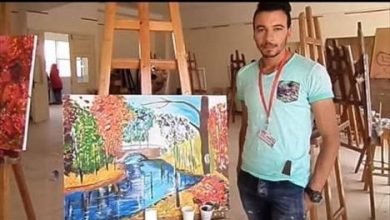
Art therapy reminds us that healing does not always come through words; sometimes, it emerges gently through colors, shapes, and the quiet beauty of creation.
By Abdullah Usman Morai | Sweden
In today’s fast-paced world, where psychological stress, anxiety, and mental health challenges have become increasingly common, people are constantly searching for meaningful ways to cope and heal. Among these emerging approaches is Art Therapy. It is a therapeutic practice in which art and creativity are used to address emotional, psychological, and even physical difficulties. The process may include drawing, coloring, sculpting with clay, creating collages, or engaging in other creative activities.
What is Art Therapy?
Art therapy is a professional therapeutic practice conducted under the guidance of a trained therapist. The goal is not to turn a person into a great artist; rather, it helps them express emotions, thoughts, and inner feelings that are often difficult to describe in words.
Many times, we ourselves are unaware of what emotions we are going through. Art therapy helps individuals recognize these hidden feelings and transform them into visible form. When a person becomes deeply engaged in a creative process, the mind temporarily distances itself from worries and distress. In many ways, it works like meditation.
The drawings or shapes we create often reflect our inner world. The therapist interprets these expressions and helps the individual understand their emotions and find meaningful ways to cope with their challenges.
 Examples and Activities in Art Therapy
Art therapy includes a range of activities that can benefit people of all ages.
For example, filling colors into a complex design, pattern, or artwork helps calm the mind. It improves concentration and reduces stress, a simple yet powerful method that supports both children and adults.
Sometimes, participants are asked to visually express an emotional state such as happiness, anger, or anxiety. A person experiencing anger, for instance, may draw sharp or intense red lines. The therapist then discusses the artwork, exploring where the anger comes from and how it can be managed in healthier ways.
Creating Collages
In this activity, participants cut out images and words from magazines, newspapers, or old books and arrange them into a new visual composition. This helps people express their dreams, fears, concerns, or future plans in symbolic form.
For example, someone who feels uncertain about their career may select images that reflect their hopes, insecurities, or aspirations, allowing those buried thoughts to surface visually.
Clay Modeling and Sculpting
In this form of therapy, individuals create figures or shapes using clay. This process allows emotions, especially those difficult to verbalize, to take a physical form.
Handling clay physically can also reduce stress, improve sensory awareness, and strengthen coordination between the hands and brain.
Relationship-Based Art Therapy
This is a powerful and insightful approach in which family members work together on a shared artwork or create a joint canvas that reflects their relationships. The process strengthens communication, builds emotional connection, and often brings hidden issues to light gently and constructively.
Benefits of Art Therapy
Art therapy is especially helpful for people who struggle to express their emotions verbally, such as children or individuals who face communication difficulties.
Through creative expression, people better understand their inner strengths, and self-confidence gradually increases, as well as emotional clarity improves, and decision-making becomes healthier and more grounded
For individuals who have experienced trauma or distressing life events, art therapy provides a safe space to revisit and process painful memories without pressure or fear.
It allows healing to take place at a natural and compassionate pace.
 Who Can Benefit from Art Therapy?
Art therapy can be useful for people of all ages, including children and adolescents facing challenges at home or school, adults dealing with stress, anxiety, depression, or emotional exhaustion, elderly individuals struggling with loneliness or memory-related difficulties, and people living with chronic illness or long-term physical pain.
In essence, art therapy is a modern and effective therapeutic approach that not only connects us with our inner world but also brings emotional peace, clarity, and a sense of joy.
By combining creativity and psychology, it offers an opportunity to rediscover the colors of life in a deeper and more meaningful way. It is not limited to people with illness; anyone who wishes to feel mentally stronger, emotionally grounded, engaged, and peaceful can benefit from it.
Art therapy reminds us that healing does not always come through words; sometimes, it emerges gently through colors, shapes, and the quiet beauty of creation.
Read: Sindhi Kachehri – Echoes of Tradition
__________________
 Abdullah Soomro, penname Abdullah Usman Morai, hailing from Moro town of Sindh, province of Pakistan, is based in Stockholm Sweden. Currently he is working as Groundwater Engineer in Stockholm Sweden. He did BE (Agriculture) from Sindh Agriculture University Tando Jam and MSc water systems technology from KTH Stockholm Sweden as well as MSc Management from Stockholm University. Beside this he also did masters in journalism and economics from Shah Abdul Latif University Khairpur Mirs, Sindh. He is author of a travelogue book named ‘Musafatoon’. His second book is in process. He writes articles from time to time. A frequent traveler, he also does podcast on YouTube with channel name: VASJE Podcast.