Through traditional foods, family gatherings, music, dances, and public festivals, Navruz continues to play a vital role in the cultural life of Uzbekistan
Sevara Matnazarova
Navruz is one of the most ancient and meaningful holidays celebrated in Uzbekistan. It marks the arrival of spring and the beginning of a new year according to the solar calendar. Navruz is celebrated every year on March 21, the day of the spring equinox, when day and night become equal. For the Uzbek people, Navruz is not only a seasonal celebration but also a symbol of renewal, unity, peace, and cultural identity.
The history of Navruz dates back more than three thousand years. It originated in ancient Persia and gradually spread across Central Asia, the Middle East, and other regions. Throughout history, many civilizations celebrated this day as the beginning of a new agricultural year. In the territory of modern Uzbekistan, Navruz has been celebrated for centuries and has become deeply rooted in the traditions and customs of the Uzbek people.
 Preparation for Navruz begins several days before the holiday. People clean their homes, yards, and neighborhoods. This tradition symbolizes purification and the removal of negativity from the past year. Cleanliness is believed to bring good luck, happiness, and prosperity for the coming year. Families also decorate their houses and prepare special dishes that are traditionally served during the celebration.
One of the most famous foods associated with Navruz is sumalak. This traditional dish is made from sprouted wheat and cooked slowly in a large pot for many hours. Preparing sumalak is not just cooking; it is a social and cultural event. Women from the neighborhood often gather together at night to cook it, singing songs, telling stories, and sharing joyful moments. The process can take many hours, and it represents patience, cooperation, and unity among people.
Navruz is also a time for kindness and generosity. During this holiday, people visit relatives, neighbors, and friends to congratulate each other and wish happiness and success in the New Year. Younger people show respect to elders, while communities help those who are in need. Charity and goodwill are considered important parts of the celebration, strengthening the spirit of solidarity within society.
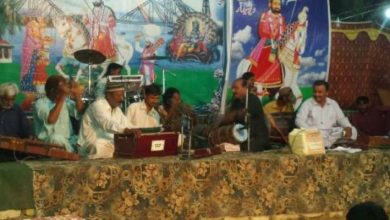
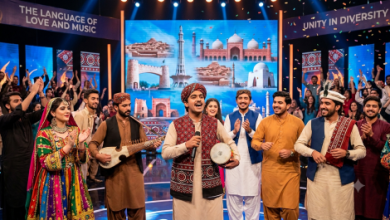
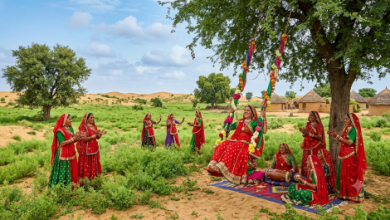
Public celebrations are widely organized throughout the country. In cities such as Samarkand, Bukhara, and Khiva, large festivals are held in squares and parks. These celebrations include concerts, national dances, traditional music performances, and exhibitions of folk crafts. People wear colorful national costumes, and many traditional games and competitions are organized. These events allow people to experience the richness of Uzbek culture and traditions.
Another important aspect of Navruz is its connection with nature. The holiday celebrates the awakening of nature after winter. Trees begin to blossom, flowers bloom, and farmers prepare their fields for planting. For centuries, agriculture has played a vital role in the lives of people in Central Asia, so Navruz also symbolizes the beginning of a new farming season and hopes for a successful harvest.
Navruz also carries a deep philosophical meaning. It reminds people about harmony between humans and nature, the importance of peace, and the idea of starting a new chapter in life. Many traditions associated with Navruz emphasize forgiveness, friendship, and mutual respect. People try to forget past conflicts and begin the New Year with positive intentions.
In modern Uzbekistan, Navruz remains one of the most important national holidays. Schools, universities, and cultural institutions organize special events and performances dedicated to this day. The government also supports large public celebrations, which attract both local residents and international tourists. Through these events, the traditions of Navruz are preserved and passed on to younger generations.
In conclusion, Navruz is far more than a simple holiday marking the arrival of spring. It is a celebration of life, renewal, unity, and cultural heritage. Through traditional foods, family gatherings, music, dances, and public festivals, Navruz continues to play a vital role in the cultural life of Uzbekistan. By celebrating this ancient holiday, the Uzbek people honor their history, strengthen their communities, and welcome the future with hope, joy, and optimism.
Read: Uzbekistan: Changing Cultural Values
____________________
 Sevara Matnazarova is student at Urgench State University named after Abu Rayhan Beruni in Khorezm, Uzbekistan