Coal and Sand Mining, Wind Corridor, and Pollution a big threat to environment, archaeological sites, wildlife and the Keenjhar Lake
Farooq Sargani
Jhimpir sits along the bank of Keenjhar Lake, near the Khirthar Mountains range in the Thatta district. In Sindh’s history, Thatta has long been a center of power and culture, even as empires rose and fell. Nearby lie historic sites such as Kalan Kot, Pir Bhatti Warro Munaro, and Jhim Kot on the shore of Keenjhar. The old name of Jhimpir is Jhim, with roots dating back to pre-Islamic times. Archaeological finds in Jhimpir include sites dating to the Stone Age, beyond the Indus Valley civilization.
 Despite its enduring beauty, Jhimpir has seen upheaval in the postcolonial era. Coal mining, sand mining, and pollution threaten the freshwater of Keenjhar and, in turn, local heritage and culture. Some observers fault local feudal lords—who also hold political offices—for failing to support Indigenous communities and for enabling mafias that exploit residents.
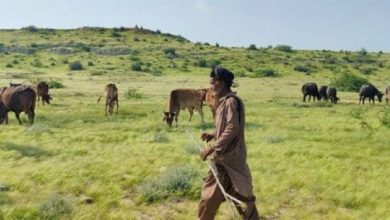
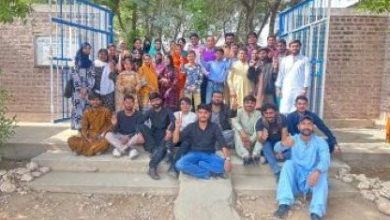
 My visit to Jhimpir, traveling from Karachi with my friend Karim Shirazi, aimed to examine the disappearance of historical sites, environmental crises, and cultural disintegration. I witnessed not only human hardship but also wildlife suffering. Locals report that the wind corridor’s nighttime activity disrupts wildlife, including horses like Ladro, and that many Indigenous animals have been displaced from their habitats. Five decades ago, Jhimpir was famed for its palm groves; today, only a few palm trees remain along the Keenjhar shore.

During conversations with residents, a high school teacher, Sarang Dars (son of the late writer Rasool Bux Dars), spoke about the destruction of palm trees: incisions in trunks for “tharro” (local wine) distillations, contributing to the decline of palm populations.
Another local Muhammad Ameen Meerbahar lamented coal extraction, noting that it has persisted for more than six decades with inadequate safety measures and insufficient soil restoration after mining pits are left unfilled. As a consequence, livestock and wildlife have fallen into unfilled pits.
Keenjhar Lake’s Biodiversity under Pressure
Keenjhar Lake has long been a haven for indigenous and migratory birds. However, pollution from industrial areas in Nooriabad and Kotri has degraded the lake’s biodiversity. The broader ecological degradation has altered migratory patterns, with birds increasingly bypassing Keenjhar. The World Wildlife Fund for Nature (WWF) conducted ecological assessments; in 1970, bird populations at Keenjhar were estimated between 50,000 and 150,000, dropping to about 30,016 in 2002. In 2024, the Sindh wildlife department recorded about 15,274 birds at Keenjhar. If trends continue, migratory birds may disappear from Keenjhar’s shores, affected by policies and local feudal interests that overlook the lake’s ecological and cultural value.
 The Wind Corridor and Clean Energy
Since 2009, the Jhimpir wind corridor has been producing clean energy, with 38 wind-energy companies operating in the region. Critics argue that local communities have not benefited proportionally from these projects, and that benefits should be shared more equitably through local employment and improved living facilities.
 Call to Action
Jhimpir remains a place of natural beauty and cultural heritage, but it faces interconnected challenges: coal and sand mining, water and ecological pollution, and governance gaps that limit community benefits from wind-energy development. To safeguard Keenjhar Lake’s biodiversity, tangible heritage, and the well-being of local communities, it is essential to:
Strengthen environmental oversight and enforce safe mining practices, with effective soil restoration and pit remediation.
Mitigate industrial pollution affecting Keenjhar Lake and adjacent ecosystems; improve waste management and effluent treatment for Nooriabad and Kotri areas.
Ensure that wind-energy projects deliver meaningful local benefits, including job creation, local procurement, and community facilities.
Protect and restore palm groves and other ecological assets along the Keenjhar shoreline.
Document and preserve local cultural heritage, including historic sites and traditional livelihoods, while engaging communities in conservation planning.
Read: Historical ‘Mor Moradi Graveyard faces demolition threat
_________________
The author is freelance writer. He has graduated from Karachi University