Despite a clear legal ban and protective legislation, illegal hunting of deer and birds continues unabated
Every fallen animal is a stark reminder of human greed overpowering the desert
Ali Nawaz Rahimoo
Tharparkar, located in the eastern part of Sindh, is not merely a desert of sand dunes and drought narratives. It is a living ecological and cultural landscape where humans, wildlife and nature have coexisted for centuries in remarkable harmony. Among its most iconic inhabitants is the chinkara deer a gentle, graceful species deeply embedded in the social and emotional fabric of Thari life. Yet despite a clear legal ban and protective legislation, illegal hunting of deer and birds continues unabated, exposing a troubling gap between law and enforcement. In February 2017, the Sindh government officially prohibited hunting of deer and birds across a 940-square-kilometre area of Tharparkar, declaring it the Chinkara Wildlife Sanctuary. Under this notification, hunting, trapping, chasing or killing of protected wildlife within this zone is strictly illegal. The sanctuary status was meant to safeguard declining populations of chinkara deer and migratory birds whose habitats were under increasing pressure. This ban is reinforced by the Sindh Wildlife Protection, Preservation, Conservation and Management Act, 2020, which governs wildlife conservation across the province. The law contains explicit anti-poaching provisions, empowers wildlife officials to seize weapons and vehicles, and prescribes imprisonment and heavy fines for offenders. Court records indicate that hunting protected or rare species can result in up to five years of imprisonment, along with substantial financial penalties. Despite this strong legal framework, the reality on the ground tells a different story.
 Repeated incidents of illegal hunting in Tharparkar raise serious questions about the effectiveness of enforcement. Hunters often enter the desert in groups, using vehicles, firearms and trained dogs. These operations are rarely discreet. Videos and eyewitness accounts suggest that poaching frequently occurs openly, sometimes even during daylight hours. The Sindh Wildlife Department is legally responsible for monitoring sanctuaries, preventing poaching, registering cases and prosecuting offenders. However, the department faces chronic challenges: vast areas with minimal staff, shortage of patrol vehicles, lack of modern surveillance equipment and limited operational budgets. In some sanctuary zones, only a handful of guards are responsible for hundreds of square kilometers. Beyond logistical constraints, critics argue that institutional weakness and political pressure often prevent decisive action against influential hunters. Delays in FIR registration, weak challans and compromised prosecutions erode the deterrent effect of the law. In stark contrast to official inertia, local communities in Tharparkar have consistently stood against illegal hunting. Villagers have intercepted poachers, rescued injured animals and, in some cases, physically detained hunters until authorities arrived. These acts of resistance are not without risk, particularly when hunters are perceived to be powerful outsiders or locally influential figures.
One of the most powerful expressions of community resistance occurred recently when eight rare chinkara deer were brutally hunted. In response, the people of Thar conducted a collective burial ceremony for the animals. Hindus and Muslims gathered together, graves were dug, funeral prayers were offered, and tears were shed as if family members had been lost. The people of Tharparkar share a deep love with nature. They care for animals as if they were members of their own family. Peacocks dance gracefully around village homes, while deer race and leap across the sand dunes, full of life and joy. For the Tharis, these creatures are more than part of the environment they are companions, part of the family. This bond of respect and affection fosters a harmony between humans and wildlife that is rarely seen elsewhere, making Tharparkar a unique place where nature and people truly coexist.
This act was unprecedented. Perhaps for the first time in recorded history, animals were buried with full funeral rites attended by people of different faiths. The message was unmistakable: in Thar, wildlife is not property or prey it is family. Tharparkar is unique in Pakistan for its deep emotional bond between humans and nature. Peacocks wander freely through village homes, perching on choonara the cone-shaped thatched huts of the desert. Deer are often seen near households, and folklore abounds of women nursing orphaned fawns alongside their own children.
This coexistence is not symbolic; it is lived reality. Tharis believe harming wildlife brings imbalance and misfortune. This worldview stands in sharp contrast to the mindset of trophy hunters who view animals as targets or status symbols. Illegal hunting in Thar is not a recent phenomenon. Over decades, hunters have targeted chinkara deer, rabbits, peacocks and migratory birds for meat, trade and sport. What has changed is the scale and brazenness of hunting, often linked to modern weapons and political patronage.
Past incidents have implicated individuals with social or political influence, including members of law-enforcement agencies. Such cases reinforce public perception that hunting persists not because laws are weak, but because laws are selectively applied.
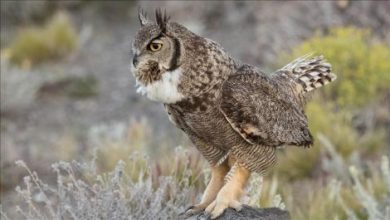
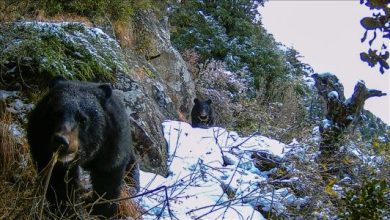
Tharparkar hosts diverse wildlife adapted to arid conditions. Mammals include chinkara, nilgai, wolves, hyenas, caracals, desert cats, pangolins, wild boar and desert hares. The region is also a crucial corridor for migratory birds, including flamingos, cranes, bustards, pelicans and birds of prey. Adjacent wetlands connected to the Rann of Kutch, a designated Ramsar site, enhance the ecological importance of the region. Yet, no comprehensive wildlife census has been conducted in Tharparkar, leaving conservation efforts without accurate data. In the endless sands of Tharparkar, gentle deer and soaring houbara birds walk a fragile line between life and death. Laws exist on paper promises of protection but the echo of gunshots tells a darker story. Blood stains the dunes while wildlife officers often remain passive, merely filing papers while hunters roam freely. The poor people of Tharparkar risk everything to protect nature and save these animals, yet elected representatives in the corridors of power show little seriousness.
Every fallen animal is a stark reminder of human greed overpowering the desert. The Sindh Wildlife Act holds the power to punish, but without vigilance, awareness, and action from leaders, these creatures remain defenseless, their lives slipping silently into shadow. Why are the voices of parliamentary leaders silent while the hunters destroy the land? Particularly alarming is the killing of female deer, which severely undermines population recovery. Chinkara reproduce slowly, and the loss of breeding females accelerates local extinction, triggering broader ecological imbalance.
While the Sindh Assembly has enacted wildlife protection laws, there is no dedicated, Tharparkar-specific conservation policy backed by strong political ownership. Elected representatives from the region are often conspicuously silent during hunting incidents.
These grassroots efforts have saved significant portions of Thar’s fragile ecosystem from irreversible damage. The hunting ban in Tharparkar is clear. The law is strong. The people are committed. What is missing is effective enforcement and moral courage at the institutional level. Illegal hunting in Tharparkar is not merely a conservation failure it is a test of governance, justice and respect for life. If laws continue to shield the powerful while communities’ risk everything to protect nature, the silence of the desert will deepen, and its wildlife may disappear forever.
Why hasn’t the elected Parliament acted to pass a strong bill to end illegal hunting and protect these innocent creatures? Current laws are full of gaps, offering only minor fines and empty penalties, doing little to safeguard wildlife. The need is urgent local communities are pleading for these cruel practices to stop. These gentle deer roam freely across the sand dunes, living peacefully, yet their lives hang by a thread. Every moment that passes, their survival becomes more uncertain. We cannot remain silent while their world is destroyed. Thar is peaceful. Its deer are gentle. The law must finally stand with them.
Read: Camels – Pillars of Sindh’s Desert Economies
_________________
 Ali Nawaz Rahimoo, based in Umerkot, Sindh is a social development professional. He can be contacted on anrahimoo@gmail.com