Building a Culture of Prevention of Diseases in Pakistan
A culture of prevention is not built overnight, but it begins with changing attitudes and priorities
Ali Nawaz Rahimoo
The old saying, “Prevention is better than cure,” has never been more relevant for Pakistan. Every year, the country spends enormous resources responding to outbreaks, treating illnesses, and managing health emergencies that could have been prevented through timely interventions, public awareness, and stronger healthcare systems. Yet, prevention often receives far less attention than treatment. As a result, Pakistan repeatedly finds itself reacting to crises rather than preparing for them.
The irrational use of medicines, poor adherence to hygiene and precautionary practices, shortages of essential healthcare supplies, and the absence of effective proactive measures continue to worsen the impact of diseases and epidemics. Time and again, the country responds only after outbreaks have spread widely, exposing weaknesses in preparedness and public health awareness.
However, disease prevention is not only about controlling dengue, chikungunya, or COVID-19. It must become the foundation of Pakistan’s healthcare approach. Infectious diseases, vaccine-preventable illnesses, waterborne infections, and even non-communicable diseases can be significantly reduced through preventive measures.
Pakistan remains among the countries with the highest burden of tuberculosis (TB) in the world. According to the World Health Organization (WHO), the country reports more than 600,000 new TB cases every year. TB is both preventable and curable, yet delayed diagnosis, poor treatment adherence, overcrowded living conditions, malnutrition, and stigma continue to fuel its transmission. The emergence of drug-resistant TB, largely due to incomplete or irrational use of anti-TB medicines, has created another major challenge. Early diagnosis, completion of prescribed treatment, adequate nutrition, and public education can prevent thousands of avoidable deaths.
Similarly, HIV/AIDS continues to emerge as a growing public health concern. Pakistan has witnessed a steady increase in HIV infections during recent years, with more than 300,000 people estimated to be living with HIV. Unfortunately, many remain unaware of their infection status due to limited testing and social stigma. Prevention through awareness campaigns, safe blood transfusion practices, screening of blood products, the use of sterile syringes, and harm-reduction programs for people who inject drugs is essential. Communities must also address the stigma surrounding HIV so that people seek testing and treatment without fear or discrimination.
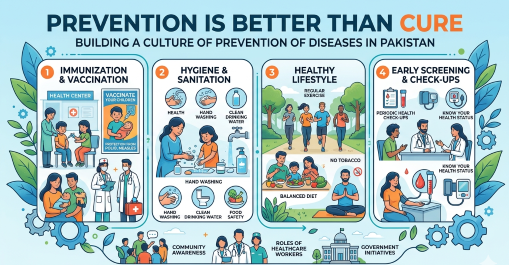
Vaccination remains one of the most successful and cost-effective preventive interventions in human history. Yet, Pakistan continues to face outbreaks of measles due to gaps in immunization coverage. Hundreds of children fall ill every year from diseases that vaccines can prevent. Likewise, Pakistan remains one of the few countries where poliovirus transmission has not been completely interrupted. Continued support for routine immunization services, community engagement, and trust-building efforts is critical to protecting future generations from vaccine-preventable diseases.
Waterborne diseases also impose a heavy burden on the healthcare system. Typhoid fever, hepatitis A, hepatitis E, cholera, and acute diarrheal diseases continue to affect vulnerable populations, particularly in communities lacking access to clean drinking water and adequate sanitation. Unsafe food handling practices, open defecation, poor waste disposal, and contaminated water sources contribute significantly to disease transmission. Investments in safe drinking water, improved sanitation infrastructure, hand washing facilities, and public education can dramatically reduce these illnesses.
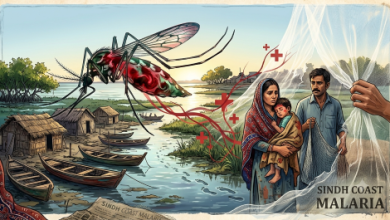
Mosquito-borne diseases have become increasingly common due to changing environmental conditions, rapid urbanization, and inadequate vector control measures. Dengue outbreaks occur almost every year, while chikungunya has emerged as an additional threat. Government authorities often intensify mosquito control campaigns only after outbreaks become widespread. However, prevention requires year-round efforts. Regular insecticidal spraying, elimination of stagnant water, proper waste management, improved drainage systems, and community participation are essential to reducing mosquito breeding sites.
The role of individuals cannot be overlooked. Many people neglect preventive measures such as maintaining cleanliness, using mosquito repellents, covering water storage containers, washing hands regularly, and seeking medical advice promptly. At the same time, self-medication has become increasingly common. Medicines are often used based on recommendations from friends, relatives, or social media rather than qualified healthcare professionals. Such irrational practices can lead to treatment failure, adverse drug reactions, antimicrobial resistance, and increased healthcare costs.
Antimicrobial resistance has emerged as one of the greatest threats to global health. The unnecessary use of antibiotics for viral infections, incomplete treatment courses, and over-the-counter access to prescription medicines have accelerated the development of resistant microorganisms. If immediate action is not taken, common infections may become difficult or impossible to treat in the future. Rational use of medicines, stronger regulatory oversight, and public education are crucial to preserving the effectiveness of life-saving drugs.
Prevention is equally important for non-communicable diseases. Diabetes, hypertension, cardiovascular diseases, chronic respiratory illnesses, and certain cancers are increasing rapidly in Pakistan. These conditions place a significant financial burden on families and the healthcare system. Yet, many cases can be prevented through healthier lifestyles. Balanced diets, regular physical activity, tobacco cessation, reduced salt and sugar intake, stress management, routine screening, and periodic health check-ups can prevent complications and improve quality of life.
The government has a fundamental responsibility to create an environment that supports disease prevention. Strong disease surveillance systems, uninterrupted supplies of essential medicines and vaccines, well-equipped laboratories, trained healthcare workers, and accessible primary healthcare services must become national priorities. Health education campaigns should be conducted throughout the year rather than only during emergencies. Schools should incorporate health awareness into their curricula, while community leaders and the media should actively promote preventive behaviors.
Citizens also have a responsibility to protect themselves and their communities. Personal hygiene, environmental cleanliness, responsible medicine use, timely vaccination, and respect for public health guidelines should become routine practices. Communities must recognize that prevention is not solely the government’s responsibility; it requires collective action and sustained commitment from every individual.
Pakistan cannot afford to remain trapped in a cycle of reacting to health crises after they escalate. The economic costs of outbreaks, loss of productivity, pressure on healthcare facilities, and human suffering far exceed the investments required for prevention. Every rupee spent on preventive healthcare saves many more that would otherwise be spent on treatment and rehabilitation.
A culture of prevention is not built overnight, but it begins with changing attitudes and priorities. By investing in awareness, sanitation, vaccination, early screening, healthy lifestyles, and rational use of medicines, Pakistan can strengthen its healthcare system and protect its people from avoidable diseases.
The message is simple yet powerful: prevention saves lives. It is less costly, more effective, and more humane than cure. If both the government and citizens fulfil their responsibilities throughout the year, Pakistan can build a healthier, safer, and more resilient future for generations to come.
Read: The Sanitation Crises in Sindh
____________________
 Ali Nawaz Rahimoo, based in Umerkot, Sindh is a social development professional. He can be contacted on anrahimoo@gmail.com