Breast cancer detected early is often treatable and survivable. No woman should lose her life because of fear, stigma, ignorance, or lack of access to healthcare.
Mahjabeen Channa
Breast cancer is no longer a disease affecting only a few families; it has become one of the most pressing public health challenges of the 21st century. Across the world, millions of women are diagnosed with breast cancer every year. Yet, despite advances in medical science and improved treatment options, thousands continue to lose their lives because the disease is detected too late. In many developing countries, including Pakistan, the lack of awareness, social stigma, delayed diagnosis, and inadequate healthcare facilities continue to fuel this silent epidemic. Therefore, breast cancer awareness is not merely a health campaign; it is a lifesaving necessity.
Among Asian countries, Pakistan bears one of the heaviest burdens of breast cancer. It has the highest rate of breast cancer mortality and morbidity in Asia. Approximately 90,000 new cases are reported annually, and more than 40,000 women lose their lives to the disease each year. It is estimated that one in every ten Pakistani women may develop breast cancer during her lifetime. According to the World Health Organization, breast cancer accounted for 14.5 percent of new cancer cases and 11.7 percent of cancer-related deaths in Pakistan. Alarmingly, around 89 percent of breast cancer patients in the country are diagnosed at a late stage, while nearly 59 percent present with advanced disease. These statistics reflect not only the severity of the disease but also the urgent need for awareness and early detection.
One of the greatest challenges in Pakistan is the silence surrounding breast health. Discussions about breast cancer are often considered uncomfortable or inappropriate due to socio-cultural norms and taboos. Many women hesitate to speak about breast abnormalities because of embarrassment, fear of social judgment, or concerns about their marital relationships and family acceptance. The fear of surgery, pain, loss of femininity, and physical disfigurement further discourages women from seeking timely medical attention.
In rural areas, these barriers become even more pronounced. Limited literacy, poor access to healthcare facilities, financial constraints, and reliance on traditional healers often delay diagnosis. Many women first seek spiritual healing or home remedies instead of consulting qualified healthcare professionals. Consequently, by the time they arrive at specialized cancer hospitals, treatment options become limited and survival rates decline significantly.
The experiences of other Asian countries demonstrate that awareness and organized screening programs can dramatically improve outcomes. In Japan, nationwide awareness campaigns and regular screening programs have contributed to earlier diagnosis and better survival rates. Women above a certain age are encouraged to undergo mammography at regular intervals, supported by public health initiatives.
Similarly, South Korea has made substantial progress through its National Cancer Screening Program, which provides breast cancer screening services and promotes public education regarding early detection. The program has led to increased participation in screening and improved treatment outcomes.
Singapore also offers an important example. Through the Breast Screen Singapore program, women are encouraged to undergo mammograms every two years. Educational campaigns, community outreach, and accessible services have enhanced awareness and reduced the fear associated with breast cancer screening.
Even neighboring India has expanded awareness campaigns through government and non-governmental initiatives. Community health workers educate women about breast self-examination and warning signs of breast cancer. Although challenges remain, these efforts have contributed to increased awareness, especially among rural populations.
Pakistan can learn valuable lessons from these Asian experiences. Public education, affordable screening, and community engagement have the power to save thousands of lives.
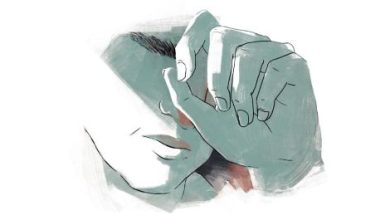
Awareness begins with understanding the signs and symptoms of breast cancer. Women should seek medical advice if they notice a lump in the breast or underarm, changes in breast size or shape, skin dimpling, nipple discharge, nipple inversion, redness, persistent pain, or unusual swelling. Recognizing these symptoms early can significantly improve treatment success.
Breast self-examination (BSE) is a simple and cost-effective method that women can perform at home once every month. Although BSE does not replace clinical examinations or mammography, it helps women become familiar with their bodies and identify unusual changes promptly. Healthcare workers, nurses, and lady health visitors should be trained to educate women about proper breast self-examination techniques, particularly in underserved communities where advanced screening facilities are unavailable.
Clinical breast examinations and mammography services should be expanded across Pakistan’s healthcare system. Unfortunately, such facilities are not widely available at primary healthcare centers, especially in rural districts. The government must integrate breast health services into existing maternal and reproductive health programs to ensure broader reach and accessibility.
Pakistan urgently requires a comprehensive national cancer registry. Reliable data collection is essential for effective policymaking, resource allocation, research, and program planning. Accurate records would help healthcare professionals and policymakers identify trends, evaluate interventions, and develop targeted strategies to reduce the burden of breast cancer.
Breast cancer awareness is not solely the responsibility of doctors, hospitals, or governments. It is a collective responsibility shared by families, communities, educational institutions, religious leaders, media organizations, and civil society. Every conversation that breaks the silence, every woman who learns self-examination, and every family that encourages screening contributes to saving lives.
Breast cancer detected early is often treatable and survivable. No woman should lose her life because of fear, stigma, ignorance, or lack of access to healthcare. Pakistan must transform awareness into action by promoting education, expanding screening services, strengthening healthcare systems, and fostering a supportive social environment. By learning from successful examples across Asia and prioritizing women’s health, Pakistan can reduce breast cancer mortality and give thousands of women the chance to live healthy, productive lives.
_______________________