


116 suicides were recorded in 2025 alone, a number that reflects not isolated tragedies but a pattern of deepening despair
Mahjabeen Channa
In the southeastern corner of Tharparkar, the golden sands stretch endlessly under a blazing sun. The district is widely known for its vast mineral reserves, including one of the world’s largest coal deposits. For policymakers and investors, Tharparkar symbolizes economic potential and industrial promise. Yet behind this narrative of development lies a painful and largely unspoken reality a growing crisis of suicide and mental distress among its people. In the golden sands of Thar, a land long known for peace, resilience, and pluralism, such tragedies feel even more heartbreaking. Tharparkar has always been a place where peacocks dance after the rain, deer run freely across the dunes, and communities of different faiths live together in harmony. For generations, people survived harsh climates through strong social bonds, shared traditions, and hope.
According to media reported data, 116 suicides were recorded in 2025 alone, a number that reflects not isolated tragedies but a pattern of deepening despair. In a region historically associated with resilience, harmony, and cultural richness, such statistics signal an alarming social and mental health emergency that demands urgent attention.
Tharparkar’s economy depends heavily on agriculture and livestock. However, recurring droughts often striking every third year have devastated crops, dried up water sources, and weakened livestock, the primary assets of rural households. When rain fails, livelihoods collapse. Families that already survive on minimal income are pushed further into debt, hunger, and uncertainty.
Poverty in Thar is not merely a statistic; it is a lived experience. Many households struggle daily for access to food, clean drinking water, healthcare, and education. Economic shocks such as droughts intensify feelings of helplessness, especially among breadwinners who feel unable to provide for their families. For individuals living hand-to-mouth, the burden of survival can become emotionally overwhelming. Compounding the crisis is one of the lowest literacy ratios in the province. Limited educational opportunities restrict social mobility and access to information about coping strategies, government schemes, or mental health support. In such an environment, hopelessness can quietly take root.
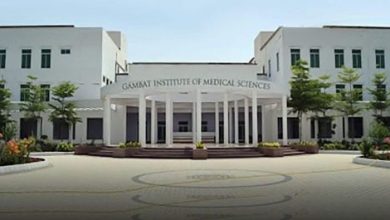
Perhaps the most troubling dimension of the crisis is the near absence of mental health services. There are no qualified psychiatrists available within Tharparkar district. Individuals requiring psychiatric consultation must travel approximately 267 kilometers Hyderabad to Mithi District Head Quarter Hospital. For families already struggling financially, the cost of transportation, accommodation, and medical fees makes such treatment nearly impossible.
At the taluka and district hospital levels, specialized mental health facilities are either extremely limited or non-existent. This means that early warning signs depression, anxiety, trauma, or suicidal ideation often go undiagnosed and untreated. Without accessible care, individuals facing psychological distress are left to battle their struggles alone. Suicide remains a deeply stigmatized topic in many communities. Conversations around mental health are rare, and suffering is often internalized. Many people lack awareness about the symptoms of depression or the availability of support services. Cultural expectations to endure hardship silently can further isolate those in pain.
Police investigations and local reports suggest that socio-economic pressures, prolonged drought, early age marriage, domestic tensions, discrimination, and a pervasive sense of hopelessness are major factors behind the rising suicides. Poor communities, in particular, have limited access to social safety nets and crisis intervention resources, making them especially vulnerable. Suicide is never an easy choice. It is a moment of deep pain when a person feels trapped between despair and silence.
Yet when someone takes their own life, the suffering does not end there. It spreads quietly through the hearts of parents, children, siblings, and friends who are left behind. Families are shattered, questions remain unanswered, and the pain lingers for years. One life lost becomes a wound carried by an entire community. But today the rhythm of life in Thar is changing. Climate uncertainty, recurring droughts, and growing hunger have made survival more fragile. At the same time, large multinational projects, particularly around coal and energy development, have begun reshaping the region. These projects promise progress and economic growth, yet many local communities still struggle for the most basic necessities.
It is essential to ensure that economic progress does not inadvertently contribute to social exclusion or psychological distress. True development must prioritize human wellbeing alongside infrastructure and industry. Experts and local advocates are urging both federal and provincial authorities to initiate comprehensive academic research into the underlying causes of suicide in Tharparkar. Evidence-based policy responses are urgently needed. Establishing dedicated teams of psychiatrists and mental health professionals at every taluka hospital could provide life-saving interventions.
Public-private partnerships should be promoted to design social safety nets, expand healthcare access, and create livelihood opportunities. Awareness campaigns about mental health and suicide prevention must be conducted in local languages to reduce stigma and encourage help-seeking behavior.
Civil society, too, has a role to play. While highlighting economic poverty is important, it is equally crucial to celebrate Thar’s cultural richness, communal harmony, and environmental heritage. Empowering communities with dignity and opportunity can restore hope. Thar, often called the land of peace, stands at a crossroads. Without timely intervention, the human cost of neglect may continue to rise. Economic growth must not come at the expense of human lives. Addressing poverty, discrimination, and mental health together is not just a policy choice it is a moral imperative.
Read: Mental Health Crises Hit Sindh Deserts
______________________
 Mahjabeen Channa is Social Development Professional based at Mithi, Tharparkar Sindh.


Due to poverty and drought. multinational company not provide the relief to the local peoples of Tharparkar.