Kinship care holds immense potential to transform the lives of vulnerable children in Pakistan
By Amir Murtaza
In my experience working with alternative care in Pakistan, I believe that kinship care stands as an essential, yet under-recognized, form of child protection. It plays a pivotal role in keeping families together and strengthening communities, providing children with stability and emotional support that institutional care often cannot offer. Despite its widespread presence, kinship care remains poorly supported by formal systems, limiting its potential to deliver the best outcomes for children. The importance of kinship care is magnified against the backdrop of challenges within Pakistan’s institutional care system, where issues such as overuse of orphanages, poor living conditions, and inadequate child protection policies persist.
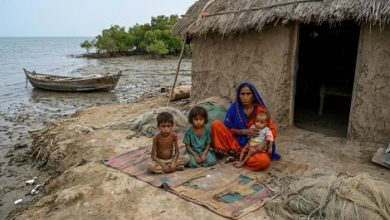
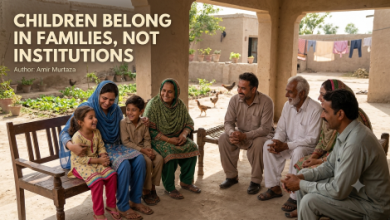
At its heart, kinship care preserves the family unit, ensuring children can stay with relatives rather than being placed in institutional care. In Pakistan, a country where family ties hold great cultural significance, kinship care serves as a lifeline for children whose biological parents are unable to provide care due to financial hardship, illness, or death. Grandparents, aunts, uncles, or even older siblings often step in, creating a familiar environment where children can continue to thrive emotionally and socially.
 To me, Kinship care not only benefits the individual child but strengthens the family and community as a whole. When children remain connected to their cultural roots, shared family memories, and community bonds, they are less likely to experience the emotional trauma often associated with alternative care placements.
Read: Traditional Kinship Patterns
Kinship care plays a crucial role in preserving community values, particularly in rural Pakistan, where extended families and communal living are the norms. Communities rally around vulnerable families, sharing resources and responsibilities to ensure children are cared for within the familial setting. This not only fosters a sense of solidarity but also reduces the pressure on institutional care facilities, which are often overburdened and underfunded.
Moreover, keeping children in kinship care helps ease the load on the state’s child protection services and orphanages, allowing these institutions to focus on children who truly need alternative care. This strengthens the overall child welfare system by ensuring resources are directed where they are most needed.
Pakistan must address the existing gaps in support for kinship caregivers, while simultaneously tackling the challenges within its institutional care system
I believe that while kinship care offers a viable and nurturing alternative for many children, Pakistan’s child protection landscape is marred by an over-reliance on institutional care, which comes with its own set of challenges. In my opinion, many children in orphanages in Pakistan are not true orphans. Instead, they come from impoverished families who place them in institutions due to financial hardship or social difficulties. This unnecessary institutionalization often results in children being separated from their families when other, more appropriate, family-based solutions like kinship care could be explored.
 There is a severe shortage of family-based care options such as foster care and formalized kinship care programs. Institutional care is often the default, even though family-based environments have been proven to provide more nurturing and supportive surroundings for children.
Many families facing economic challenges lack access to the necessary support services that would allow them to care for their children. This leads to the institutionalization of children, who might otherwise remain with their families if adequate financial, social, and healthcare support were available.
The quality of care in orphanages and institutional settings is a significant concern. Many facilities struggle with inadequate living conditions, overcrowding, insufficient access to education, and a lack of emotional and psychological support for the children they house. This can result in neglect, poor mental health outcomes, and diminished future opportunities for the children in their care.
Gaps in the enforcement of child protection laws often lead to inconsistencies in the care provided in orphanages. Without strict regulatory oversight, many institutions fail to meet basic care standards, exposing children to potential harm.
There is a severe shortage of family-based care options such as foster care and formalized kinship care programs
There is insufficient awareness about the negative impacts of institutional care and the long-term benefits of family-based care options like kinship care. This lack of advocacy affects public perceptions and policy decisions, further entrenching the use of institutional care as the primary solution for vulnerable children.
In many regions, community-based services such as social welfare programs, healthcare, and education support are either unavailable or underfunded, preventing early intervention for at-risk families. This gap in services leads to a higher rate of children being placed in orphanages, when they could have remained with their families if proper support had been provided.
 Weak systems of monitoring and regulation make it difficult to ensure that orphanages comply with child welfare standards. Inconsistent oversight and enforcement mean that children in institutional care may not receive the protection and care they deserve, while opportunities to reunite them with family members are overlooked.
During my work with care institutions, I found that children in kinship care often fare better than those placed in institutional care. They benefit from remaining in familiar environments, maintaining relationships with extended family, and staying connected to their cultural and community roots. Research shows that children in kinship care experience less trauma, have better mental health outcomes, and are more likely to achieve educational success compared to their peers in orphanages.
For many children, kinship care is their preferred choice. Despite the financial struggles or modest living conditions that may come with being raised by relatives, the emotional stability provided by remaining within the family is invaluable. Children often prefer staying with relatives rather than being sent to institutional settings, where they may face emotional isolation and lack individualized care.
Read: Child Protection in Pakistan
Kinship care is also more cost-effective than institutional care. While orphanages require significant investments in staff, facilities, and resources, kinship care utilizes existing family networks, reducing the financial burden on the state. By providing modest financial assistance and support to kinship caregivers, the government could ensure better outcomes for children at a fraction of the cost required for institutional care.
Despite its advantages, kinship care is a complex form of care that requires a nuanced and sophisticated response from the state and child welfare organizations. Kinship caregivers, often elderly or financially strained relatives, need legal, financial, and emotional support to adequately care for children. Without these resources, the long-term success of kinship care remains uncertain.
 I strongly advocate for policymakers in Pakistan to develop policies that formally recognize and support kinship care as a critical component of the child protection system. This would involve creating legal frameworks to protect the rights of kinship caregivers, offering financial aid, and ensuring access to healthcare, education, and social services for the children in their care.
Kinship care holds immense potential to transform the lives of vulnerable children in Pakistan. It provides a cost-effective, culturally appropriate, and nurturing alternative to institutional care. However, to fully realize its potential, Pakistan must address the existing gaps in support for kinship caregivers, while simultaneously tackling the challenges within its institutional care system. By shifting focus toward family-based care options and providing the necessary support structures, Pakistan can create a more resilient, compassionate, and effective child protection framework that ensures every child grows up in a safe, loving, and supportive environment.
Read: Teaching Kids Good Manners
______________
 Amir Murtaza is a Social Sector Consultant and Researcher. He can be reached at amirmurtaza1@hotmail.com