The transformation of education through technology has made learning more accessible, interactive, and personalized
- By integrating technology with a humanistic approach, we can ensure that future generations receive an education that is not only informative but also transformative
Nisar Banbhan
In today’s rapidly evolving digital era, modern education is not just a system but a dynamic teacher and researcher in itself. With advancements in artificial intelligence, robotics, and digital tools, self-learning has transformed into a highly interactive experience, granting students unprecedented autonomy over their learning paths. This write-up explores the integration of these technologies in education, the challenges traditional educational models face, and how modern technological tools are reshaping the role of educators and educational institutions alike. Over the past few decades, education has undergone a revolutionary transformation. Where once textbooks and lectures dominated the educational sphere, today, smart devices like laptops, tablets, and smartphones have made learning not only accessible but also interactive and engaging. This shift has brought education to the fingertips of learners worldwide. For instance, the United States boasts approximately 4,120 educational FM stations dedicated to delivering knowledge-based content. Comparatively, Pakistan, despite its 239 FM radio channels, lacks a single one devoted solely to formal education. The significance of a knowledge-driven platform cannot be overstated, especially in regions where traditional access to educational resources remains limited.
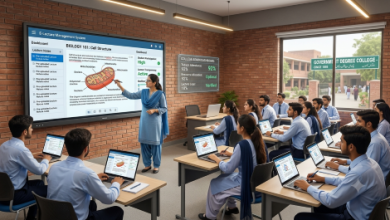
 Smart classrooms or “cyber schools” represent a modern learning environment where education merges seamlessly with technology. Equipped with projectors, laptops, and specialized educational CDs, these classrooms transcend the traditional boundaries of teaching. In countries like Japan and Singapore, robots are already being trialed as teaching assistants, heralding a potential future where teachers may share their responsibilities with AI. Although there is no direct replacement for the emotional and intellectual value a human teacher imparts, such advancements emphasize the need for educators to adapt. In smart classrooms, educational content is no longer confined to textbooks but is presented through animations, interactive slides, and digital simulations that enrich the learning experience. Educational institutions are integrating computer graphics, animation, and other digital tools to make subjects such as science, mathematics, and social studies more engaging. While initially an arduous task, the creation of these digital resources has proven invaluable for delivering high-quality content on a national scale, creating a standardized yet adaptive model of education. As students transition from school to college, they step into a critical phase of intellectual and personal development. For many, this period includes exposure to the influence of internet culture and social media. In this regard, colleges must not only support academic development but also guide students in responsible digital citizenship. College e-classrooms, equipped with laptops, projectors, and internet access, allow teachers to enhance traditional teaching methods with technology. PowerPoint presentations and multimedia content can significantly enhance the understanding of complex concepts, especially in scientific and technical subjects.
 Digital libraries, equipped with a variety of topic-based CDs and research resources, further aid in expanding students’ horizons beyond the printed word. Additionally, with modern social media platforms like Facebook and Twitter, colleges can create academic groups where students interact, share resources, and engage in discussions, thereby fostering a collaborative learning environment. When used responsibly, social media channels can serve as an extension of the educational environment, allowing students to remain engaged even beyond the classroom. Teaching is not merely a profession; it is a vocation dedicated to the dissemination of knowledge and wisdom. In this technologically advanced era, it is essential for educators to integrate modern teaching aids while retaining the core values of education. Digital tools like PowerPoint should not merely be used for “copy-paste” presentations; rather, educators should employ them as interactive supplements to their teaching methodologies. Effective use of technology requires educators to understand not only the tools but also the individual needs of their students. Teachers’ roles must evolve to meet the complexities of modern education. This entails not just delivering lectures but also fostering an environment that nurtures curiosity, resilience, and ethical understanding. In this regard, teachers act as mentors, integrating both traditional values and contemporary skills to create a well-rounded learning experience.
Read: What is a Smart Classroom and its advantages?
While modern educational tools like smartboards have transformed classrooms, true educational progress lies not in replacing one teaching tool with another but in evolving the entire curriculum. Donald Norman’s concept of skeuomorphism describes the way technology can simulate real-world interaction, allowing students to learn intuitively and without restrictions. Modern digital platforms should, therefore, promote creativity and innovation, going beyond rote learning and enhancing students’ problem-solving skills. The preparation of digital curriculum and interactive pedagogies is crucial in making learning more relevant and engaging. Resources such as digital textbooks, online courses, and educational apps provide additional learning opportunities and allow for personalized learning paths. Teachers, therefore, must not only deliver content but also act as facilitators who guide students through a self-driven learning journey.
 Countries around the world are updating their educational systems to meet the demands of the modern workforce. China, for instance, has recently introduced a range of new academic disciplines in response to national and global needs, including fields like future robotics, data science, and rural governance. By integrating these cutting-edge subjects into their curriculum, China aims to develop talent equipped for advancements in artificial intelligence and sustainable development. Similarly, initiatives such as China’s “Made in China 2025” project underline the strategic role education plays in national growth. These specialized fields contribute to the global economy, and by introducing subjects related to robotics, rural governance, and biomaterials, China’s educational system aligns itself with future workforce requirements. For countries like Pakistan, there is a significant opportunity to learn from such models, especially in incorporating courses that foster innovation and meet local industry needs.
Read – The Unseen Power: Bridging Gaps in Modern Education and Elevating Our Teachers
The transformation of education through technology has made learning more accessible, interactive, and personalized. However, it is essential to balance digital advancements with human values and interpersonal connection. Teaching remains an art, one that cannot rely solely on the conveniences of modern technology. Educational institutions and educators must strive to understand and respond to students’ unique needs, emotions, and learning styles to create a truly “smart” classroom. As we move further into the 21st century, education will continue to evolve. However, the ultimate goal should remain constant: to cultivate individuals who are knowledgeable, empathetic, and capable of critical thinking. By integrating technology with a humanistic approach, we can ensure that future generations receive an education that is not only informative but also transformative.
Read – Fostering Creativity in the Education System: A Revolution Waiting to Happen
_________________
 Hailing from Village Mir Muhammad Banbhan, Taluka Mirwah, District Khapurpur and based in Karachi, the capital of Sindh, Nisar Banbhan is a seasoned professional with nearly 25 years of multifaceted experience, encompassing 3 years in journalism and over two decades of service in a public sector organization. His extensive expertise spans content creation, scriptwriting, screenwriting, lyrics, poetry, and storytelling across multiple languages, including Sindhi, Urdu, and English. Nisar has honed his skills in writing articles, columns, and short stories, contributing to various national and regional media outlets. Additionally, he brings a deep understanding of program development, educational advocacy, and strategic planning, having led initiatives that promote quality education and foster community empowerment. His passion for literature and education merges seamlessly, enabling him to craft impactful narratives that resonate with diverse audiences while driving meaningful change in society.