

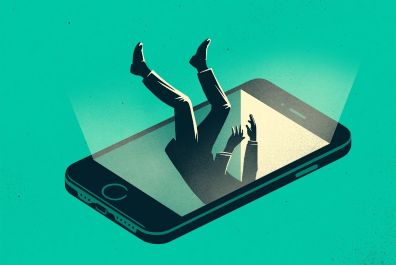
Digital technology will continue to shape the future of human society. Its benefits are undeniable, but so are its potential risks when used excessively.
Recognizing digital addiction as a modern challenge is the first step toward addressing it.
Prof. Dr. Abdullah G Arijo
In the 21st century, humanity has witnessed an unprecedented technological revolution. Smartphones, social media platforms, online games, and streaming services have transformed the way people communicate, learn, and entertain themselves. While these digital tools have brought remarkable convenience and connectivity, a new and less visible problem is quietly emerging across the world: digital addiction, often described as “digital drug addiction.”
The phrase may sound dramatic, but many psychologists and neuroscientists believe it accurately reflects the nature of excessive digital dependence. Just like chemical drugs, digital technologies can stimulate the brain’s reward system and create patterns of compulsive behaviour. What begins as a harmless habit of checking messages or scrolling through social media can gradually evolve into a powerful dependency that affects mental health, productivity, and social relationships.
Digital addiction refers to the compulsive and uncontrolled use of digital devices, including smartphones, computers, video games, and social networking platforms. Unlike traditional substance addiction, this dependency does not involve chemicals entering the body. Instead, it operates through behavioural mechanisms that influence the brain in surprisingly similar ways.
When a person receives a notification, a “like,” or a new message, the brain releases dopamine, a neurotransmitter associated with pleasure and reward. This small burst of satisfaction encourages the user to repeat the behaviour. Over time, the brain begins to crave these digital rewards, leading individuals to check their devices repeatedly—even without any real necessity. This cycle of reward and repetition is remarkably similar to the mechanisms involved in gambling or substance addiction.
Read: What is Technology Addiction?
One of the major reasons digital addiction is spreading so rapidly is the design of modern digital platforms. Social media companies and app developers use sophisticated algorithms to maximize user engagement. Features such as endless scrolling, personalized recommendations, and constant notifications keep users interacting with their screens for extended periods. These systems are carefully engineered to capture attention and sustain it as long as possible.
Another contributing factor is the psychological environment of modern life. Many individuals turn to digital platforms as a form of escape from stress, loneliness, boredom, or anxiety. Online spaces offer instant entertainment, social validation, and temporary relief from daily pressures. However, the more frequently people rely on digital platforms for emotional comfort, the stronger the habit becomes.
The COVID-19 pandemic further accelerated this trend. Remote work, online education, and virtual communication significantly increased screen time across the globe. While these technologies helped societies function during lockdowns, they also deepened people’s dependence on digital devices.
The symptoms of digital addiction can appear in various forms. Individuals may feel an uncontrollable urge to check their phones every few minutes. They may experience anxiety or irritability when they cannot access the internet or social media. Many people also struggle to limit their screen time despite recognizing its negative consequences.
Excessive digital use can also produce several physical and psychological health problems. Sleep disturbances are among the most common effects, particularly when individuals use smartphones late at night. The blue light emitted by screens can disrupt natural sleep cycles, leading to insomnia and fatigue. Prolonged screen exposure may also cause eye strain, headaches, and neck or back pain.
On a psychological level, digital addiction has been linked with increased risks of anxiety, depression, and reduced self-esteem. Constant comparison with carefully curated online lifestyles may create unrealistic expectations and feelings of inadequacy, particularly among adolescents and young adults.
The impact of digital addiction extends beyond individual health; it also affects social relationships and community life. Ironically, although digital technologies connect people across continents, excessive screen use can weaken real-life interactions. Families may sit together while each member remains absorbed in a separate digital world. Friends meeting in cafés may spend more time looking at their phones than engaging in conversation.
Educational institutions are also witnessing the effects of digital distraction. Many teachers report declining attention spans among students who are accustomed to the rapid stimulation of digital media. Continuous multitasking between study and social media reduces concentration and may negatively influence academic performance.
Despite these challenges, technology itself is not the enemy. Digital tools have enormous potential to support education, innovation, and global collaboration. The real issue lies in how people use technology. The solution is not to abandon digital devices but to develop healthier and more mindful digital habits.
One effective approach is the practice of digital detox, where individuals intentionally disconnect from devices for certain periods each day. Limiting screen use before bedtime can significantly improve sleep quality. Creating technology-free zones at home—such as dining tables or bedrooms can also encourage more meaningful family interaction.
Parents and educators have a particularly important role in guiding young people toward responsible technology use. Teaching digital literacy and self-control can help students understand both the benefits and risks of digital environments.
Outdoor activities, reading, sports, and face-to-face social engagement remain essential for maintaining a balanced lifestyle. These experiences stimulate the mind and body in ways that digital interactions cannot fully replace.
Digital technology will continue to shape the future of human society. Its benefits are undeniable, but so are its potential risks when used excessively. Recognizing digital addiction as a modern challenge is the first step toward addressing it.
Ultimately, the goal should not be to reject technology but to ensure that it remains a tool serving human progress rather than a force controlling human behaviour. By practicing moderation, awareness, and discipline, individuals can enjoy the advantages of the digital world without becoming trapped in its invisible chains.
Read: AI-Powered Medicine: Future Awaits Pakistani Students
_________________________
 Dr. Abdullah G. Arijo is an academic and science writer committed to inspiring Pakistani youth to pursue emerging scientific fields and research-driven careers.





The article discusses digital addiction, comparing it to drug addiction due to its impact on the brain’s reward system. It highlights how digital technologies can lead to compulsive behavior, affecting mental health, productivity, and social relationships.
The article discusses digital addiction, comparing it to drug addiction due to its impact on the brain’s reward system. It highlights how digital technologies can lead to compulsive behavior, affecting mental health, productivity, and social relationships