Social stigma in Pakistani society has surrounded mental health issues
- Mental health problems are often viewed as a sign of weakness or personal failures, leading to discrimination and social exclusion
By Nazarul Islam | USA
More than 25 million Pakistanis suffer from some form of mental health conditions. This segment of population constitutes nearly 10% of the country’s population. How is the reality impacting us? A nation which has long remained on the verge of being a failed state, is finding itself incompatible to deal with the emerging situation. Perhaps the only reason is Pakistan has the lowest psychiatrist-to-person ratio in the world.
Young people in Pakistan continue to be exposed to chronic adversities including violence, social and economic inequalities, and are at greater risk of developing mental health problems. To make the situation worse, there is a lack of trained human resources, in-patient child and adolescent mental healthcare facilities, and training opportunities in child and adolescent psychiatry along with mental health, in Pakistan.
Given the impoverished economic condition of the country, which has grossly disintegrated in the aftermath of COVID-19 pandemic, it is very unlikely that dedicated resources will be made available in near future. Our lack of will in developing specialist child and adolescent mental health services in Pakistan, has stretched a little, too far.
To bridge this treatment gap, Pakistan is drastically looking for a multitier, trans-diagnostic, task-shifting strategy-based model that may likely address child and adolescent mental health issues. A vast majority in the country has failed to recognize this malaise. How do we address a calamity of such proportions with a limited nationwide strength of 500 psychiatrists who work hard at ten psychiatric hospitals that exist in the country?
Pakistan’s low mental health literacy has not been recognized, nor its impact fully understood. Obviously this complacency has cost us heavily, and resulted in higher rate of mental illness in the population. What we need to understand better is that basic mental health literacy and disorders of mind matter most, and therefore deserve a nation’s immediate priority. A responsive society must recognize the need for urgency in treating, managing or preventing this malady.
People who suffer from mental illness in our society, are more than likely to come across prejudices associated with a stigma that is prevalent in people who are struggling with the illness. Therefore, health care community in the country needs to acquire a thorough understanding of symptoms, recognition and care. With perception developing over time, we can work together to initiate successful programs to eliminate this malaise.
Perhaps this could be achieved through focus on our evaluation of the norms, beliefs, and customs prevalent in the cultural domains of society. By virtue of extreme illiteracy prevalent in Pakistan, a large number of people have suffered from traditional beliefs in black magic, the evil eye illusions, or a belief that demons penetrate the body of a human being, taking over the mind. Perhaps, all this could be attributed to the causes of mental disorders. ‘Spiritual’ healers or quack doctors in rural societies have traditionally enjoyed a strong following and are frequently approached by people to address existing or imaginary medical or mental issues affecting their lives.
Pakistan is a country where poverty unemployment, displacement, and homelessness are continuously on the rise. Mental health has also shaped into a major health problem, of unexplained magnitude and gigantic proportions.
Unfortunately, limited studies have been conducted, based on the awareness and perception of mental health issues. My article therefore offers to less than a comprehensive review of mental health literacy amongst the Pakistani public, with regards to clinical depression, laying particular emphasis on the causes of the disease, its manifestations in a patient, effective measures of treatment, and the responses of victims’ families who run helplessly seeking advice or cure.
A variety of challenges are currently afflicting Pakistani youth, impacting their well-being and future prospects.
A significant number of young people in Pakistan, who are entering the job market have faced a scarcity of opportunities that are normally available to young men and women in developed countries. Educated young men and women in Pakistan have struggled to find jobs that matched their qualifications. This is further compounded by a gap between the skills they possess and those demanded in the job markets.
What are the economic pressures leading to our nation’s exodus in great numbers—something we now like to refer as the ‘brain drain’? Higher inflation rates and low wages in Pakistan have made it difficult for young people to achieve financial stability. This also has shaped into a lethal combination, in the face of very limited employment opportunities.
All this has led to a sense of disillusionment, compelling talented individuals to seek better prospects abroad, thereby robbing the nation of skilled manpower and further impacting the country’s gradual rise into prosperity.
Access to capital and resources for young entrepreneurs is extremely limited, which has hindered their ability to create businesses and generate employment opportunities for themselves and the industry.
While Pakistan has traditionally offered a free, compulsory education for children aged 5-16, a substantial portion of school going children remain outside their prescribed educational institutions. Access and quality has varied significantly, in the light of long existing urban and rural divides.
Public schools, known as government institutions that are located in rural and remote, underdeveloped areas, have historically suffered due to inadequate facilities, shortage of qualified teachers, offering students a totally outdated curricula—all of which have hindered the development of essential skills in Pakistan.
Why has the country failed to provide access to higher education to the country’s youth? High tuition fees and insufficient financial aid has restricted access to higher education or programs available for talented individuals, particularly from underprivileged backgrounds. Training of teachers is skimpy and often highly inadequate.
Even access to published material or computer based skills are insufficient or outdated to enable students to compete with overseas students.
There however exists an immense pressure on rural students to succeed. Pakistani youth have continued to face immense pressures from family and the society to develop their skills, performance and output in order to excel academically, professionally, and socially. All of these combined together have become very challenging, leading the students to exhausted and frustrated.
In the face of pressures, students of intermediary and higher learning institutions have embraced a sense of anxiety together with feelings of inadequacy. Cultural values and the guilt of losing “izzat” (honor) can also add to their burden.
Mental health issues like anxiety, depression, and stress are prevalent among Pakistani youth, but the stigma surrounding mental illness has prevented individuals from seeking help. Very little or negligible help trickles their way, in a tug of war situation. A lack of adequate mental healthcare facilities in the country offer small remedy or produce freshly trained professionals.
While social media has offered benefits, it also negatively impacted youth mental health through exposure to unrealistic ideals, cyberbullying, resulting in a decline in their ability to maintain face-to-face interactions. Hence, thus has contributed to a sense of isolation and impact cultural values.
Many young people in Pakistan particularly from marginalized communities, have faced social exclusion based on ethnicity, religion, or socioeconomic status, further limiting their opportunities. This has also led to group and societal anxieties.
Pakistan’s continued history of political unrest and perceivable corruption have eroded trust in institutions and largely contributed to an atmosphere of uncertainty, thereby removing human capital and impacting national development and economic growth.
Youth in our country has remained unrepresented, lacks engagement in the political process being limited in their scope of initiatives—all leading to a sense of disempowerment and disconnection from ongoing decision-making at various levels of academic and professional growth.
Addressing these complex and interconnected issues has always required a multi-pronged and coordinated approach involving governmental reforms, investment in education and skill development, promotion of entrepreneurship, accessible mental health support, and fostering social inclusion and youth participation. Our efforts in this direction have remain elusive and farfetched, because access to opportunities are either not available or have been denied.
In recent years, Pakistan has witnessed a growing concern over the mental health of youth population, particularly related to depression, which is a condition often characterized by persistent feelings of sadness, anxiety, and fatigue.
The significance of this issue is amplified when considering the high rate of unemployment among young adults in the country. This has also led to a situation that not only has exacerbated the obvious symptom, but has also posed a significant challenge to the overall well-being and productivity of the nation.
Understanding the multifaceted relationship between unemployment and depression is crucial, as it sheds light on the broader impact of economic challenges on individual mental health, thereby suggesting the importance of interventions aimed at addressing these interconnected issues.
My article has delved into the prevalence and underlying causes of depression among the youth in Pakistan. It has focused on how unemployment has contributed directly to the deterioration of mental health. This piece also examines the economic and social factors that influence the mental well-being of individuals, highlighting the symptoms of depression such as anxiety and fatigue, and the role of mindfulness and optimized brain function in mitigating these adverse effects.
Furthermore, as a writer, I have explored potential solutions and interventions, including the application of depression tests, other and mindful practices as well as preventive measures. The role of policy and community support also becomes a matter of deeper attention, because this has offered insights into the modality of collective efforts. All this can aid in addressing the hidden costs of our mental health disabilities. All this may likely and ultimately pave the way towards a more resilient and psychologically healthy society.
Again, I would like to discuss in greater detail, the causes of mental health issues in Pakistan. Unfortunately, in our country, the prevalence of depressive symptoms among university students is notably high at 42.66%, with significant variations across different fields of study. Students in non-medical majors experience a higher prevalence of depression at 53.59% compared to their counterparts in medical fields, who report a lower prevalence of 36.90%. This disparity has highlighted the intense academic pressures and competitive environment that are contributing to mental health issues among the youth.
What are the contributing factors?
Several factors exacerbate the mental health crisis among Pakistani youth. Academic stress is a predominant issue, with the pressure to achieve high grades and further secure employment or post-graduation programs that may take a toll on students’ mental well-being
Additionally, the lack of psychological and career counseling services at universities, coupled with societal stigma around mental health, has prevented many from seeking help that is badly needed. Family dynamics and societal expectations also play a critical role, as are seen in cases where familial favoritism and gender disparities have led to psychological distress.
Unemployment in Pakistan has significantly heightened stress and anxiety levels among the youth. Studies indicate that the lack of employment is directly linked to increased mental health issues such as anxiety and stress
The mean anxiety levels in our country are notably higher in unemployed individuals (5.300) compared to those employed (3.680), which highlights the profound impact that our nation’s unemployment has had on mental well-being of people.
The direct relationship between unemployment and depression is particularly alarming. Unemployed individuals exhibit higher rates of depression symptoms compared to their employed counterparts, with mean depression values reported at 4.760 for unemployed individuals versus 3.420 for those employed 6. This trend has further underscored a critical need for targeted mental health interventions in populations affected by unemployment.
Again, Unemployment has not only affected individuals but also had a profound impact on family dynamics. Families experiencing unemployment are likely to be faced with increased poverty, hardships, and strained relationships. The stress of unemployment can lead to poorer health outcomes, although the specific causal relationships are complex and multifaceted
Additionally, housing stress further accelerated consequential harm, affecting children’s development in all spheres of Pakistani society. These are some of the significant concerns that arise from prolonged unemployment within families
The economic challenges in Pakistan are exacerbated by a high cost of living, significantly impacting the youth and their families. Lately, Inflation had surged to 24%, that led to economic instability and short-lived growth cycles in the country.
The rising demand and low productivity have resulted in increased imports and subsequent balance of payments crises. Furthermore, fiscal crises did arise when government spending increased without a corresponding rise in revenue, thereby compounding Pakistan’s economic challenges
Pakistan’s educational system has faced traditional and many folded hurdles, as a result of only 43% of the population that is reported to have a formal education
The limited access to quality education and vocational training has hampered economic productivity and skills development. Additionally, the youth literacy rate stands at only 57%, which is well below the global average. This further indicates a severe lack of essential skills in the countr, particularly in critical sectors of agriculture and industry.
This deficiency in the educational system has contributed to prolonged unemployment and under employment among the youth in Pakistan.
Social stigma in Pakistani society has surrounded mental health issues. It is also a significant barrier in the country. Mental health problems are often viewed as a sign of weakness or personal failures, leading to discrimination and social exclusion
This stigma prevents individuals from seeking help and has contributed to a lack of investment in mental health systems, by policymakers and donors. Moreover, the lack of a comprehensive mental health policy and poor institutional infrastructure further have offered little or no incentive to address a major humanitarian issue of mental illness in Pakistan.
Read: Trapped in a Vicious, Tribal Culture
_________________
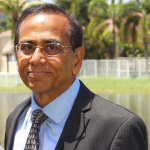 The Bengal-born writer Nazarul Islam is a senior educationist based in USA. He writes for Sindh Courier and the newspapers of Bangladesh, India and America. He is author of a recently published book ‘Chasing Hope’ – a compilation of his articles.