


Pakistan’s fuel crisis serves as a stark reminder of the vulnerabilities associated with energy dependence and economic fragility.
- The most immediate manifestation of this crisis has been a dramatic escalation in fuel prices. The sharp increases have placed immense pressure on households already grappling with high inflation.
Dr. Abdullah G. Arijo
Pakistan’s fuel crisis stems from chronic dependence on imported energy, weak infrastructure, and financial mismanagement, leading to severe economic instability, inflation, and social unrest. The consequences ripple across households, industries, and national development, making it one of the most pressing challenges for Pakistan’s future.
Pakistan is currently confronting one of the most severe fuel crises in its history, characterized by unprecedented price escalations, supply uncertainties, and intensifying economic strain. This crisis is not a transient fluctuation; rather, it is a multifaceted phenomenon rooted in global geopolitical developments, structural deficiencies within the energy sector, and persistent domestic economic challenges.
A central factor underlying the crisis is Pakistan’s heavy reliance on imported fuel. The country imports approximately 90% of its oil, primarily from the Gulf region, rendering it highly vulnerable to external shocks and disruptions in global supply chains. Ongoing geopolitical tensions in the Middle East, particularly those affecting strategic transit routes such as the Strait of Hormuz, have significantly constrained oil supply. Consequently, international oil prices have surged, directly translating into higher domestic fuel costs.
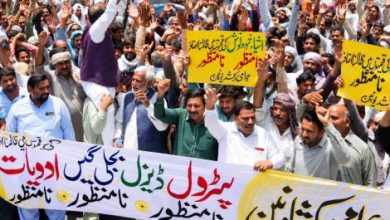
The most immediate manifestation of this crisis has been a dramatic escalation in fuel prices. In April 2026, Pakistan saw record increases, with petrol prices exceeding Rs.450 per liter and diesel surpassing Rs.520 per liter, representing rises of over 40–50% in a short period. These sharp increases have placed immense pressure on households already grappling with high inflation.
The economic repercussions are profound and far-reaching. Fuel serves as a critical input in transportation, agriculture, and industrial production. Therefore, rising fuel costs trigger a cascading effect across multiple sectors. Transportation expenses rise, driving up the prices of essential commodities, particularly food items. Farmers face elevated costs for operating machinery and irrigation systems, while industries encounter increased production expenditures. As a result, inflation accelerates, eroding purchasing power and pushing a larger segment of the population below the poverty line.
The social implications of the crisis are equally concerning. Reduced affordability of fuel has led to decreased mobility, as individuals limit travel to essential needs. Public dissatisfaction is mounting, particularly among low-income groups who bear a disproportionate share of the burden. In response, authorities in certain regions have introduced emergency interventions, such as subsidized or free public transport and targeted financial assistance. However, such measures are typically short-term and place additional strain on already constrained fiscal resources.
A critical dimension of the crisis lies in the government’s fiscal limitations. Historically, Pakistan has relied on fuel subsidies to shield consumers from global price volatility. However, given limited fiscal space and commitments to international financial institutions, the government has been compelled to scale back or eliminate these subsidies. While economically rational, this policy shift has effectively transferred the burden of rising fuel costs directly onto consumers, exacerbating socioeconomic hardships.
Moreover, the crisis exposes long-standing structural weaknesses within Pakistan’s energy sector. Persistent issues such as circular debt, inefficient transmission and distribution systems, and excessive dependence on imported fossil fuels have rendered the energy framework inherently fragile. Despite having adequate installed power generation capacity, financial and operational inefficiencies hinder optimal utilization, contributing to recurring challenges such as load shedding.
In response, the government has implemented various austerity and conservation measures aimed at reducing fuel consumption. These include reduced working days, promotion of remote work practices, and temporary closure of educational institutions. Additionally, strategic initiatives—such as efforts to secure oil supply routes underscore the growing importance of energy security in the prevailing geopolitical context.
Amid these challenges, the crisis has also catalyzed certain positive transformations. Notably, there has been a rapid expansion in the adoption of renewable energy, particularly solar power. Escalating fuel and electricity costs have incentivized households and businesses to invest in solar energy systems, thereby reducing reliance on the national grid and imported fuels. This transition not only offers immediate economic relief but also represents a viable long-term pathway toward energy sustainability and resilience.
Looking ahead, addressing Pakistan’s fuel crisis necessitates a comprehensive and multi-pronged strategy. First, diversification of energy sources is imperative. Increased investment in renewable energy, such as solar, wind, and hydropower, can significantly reduce dependence on imported oil. Second, enhancing energy efficiency and minimizing transmission losses are essential for improving overall system performance. Third, structural policy reforms aimed at curbing circular debt and strengthening regulatory frameworks are crucial for ensuring sustainable energy governance.
Furthermore, regional cooperation and proactive diplomatic engagement are vital to mitigating external risks associated with global energy markets. The development of strategic fuel reserves and the negotiation of long-term supply agreements can provide a buffer against sudden supply disruptions.
In conclusion, Pakistan’s fuel crisis serves as a stark reminder of the vulnerabilities associated with energy dependence and economic fragility. While the current situation poses significant challenges, it also presents an opportunity for meaningful reform. The policy choices made today will determine whether Pakistan continues to face recurring energy crises or successfully transitions toward a more secure, sustainable, and resilient energy future.
Read: De-dollarization: Causes and Effects
_____________________
 Dr. Abdullah G. Arijo is an academic and science writer committed to inspiring Pakistani youth to pursue emerging scientific fields and research-driven careers.



rattarmuzamil@gmail.com
Zbrdst article, gain informative
That’s great article
Very informative sir
Informative
MashAllah Great❤️Intreasting Article❤️Sir