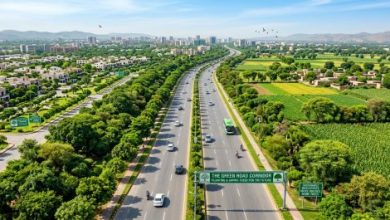
Environmental and weather concerns in Sindh are serious and long-term. Floods, droughts, heatwaves, pollution, and water scarcity threaten lives and livelihoods
Hasaan Shaikh
Sindh, one of the most important provinces of Pakistan, has a unique geographical position. It is home to the Indus River, fertile agricultural lands, deserts, coastal areas, and large urban centers such as Karachi and Hyderabad. While Sindh plays a vital role in Pakistan’s economy, especially through agriculture, industry, and trade, it also faces serious environmental and weather-related challenges. These problems have grown more intense in recent years due to population growth, climate change, weak planning, and poor environmental management.
Environmental and weather concerns in Sindh affect not only nature but also human health, agriculture, water resources, and economic stability. Floods, droughts, extreme heat, pollution, water scarcity, and coastal degradation are among the most serious issues. Understanding these challenges is essential for finding long-term solutions and ensuring sustainable development in the province.
Geographical Background of Sindh
Sindh is located in the southern part of Pakistan. The Indus River flows through the province from north to south and is the main source of water for agriculture and daily use. Sindh also includes arid regions such as the Thar Desert, fertile plains, and a long coastline along the Arabian Sea.
This diverse geography makes Sindh vulnerable to different types of environmental and weather problems. Riverine areas face floods, desert regions suffer from drought, and coastal areas are threatened by sea intrusion. Because many people depend directly on natural resources for their livelihood, environmental changes have a strong impact on society.
Climate Change and Its Impact on Sindh
Climate change is one of the biggest environmental challenges facing Sindh today. Rising global temperatures have disturbed traditional weather patterns. Summers are becoming hotter, winters shorter, and rainfall more unpredictable.
Climate change has increased the frequency of extreme events such as heatwaves, heavy rainfall, floods, and long dry spells. These changes affect agriculture, water availability, and public health. Poor communities are the most affected because they lack resources to protect themselves from environmental disasters.
Flooding in Sindh
Floods are a recurring problem in Sindh. During the monsoon season, heavy rainfall in upper regions of the Indus River can cause water levels to rise rapidly. When rivers and canals overflow, nearby villages, towns, and farmlands are flooded.
Read: Effects of Climate Change on Sindh Province
Floods cause massive destruction. Crops are washed away, livestock die, homes collapse, and roads and bridges are damaged. Many families are forced to leave their homes and live in temporary shelters. Floods also spread waterborne diseases due to contaminated drinking water.
Poor drainage systems make the situation worse. In cities like Karachi, even light rainfall can cause severe flooding because rainwater has no proper exit.
Drought and Water Scarcity
While floods affect some regions, other parts of Sindh suffer from drought and water shortages. Areas such as Tharparkar and parts of upper Sindh often experience long dry periods.
Water scarcity is caused by low rainfall, poor water management, population growth, and unequal water distribution. Many rural communities struggle to access clean drinking water. Drought reduces crop production, causes livestock deaths, and increases poverty and migration.
Heatwaves and Extreme Temperatures
Sindh is one of the hottest regions in Pakistan. Heatwaves have become more frequent and intense. Cities like Jacobabad and Karachi often record extremely high temperatures.
Heatwaves cause serious health problems such as heatstroke, dehydration, and death. High temperatures also increase electricity demand, leading to load-shedding and water shortages.
Sea Intrusion and Coastal Degradation
Coastal areas of Sindh face sea intrusion due to reduced freshwater flow in the Indus River. Seawater damages fertile land by increasing soil salinity.
Fishing communities suffer because marine life is disturbed. Mangrove forests, which protect coastal areas, are also declining.
Pollution in Sindh
Air pollution from vehicles and industries affects public health, especially in cities. Water pollution from sewage and industrial waste contaminates rivers and canals.
Poor waste management creates unhygienic conditions and blocks drainage systems, increasing flood risks.
Impact on Agriculture and Food Security
Environmental problems directly affect agriculture. Floods, droughts, and heat reduce crop yields and damage farmland.
Soil salinity and waterlogging reduce land fertility, threatening long-term food security.
Impact on Human Health
Environmental issues cause diseases such as malaria, diarrhea, and respiratory problems. Heatwaves and polluted water increase health risks.
Poor communities suffer the most due to limited access to healthcare.
Government and Community Role
The government has introduced climate and disaster policies, but weak implementation limits success. Communities and NGOs help through awareness and relief work.
Environmental and weather concerns in Sindh are serious and long-term. Floods, droughts, heatwaves, pollution, and water scarcity threaten lives and livelihoods. Strong planning, public awareness, and sustainable resource management are essential for a safer future.
Read: Climate Change Effects on Personal Life
____________________________
Hasaan Shaikh is based in Karachi Sindh
Email: shykhhassan596@gmail.com