The Spectrum of Leadership
Understanding Good, Bad, and Average Leadership in a Changing World


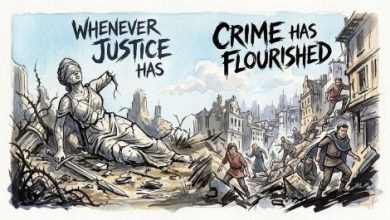
Leadership is not a status; it is a responsibility. The leaders we choose, tolerate, or ignore shape our futures more than we realize
By Abdullah Usman Morai | Sweden
The Unseen Force That Shapes Our Lives
Leadership is one of the most powerful yet intangible forces that shape the world. From political governments to corporate boardrooms, school classrooms to community councils, the kind of leadership at the helm determines the direction, speed, and ethics of progress. But not all leaders are equal. Some transform societies, some destroy them, and many simply maintain the status quo. In today’s world of constant crises, rapid technological shifts, and widening inequality, understanding the spectrum of leadership—good, bad, and average—is more important than ever.
This article explores the characteristics, consequences, and examples of different types of leadership across domains, drawing lessons from history and contemporary society. It also poses a question we must all grapple with: In times that demand greatness, can we afford average leadership?
- What Makes a Leader Good, Bad, or Average?
Good leadership is not merely about charisma or decision-making speed; it is about vision, ethics, empathy, and long-term impact. A good leader doesn’t just manage people; they inspire them. They are courageous enough to make unpopular but necessary decisions, humble enough to listen, and wise enough to adapt.
Bad leadership, on the other hand, is often characterized by corruption, self-interest, poor judgment, authoritarianism, and disregard for the collective good. These leaders may rise through manipulation, maintain power through fear, and eventually leave behind a legacy of damage.
Average leadership sits in between—mediocre, safe, status-quo-maintaining, risk-averse. While not actively harmful, average leaders often lack the courage or creativity to address complex problems. Their inaction can, over time, be as harmful as bad leadership.
- Case Study – Political Leadership
Let’s consider political leadership, where decisions impact millions.
Good Leadership: Nelson Mandela, despite being imprisoned for 27 years, emerged not with vengeance but with a vision for reconciliation and democracy. As South Africa’s first Black president, he led the nation away from the brink of civil war, emphasized unity, and left a lasting legacy of peacebuilding.
Bad Leadership: Adolf Hitler. Hitler’s rise to power in Germany during the 1930s is one of the most tragic examples of how bad leadership can lead to catastrophic consequences. His toxic nationalism, propaganda, and authoritarian rule led to World War II and the Holocaust, causing tens of millions of deaths and irrevocable trauma to humanity.
Average Leadership: Pakistan’s Political Rotation. In Pakistan, we often see a cycle of leadership that is neither transformative nor entirely corrupt—a series of average leaders maintaining the status quo. Many politicians focus on short-term gains, appeasing allies, and surviving politically, instead of reforming education, justice, or economic systems. This mediocrity has led to stagnation, brain drain, and public disillusionment.
- Leadership in Business and Corporate World
In the corporate sector, leadership determines innovation, culture, and resilience.
Good Leadership: Satya Nadella (Microsoft) When Satya Nadella became CEO of Microsoft in 2014, he brought a cultural and technological shift. Moving away from a combative style, he introduced empathy, collaboration, and a growth mindset. Under his leadership, Microsoft revived its relevance in the cloud and AI space, becoming one of the most valuable companies globally.
Bad Leadership: Elizabeth Holmes (Theranos) Holmes, once celebrated as a tech visionary, built a multibillion-dollar health tech company based on false promises. Her leadership, built on deception, lack of transparency, and overconfidence, led to financial losses, reputational damage, and serious health risks for patients.
Average Leadership: Nokia Pre-2008. Once a leader in mobile phones, Nokia lost its edge due to complacency and slow decision-making. The leadership failed to adapt to the smartphone revolution, and despite having the resources, they could not innovate fast enough. This average leadership approach eventually cost the company its global dominance.
- Leadership in Education and Institutions
Educational institutions are breeding grounds for future citizens and leaders. The quality of leadership here shapes society for decades to come.
Good Leadership: Dr. Abdul Qadeer Khan (As a Mentor) Beyond his controversial legacy in nuclear science, many remember Dr. A.Q. Khan as a mentor who inspired hundreds of young scientists in Pakistan. His leadership in scientific education helped build institutions and foster a culture of research.
Bad Leadership: Ghost teachers in Rural Sindh. In many parts of rural Sindh, Pakistan, schools have ghost and absentee teachers appointed through political favoritism. This kind of negligent leadership robs generations of their right to education and is a silent destroyer of futures.
Average Leadership: Public Universities with Passive Administration. While not corrupt, many public universities in South Asia suffer from passive leadership that resists change. They follow outdated curricula, ignore teacher development, and delay necessary reforms. Their failure to keep up with global academic standards leads to unemployable graduates and declining institutional credibility.
- Traits and Tests of Leadership During Crisis
A true test of leadership emerges in times of crisis.
Good Leadership Example: Jacinda Ardern (New Zealand) During the Christchurch terror attack and the COVID-19 pandemic, Ardern showed calm, compassion, and clarity. Her swift action, transparent communication, and emotional intelligence made her a globally admired leader.
Bad Leadership Example: COVID-19 Denialism Several leaders across the world downplayed the COVID-19 pandemic, leading to preventable deaths. For example, Brazil’s former president Jair Bolsonaro mocked health protocols and dismissed expert advice, contributing to one of the highest death tolls globally.
Average Leadership in Crisis: Bureaucratic Delay. Average leadership in a crisis often means indecision. In times of flooding, power outages, or natural disasters in many parts of South Asia, we witness a lack of coordination and sluggishness from local leaders who wait for directives rather than taking initiative. Their “non-action” causes unnecessary suffering.
- Cultural Perceptions of Leadership
Culture influences how leadership is perceived and exercised. In collectivist societies like Pakistan and India, leadership is often associated with age, status, or family name rather than competence. This cultural norm promotes dynastic politics and hierarchical organizations, where average or bad leadership can survive based on legacy rather than merit.
In contrast, Scandinavian countries often value consensus-building, transparency, and humility in leadership. Their social systems reward long-term planning and community welfare over individualistic ambitions.
- When Average Leadership Becomes Dangerous
While bad leaders are easy to criticize, average leaders are harder to spot and often more enduring. They blend in. But their lack of vision, unwillingness to reform, and tolerance for inefficiency allow deeper systemic problems to fester.
For example, average leadership in Pakistan’s public health system doesn’t necessarily involve grand corruption. It involves delayed procurement, poor hospital management, lack of training, and absence of innovation. Over time, these small inefficiencies compound into public mistrust and preventable deaths.
The real danger is that average leadership creates an illusion of stability while slowly eroding systems from within.
- How Can We Promote Good Leadership?
- Education and Values Training: Leadership should be taught from the school level, focusing on ethics, empathy, and responsibility.
- Merit-Based Promotions: Whether in politics or bureaucracy, systems should reward results, not loyalty or connections.
- Accountability Mechanisms: Transparent systems, independent media, and strong civil society must hold leaders accountable.
- Mentorship and Role Models: Institutions should foster mentorship programs where emerging leaders learn from transformative figures.
- Public Awareness: Citizens must learn to differentiate between performance and propaganda. Educated voting and civic participation are key.
A Call to Recognize and Demand Better Leadership
Leadership is not a status; it is a responsibility. The leaders we choose, tolerate, or ignore shape our futures more than we realize. Good leaders lift us; bad leaders break us; average leaders quietly let things decay. In a world confronting climate change, economic inequality, technological disruption, and moral confusion, we cannot afford to be led by the average.
We must demand more from our leaders and ourselves. Because every community, organization, and nation deserves leadership that not only solves problems but also inspires, transforms, and uplifts humanity.
Let us not settle for less.
Read – Digital Shopping: Click, Buy, Regret
_________________
 Abdullah Soomro, penname Abdullah Usman Morai, hailing from Moro town of Sindh, province of Pakistan, is based in Stockholm Sweden. Currently he is working as Groundwater Engineer in Stockholm Sweden. He did BE (Agriculture) from Sindh Agriculture University Tando Jam and MSc water systems technology from KTH Stockholm Sweden as well as MSc Management from Stockholm University. Beside this he also did masters in journalism and economics from Shah Abdul Latif University Khairpur Mirs, Sindh. He is author of a travelogue book named ‘Musafatoon’. His second book is in process. He writes articles from time to time. A frequent traveler, he also does podcast on YouTube with channel name: VASJE Podcast.