The Rooster City Hypothesis: Reimagining Mohenjo-daro through Iravatham Mahadevan’s Lens
- Until the Indus script is definitively deciphered, the true name of Mohenjo-daro will remain hidden
By Debasree Chakraborti | Kolkata
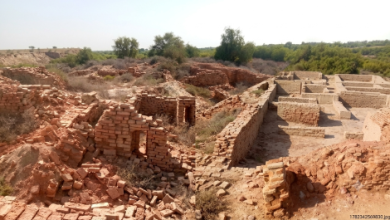
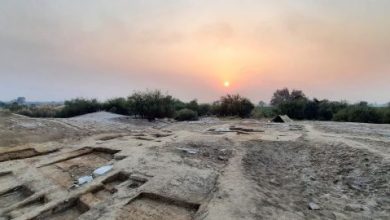
Among the many enigmas of the Indus Valley Civilization (IVC), the ancient city of Mohenjo-daro stands as one of the most profound. Flourishing around 2500 BCE in present-day Sindh, Pakistan, it represents one of the earliest examples of urban planning, sanitation, and civic organization. Yet, despite decades of excavation and study, one essential aspect remains unknown: its original name.
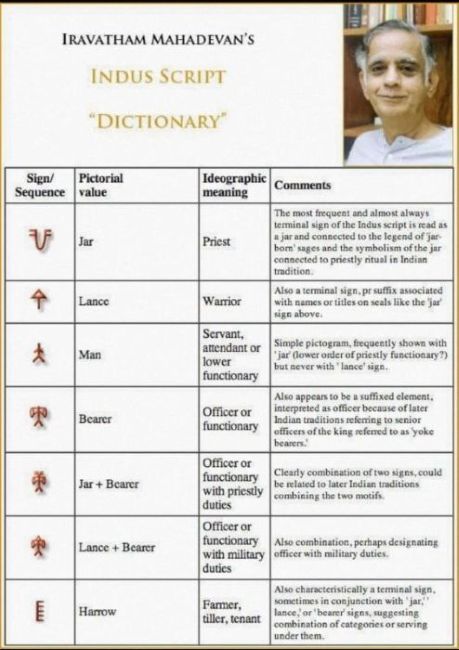 The absence of deciphered written records has left scholars dependent on indirect methods—archaeology, comparative linguistics, and symbolic interpretation, to reconstruct fragments of its identity. One of the most compelling attempts to restore this lost name came from the eminent Indus script expert Iravatham Mahadevan, who proposed the name “Kukkutarma”, meaning “the city of the cockerel” or “Rooster City.”
Mahadevan’s Linguistic Insight
Mahadevan’s hypothesis is rooted in a synthesis of epigraphy and Dravidian linguistics. He broke down the proposed term into two components:
kukkuta — meaning cockerel or rooster in several Indo-Aryan and Dravidian contexts
-rma — interpreted as a suffix denoting place, city, or settlement
Together, these elements form “Kukkutarma,” suggesting that Mohenjo-daro may once have been known as the city associated with the rooster.
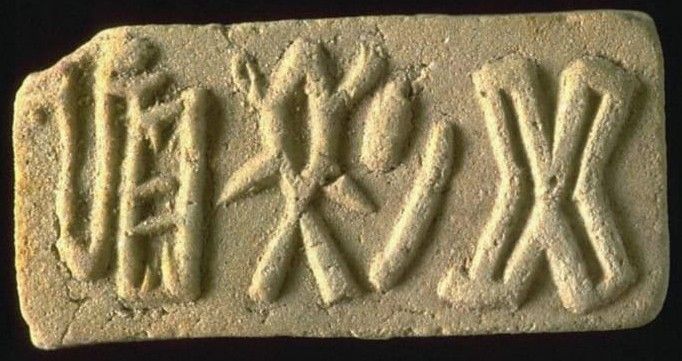
This reconstruction was not arbitrary. Mahadevan relied on the rebus principle, a method where symbols represent sounds or words based on phonetic similarity rather than direct depiction. Since the Indus script remains undeciphered, such approaches offer a plausible pathway to interpretation.
 The Rebus Principle and Indus Script
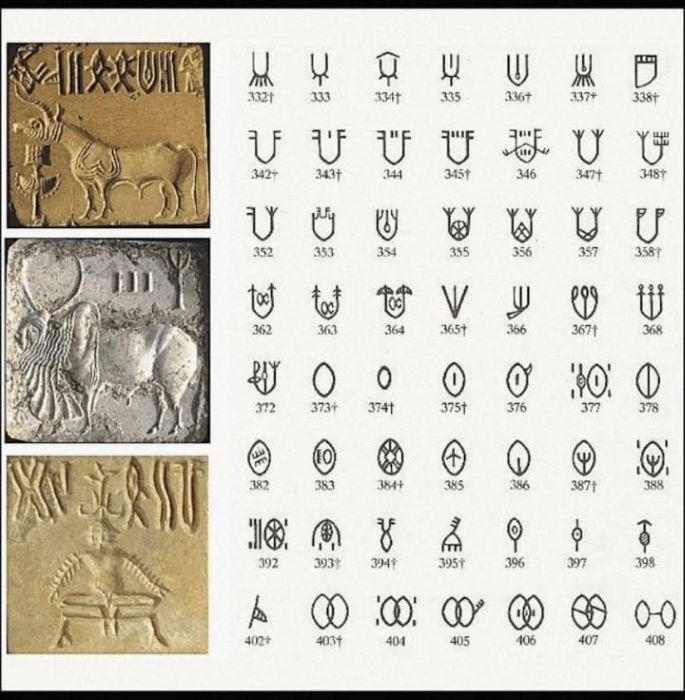
The Indus script, found on seals, pottery, and tablets, consists of hundreds of signs. Without a bilingual inscription (like the Rosetta stone), decipherment remains elusive.
Mahadevan and other scholars have suggested that many symbols may function rebus-like, where an image stands for a word that sounds similar to what the image depicts. For instance, a symbol resembling a rooster might not literally mean “rooster,” but could represent a word or concept phonetically linked to it in a Proto-Dravidian language.
Mahadevan’s broader research strongly supported the Dravidian hypothesis, which posits that the Indus script encodes an early form of Dravidian language, ancestral to modern languages like Tamil.
 The Cultural Significance of the Rooster
If Mohenjo-daro was indeed “Rooster City,” the implication is not trivial. The rooster may have held symbolic, ritualistic, or religious significance in the society. Across many ancient cultures, the rooster is associated with:
Dawn and awakening — a herald of light over darkness
Protection — believed to ward off evil spirits
Sacrifice and ritual — used in ceremonial offerings
Fertility and vitality — representing life cycles and renewal
In the context of the Indus Valley, this could suggest that chickens were not merely domesticated for food, but may have played a role in ritual practices or symbolic systems.
Archaeological Hints and Interpretive Limits
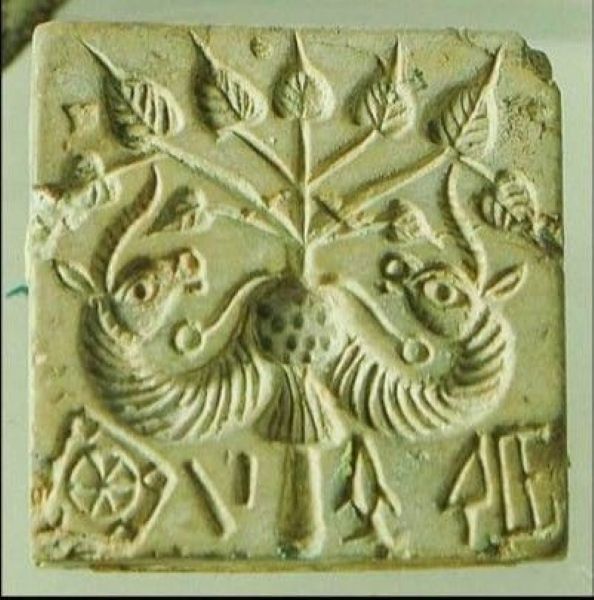
While seals depicting animals are abundant in the Indus Valley corpus—most famously the “unicorn” motif—clear depictions of chickens or roosters are comparatively rare and debated. This raises an important caution: Mahadevan’s hypothesis, while intellectually stimulating, remains speculative.
Archaeology has not yet provided definitive evidence linking the rooster directly to Mohenjo-daro’s civic identity. The interpretation relies heavily on linguistic reconstruction and symbolic inference rather than explicit material confirmation.
 Between Imagination and Evidence
Mahadevan’s “Kukkutarma” hypothesis exemplifies the delicate balance between scholarly imagination and empirical restraint. It invites us to reconsider Mohenjo-daro not just as a grid of streets and bricks, but as a living cultural space infused with meaning, symbols, and possibly sacred associations.
At the same time, it underscores the central challenge of Indus studies: without decipherment of the script, all interpretations remain provisional. Each hypothesis is a piece of a larger puzzle—suggestive, but not conclusive.
Conclusion: Naming the Unnamed
The idea that Mohenjo-daro might once have been called “Kukkutarma”—the Rooster City—adds a poetic and symbolic dimension to one of the world’s earliest urban centers. Whether ultimately proven or not, Mahadevan’s proposal enriches the discourse, reminding us that ancient cities were not just physical entities but also linguistic and cultural constructs.
Until the Indus script is definitively deciphered, the true name of Mohenjo-daro will remain hidden. Yet, through hypotheses like Mahadevan’s, we edge closer to hearing the faint echoes of a forgotten voice—one that may have once called this महान city by a very different name.
Read: Mysteries of Hirapur’s Yogini Temple
_____________
 Debasree Chakraborti is a renowned novel writer of Bengali language. Based in Kolkata, West Bengal, India, she has done Master’s in Modern History from the Kolkata University, and authored some thirty books, mostly the novels, with historical perspective and themes. Her novel is ‘Maharaja Dahir’ that covers the history of Sindh from 662, the year of first attack on Sindh by the Arab armies till date, was published last year and translated by Nasir Aijaz into Sindhi language.