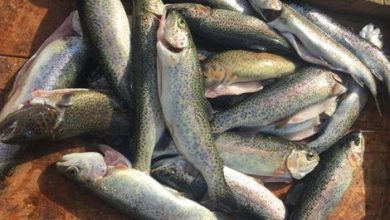
Kalankar Lake: A Livelihood Drying Up
From a Thriving Fishing Community to a Fight for Survival

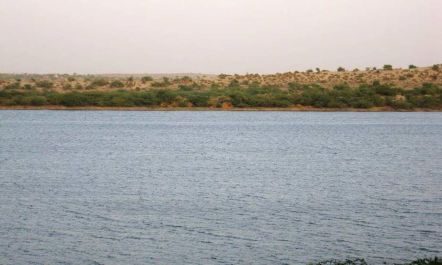
Once the lifeblood of Sindh’s fishing communities, Kalankar Lake is rapidly turning to salt and dust. As the waters recede, hundreds of families are being forced to abandon their ancestral homes in search of survival.
Ali Nawaz Rahimoo
As the freshwater goes away and fish stocks shrink, one hundred fifty families have left their homes that have been in the same place for generations. Those who stay face a future, trying to find clean water and keep their work alive.
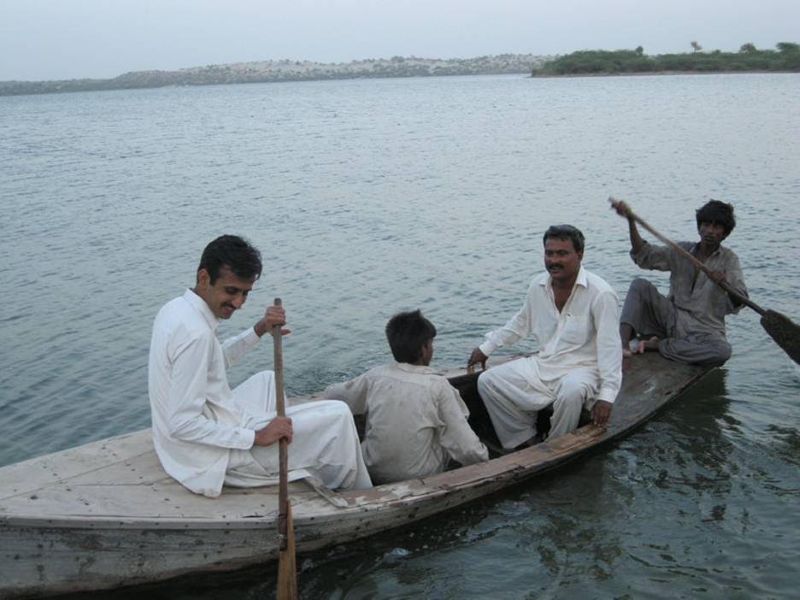
This year I went across the shrinking waters of Kalankar Lake in a wooden boat that people call a batila. The oars were held by Mushtaque Mallah, a fisherman whose work, like that of many others, depends on Kalankar Lake.
Seeing the water dropping around us, Mushtaque said in words: “Kalankar Lake is as thirsty as us villagers.”
Mushtaques words showed the tragedy of Kalankar Lake. Kalankar Lake was once a source of water, fish and work. Now Kalankar Lake is trying hard to survive. Kalankar Lake’s decline is not an environmental problem; it is also a crisis for families who have relied on it for many years.
I started my journey from Umerkot. After walking thirty‑two kilometers to Dhoronaro and another nine kilometers to Haji Khamiso Rajar village, I reached Kalankar Lake. Kalankar Lake lies across parts of Umerkot and Sanghar districts. Is linked with seven other water bodies: Modhakar, Kharor, Loon Khann, Ghurjee, Bando, Sunahro and Bhorurr. All of them help fishing families, livestock and nearby homes.
For years, Kalankar Lake relied mainly on rain and water that flowed from nearby farms.. Those inflows have fallen. This has made Kalankar Lake shallower and saltier. As the water goes down, fish also disappear, threatening the way of fishing.
 A livelihood disappearing with the water
For the Mallah people, fishing is not a job; it is a family tradition. Families have spent years sailing these waters in old boats, earning their daily food.. Today Kalankar Lake can no longer give a steady income.
After spending hours on Kalankar Lake, they often come back with a few fish to sell in the markets of Dhoronaro and Ghulam Nabi Shah. A fisherman can earn five hundred rupees a day, which is barely enough to pay for food, children’s school and health.
The results show up in villages. One hundred fifty families have already left their old homes to look for work elsewhere. Others think about moving. Do not know where to go. For these families, leaving means giving up homes, old jobs, neighbors and a way of life that came from their ancestors. Their move is not a search for better chances; it is becoming a forced answer to the loss of the natural things that they rely on.
Kalankar Lake’s decline has also made a problem with drinking water. People say that groundwater that once gave water has become saltier. Some families must use unsafe water, putting them at risk of sickness.
A kind person installed a hand pump, giving a relief.. One pump cannot satisfy a whole community and most families cannot pay for other water sources. Women and children often have to bring water for their homes.
Having water is a basic human need, not a charity that poor villages must chase alone. The government should check groundwater quality. Give reliable water for the whole community.
Older people remember a different Kalankar Lake. Twenty years before, fish were many, water was easier to find and old wells called tuss gave sweet water to nearby homes.
Kalankar Lake helped with fishing, livestock, home needs and the local economy. It was the heart of the identity and everyday life of villages. Today, falling water and fewer fish weaken the bond between people and nature. The loss of things is slowly breaking the social and economic base of those villages.
With the crisis, Kalankar Lake can still become a place for tourists in Umerkot district. Kalankar Lake’s natural scenery, the lakes, the desert around and the old fishing people could bring visitors who like nature, photos, birds and rural life.
With planning, families can make money from boat trips, old food, crafts, transport and staying. Rafique Mallah, a local, said that Sindh government officials visited times to look at the tourist promise and promised improvement.. People have not seen real progress yet.
The Sindh government must turn these promises into action. The Sindh Tourism Development Corporation, district administration and related departments must create a feasibility study and tourism plan. This plan should include access roads, safe boating spots, visitor points, clean toilets, drinking water and simple lodging. The people in communities must join the planning and must benefit directly from tourism.
Tourism cannot grow near a dying lake. Restoring water flow and protecting the lakes ecosystem must happen first or at the same time, as tourism development.
Kalankar Lake is more than a water spot on a map. Kalankar Lake stands for the jobs, stories and cultural heritage of fishing families. As Kalankar Lake shrinks, it takes away not fish and fresh water but also the hopes of people who have built their homes around it.
Saving Kalankar Lake means saving the people of Kalankar Lake. The time has come to go promises and do practical work to bring back Kalankar Lake’s water, guard its environment and give the people of Kalankar Lake a reason to stay.
Read: Tharparkar Needs Urgent Mental Healthcare
___________
 Ali Nawaz Rahimoo, based in Umerkot, Sindh is a social development professional. He can be contacted on anrahimoo@gmail.com