Green Pakistan through Citizen Incentives
Making Every Home a Partner in Fighting Climate Change

“Until you dig a hole, you plant a tree, you water it, and you make it survive, you have done nothing. You are just talking.”
By Nuzair Ahmed Jamro
Climate Change Is Knocking on Our Doors
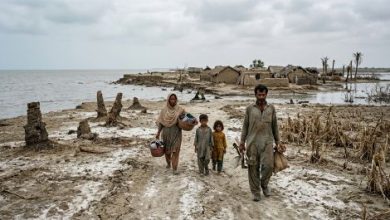
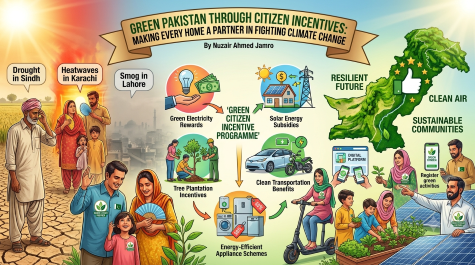
A few years ago, climate change seemed like a problem discussed only in international conferences. Today, however, it has become a part of our daily lives. A farmer in Sindh looks at his dry fields and worries about changing rainfall patterns. A family in Karachi struggles with extreme heat during long summers. A resident of Lahore wakes up to a sky covered with smog and polluted air. These are not just environmental issues; they are affecting our health, economy, and future.
Pakistan is among the countries most vulnerable to climate change. Although Pakistan contributes a very small share of global carbon emissions, it faces serious consequences because of rising temperatures, floods, water shortages, heat waves, and air pollution. The question is no longer only about what governments should do. The real question is:
How can every citizen become part of the solution?
As environmentalist David Attenborough once highlighted, protecting nature is not only about saving the planet; it is about protecting the conditions that allow human life to continue.
Therefore, Pakistan needs a climate strategy that does not only focus on industries and large projects but also encourages ordinary people to adopt environmentally friendly habits in their homes and daily lives.
From Climate Awareness to Climate Action
For many years, Pakistan has conducted plantation campaigns, awareness programs, and environmental initiatives. These efforts are important; however, awareness alone cannot solve the climate crisis. People may know that planting trees, saving electricity, and reducing fuel consumption are good for the environment. However, many citizens hesitate to adopt these practices because of financial limitations. For example, a family may want to install solar panels but cannot afford the initial cost.
A person may want to buy an electric motorcycle but finds it more expensive than a traditional fuel-based vehicle. A household may want to replace old appliances with energy-efficient devices but cannot immediately manage the expenses. Therefore, the challenge is not only creating awareness. The challenge is making climate-friendly choices affordable and accessible.
This is where government reforms can make a meaningful difference. Instead of only asking citizens to change their behavior, the state should support them in making that change.
A New Idea: Reward Citizens for Protecting the Environment
A successful climate policy should recognize an important reality: People adopt changes faster when those changes also provide economic benefits. Therefore, Pakistan should introduce a Green Citizen Incentive Program that rewards households and individuals who adopt environmentally responsible practices. The purpose of this program should be simple: To reduce carbon emissions by helping citizens choose cleaner and greener options.
Under this initiative, citizens can receive financial benefits, discounts, or subsidies for:
- Installing renewable energy systems.
- Saving electricity.
- Using cleaner fuels.
- Planting trees.
- Using energy-efficient appliances.
- Choosing low-emission transportation.
By providing incentives, the government can transform climate protection from a responsibility into a shared national movement.
Green Electricity Reforms: Rewarding Energy-Saving Homes
Electricity consumption is directly connected with environmental protection. A large portion of electricity generation still depends on traditional energy sources that contribute to carbon emissions. Reducing unnecessary electricity use can help protect the environment while also reducing pressure on household budgets. The government can introduce a Green Electricity Reward Scheme where households adopting energy-saving measures receive benefits in their electricity bills.
For example, citizens can receive discounts if they:
- Install solar panels.
- Use LED lighting.
- Purchase energy-efficient appliances.
- Reduce unnecessary electricity consumption.
- Install smart energy monitoring systems.
A family that saves electricity is not only reducing its own expenses; it is also contributing to reducing national energy demand. In simple words: Saving electricity today means protecting the environment tomorrow.
Solar Energy: Turning Pakistan’s Sunshine into Clean Power
Pakistan receives abundant sunlight throughout the year. Therefore, solar energy provides one of the best opportunities for reducing dependence on traditional fuels. However, many households hesitate to install solar systems because of high initial costs.
To overcome this challenge, the government can provide:
- Subsidized solar panels.
- Easy installment plans.
- Low-interest green financing.
- Special support for low-income families.
Imagine a future where thousands of homes generate their own clean electricity. Such a transformation would reduce pressure on the national grid and decrease harmful emissions. Moreover, adopting solar energy can help families control their electricity expenses while contributing to climate protection.
Planting Trees: Creating Green Homes across Pakistan
Trees are among the simplest and most effective solutions to climate change. A tree absorbs carbon dioxide, improves air quality, reduces temperature, and creates a healthier environment.
However, plantation campaigns often focus only on forests and public spaces. While these efforts are necessary, Pakistan also needs to encourage plantation at the household level.
A Green Home Plantation Initiative can provide:
- Free plants and seeds.
- Guidance on tree care.
- Small financial incentives.
- Recognition for environmentally responsible households.
A person planting a tree in a home garden, rooftop, or available space may feel that the contribution is small. However, when millions of citizens participate, these small actions can create a major environmental impact. As the famous saying goes: “The best time to plant a tree was 20 years ago. The second-best time is now.”
Clean Fuel and Sustainable Cooking Solutions
Energy use inside homes also affects climate change. Many households still use inefficient cooking methods that contribute to air pollution and health problems, especially for women and children. To improve the situation, Pakistan should encourage cleaner household energy solutions by providing support for:
- Efficient cooking equipment.
- Biogas systems.
- Cleaner fuel alternatives.
- Energy-saving household technologies.
Biogas, especially in rural areas, can provide an opportunity to convert agricultural waste into useful energy. This approach can help reduce pollution while also improving waste management.
Making Transportation Greener
Transportation is one of the major sources of air pollution in Pakistan’s cities. Cars, motorcycles, and old vehicles release harmful gases, including carbon monoxide and other pollutants that affect human health and contribute to global warming. Therefore, Pakistan needs reforms to encourage cleaner transportation. The government can provide incentives for citizens adopting:
- Electric motorcycles.
- Electric vehicles.
- Hybrid vehicles.
- Public transportation.
Possible support measures include:
- Reduced taxes.
- Subsidized financing.
- Development of charging stations.
- Exchange programs for old polluting vehicles.
By encouraging cleaner transportation, Pakistan can reduce air pollution and improve the quality of life in urban areas.
Energy-Efficient Appliances: Small Changes, Big Results
While discussing climate change, we often focus on large industries and power plants. However, households also play an important role in reducing energy consumption. Every day, millions of homes use refrigerators, air conditioners, fans, washing machines, and other electronic devices. When these appliances consume unnecessary electricity, they increase energy demand and indirectly contribute to carbon emissions. Therefore, encouraging people to use energy-efficient electronics can become an important climate reform.
The government can introduce a Green Appliance Incentive Scheme to support citizens who replace old, inefficient devices with modern energy-saving alternatives.
Under this initiative, citizens can receive:
- Discounts on energy-efficient appliances.
- Easy installment facilities.
- Tax relief on green technology products.
- Awareness about energy-saving practices.
For example, replacing an old air conditioner with an energy-efficient inverter AC may reduce electricity consumption significantly. Similarly, using LED bulbs instead of traditional bulbs can save energy while lowering household expenses. These changes may appear small at an individual level. However, when millions of families adopt them, the collective impact becomes enormous. As the saying goes: “Small actions, when multiplied by millions of people, can transform the world.”
Reducing Plastic Waste through Reusable Products
Another important environmental challenge is increasing waste, especially plastic waste. Plastic bags, disposable items, and single-use products remain in the environment for many years. They pollute land, rivers, and oceans and create serious risks for wildlife and human health. Therefore, Pakistan needs to encourage a culture of reuse, recycling, and responsible consumption.
The government can support citizens by:
- Promoting reusable shopping bags.
- Encouraging recycling systems.
- Supporting environmentally friendly businesses.
- Providing incentives for sustainable products.
For example, a family using reusable bags instead of plastic bags may seem like a small contribution. However, millions of households following the same practice can significantly reduce plastic pollution. Changing habits is not always easy. However, when citizens understand the benefits and receive support, adopting environmentally friendly practices becomes much easier.
Green Transportation: Encouraging Cleaner Mobility
Pakistan’s rapidly growing cities are facing serious air pollution problems. Traffic congestion, increasing fuel consumption, and old vehicles are major contributors to unhealthy air quality. Vehicles powered by petrol and diesel release carbon dioxide, carbon monoxide, and other harmful gases. These emissions affect public health and contribute to climate change. Therefore, Pakistan needs to encourage citizens to move toward cleaner transportation options.
The government can provide incentives for:
- Electric motorcycles.
- Electric cars.
- Hybrid vehicles.
- Public transportation.
- Cycling and walking facilities.
For ordinary citizens, the cost of electric vehicles remains a major challenge. Therefore, providing subsidies, low-interest financing, and tax reductions can encourage adoption. Moreover, expanding charging infrastructure is equally important because people will only adopt electric vehicles when they feel confident about their availability and reliability. A cleaner transportation system will not only reduce emissions but also create healthier cities for future generations.
A Digital Green Citizen Program: Using Technology for Climate Action
Technology can play a powerful role in encouraging climate-friendly behavior. Pakistan already has experience in digital governance and citizen services. This experience can be expanded by creating a Digital Green Citizen Platform.
Through this platform, citizens can:
- Register their green activities.
- Apply for environmental subsidies.
- Receive guidance on climate-friendly practices.
- Track their environmental contribution.
For example, household installing solar panels, planting trees, or purchasing energy-efficient appliances can record these activities through the platform and receive incentives. Digital monitoring can also help the government ensure transparency and prevent misuse of climate subsidies. However, technology should remain simple and accessible because not every citizen has advanced digital knowledge. The purpose of technology is not to create complicated systems. The purpose is to make climate action easier for ordinary people.
Learning from Global Climate Reforms
Many countries have successfully encouraged citizens to participate in climate action by providing financial support and incentives.
Germany: Encouraging Renewable Energy
Germany promoted renewable energy by supporting citizens and businesses in adopting clean energy solutions.
The lesson for Pakistan is clear:
When governments reduce financial barriers, people are more willing to adopt environmentally friendly technologies.
China: Supporting Electric Transportation
China invested heavily in electric vehicles, charging infrastructure, and renewable energy.
As a result, electric transportation expanded rapidly. Pakistan can learn that successful climate reforms require not only awareness but also investment and long-term planning.
Costa Rica: Protecting Forests through Incentives
Costa Rica encouraged environmental protection by rewarding communities and landowners for conserving forests. The experience shows that people become active environmental partners when they receive recognition and benefits.
Challenges in Implementing Green Subsidies
Although climate incentives can create positive change, several challenges must be considered.
- Financial Limitations
Providing subsidies requires government resources. Therefore, programs should be carefully designed and focused on areas with the greatest environmental impact.
- Public Awareness
Many citizens are still unaware of the connection between daily activities and climate change.
Therefore, climate education should be included in schools, universities, media campaigns, and community programs.
- Equal Access
Green technology should not become available only to wealthy citizens.
Low-income families, rural communities, and vulnerable groups should receive special support.
- Monitoring and Transparency
Without proper monitoring, subsidies may not reach deserving citizens.
Digital systems, public reporting, and transparent procedures are necessary to ensure effective implementation.
A Practical Climate Reform Roadmap for Pakistan
To make climate action successful, Pakistan can adopt a gradual but effective approach.
Phase 1: Awareness and Incentives
The government should focus on educating citizens and introducing initial incentives for:
- Plantation.
- Energy saving.
- Waste reduction.
- Clean transportation.
Phase 2: Expansion of Green Technologies
After creating awareness, support should expand for:
- Solar energy.
- Electric vehicles.
- Energy-efficient appliances.
- Renewable fuels.
Phase 3: Building a Green Economy
Long-term reforms should encourage:
- Green industries.
- Clean energy jobs.
- Sustainable agriculture.
- Environmental innovation.
This approach will not only reduce emissions but also create new economic opportunities.
Conclusion: Climate Protection Begins at Home
Climate change is one of the greatest challenges facing Pakistan and the world. However, solutions do not only come from international agreements or government offices. Solutions also begin inside our homes. A citizen switching off unnecessary lights, planting a tree, using clean energy, reducing waste, choosing public transport, or adopting energy-efficient appliances is contributing to a healthier environment. However, citizens need support. They need policies that make environmentally responsible choices affordable and practical. Therefore, Pakistan should move toward an incentive-based climate policy where protecting the environment also provides economic benefits.
The goal should be: “A green choice should be an easy choice for every Pakistani citizen.”
As environmental advocate Wangari Maathai said: “Until you dig a hole, you plant a tree, you water it, and you make it survive, you have done nothing. You are just talking.”
Climate action requires moving from discussion to implementation. By supporting citizens through green subsidies, renewable energy incentives, clean transportation reforms, and sustainable lifestyle programs, Pakistan can build a future that is cleaner, healthier, and more resilient. The fight against climate change is not only about protecting nature. It is about protecting our children, our communities, and the future of Pakistan.
Read: Climate Change – A Financial Problem
________________
 Hailing from Shikarpur, Sindh, Nuzair Ahmed Jamro is a civil servant and MS research fellow in Public Administration. He writes on governance, public policy, and digital transformation. Email: najamro@gmail.com.