Manto – Who challenged the taboos through his stories!
He was a master storyteller who had the ability to capture the essence of human emotions and bring his characters to life

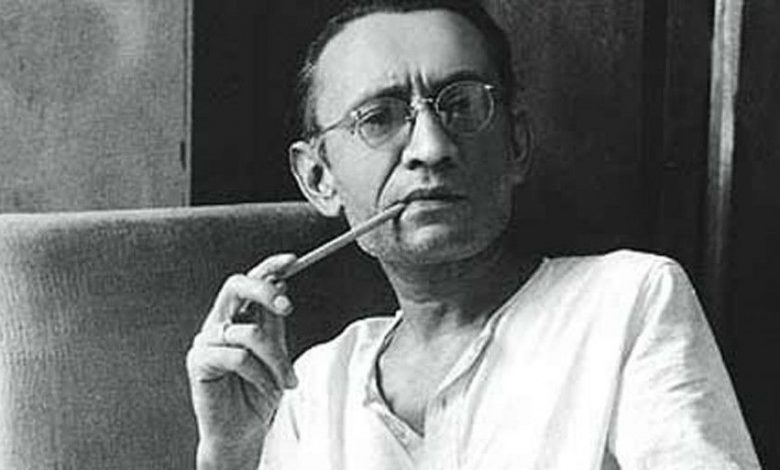
Manto was a writer who refused to be silenced, and he continued to write even in the face of persecution
Shoukat Lohar
Saadat Hassan Manto was a brilliant Urdu writer who is widely regarded as one of the greatest short story writers of the 20th century.
Born on May 11, 1912, in Samrala, a town in Punjab, Manto’s family moved to Amritsar, where he spent most of his childhood. He was an exceptionally talented writer who had the courage to write about topics that were considered taboo in his time. Manto’s works are characterized by their boldness, honesty, and realism. He was a fearless writer who was not afraid to speak the truth, even if it meant facing trials and persecution.
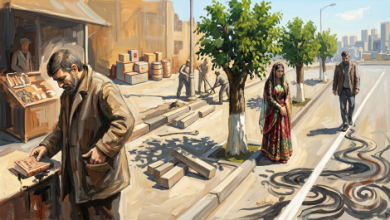
Manto’s works are a reflection of the society he lived in. He wrote about the horrors of partition, the struggles of the working class, the hypocrisy of the elite, and the struggles of the marginalized.
He was a master storyteller who had the ability to capture the essence of human emotions and bring his characters to life.
Some of his most famous works include “Khol Do,” “Toba Tek Singh,” “Bo,” “Thanda Gosht,” and “Dhuan.” These stories are a testament to Manto’s genius and his ability to tell stories that are as relevant today as they were when he wrote them.
Manto’s writing was not just about storytelling; it was also a form of social commentary. He used his stories to unmask the cosmetics of hypocrisy from the rotten society. He was not afraid to call out the corrupt and the powerful, and his works were often critical of the establishment. He was a writer who believed that the purpose of literature was to question the status quo and to challenge the norms of society.
Despite his success as a writer, Manto lived in poverty for most of his life. He never indulged in land claims or other forms of wealth accumulation
Manto’s work was not without controversy. He faced trials because of his stories, which were considered scandalous and obscene by some. Manto was a writer who refused to be silenced, and he continued to write even in the face of persecution. His trials were a testament to his courage and his commitment to his craft.
Manto witnessed the horrors of partition, which had a profound impact on his writing. He wrote about the trauma of partition and its impact on the lives of ordinary people.
His stories about partition are some of his most powerful works, and they continue to resonate with readers today.
Despite his success as a writer, Manto lived in poverty for most of his life. He never indulged in land claims or other forms of wealth accumulation, and he continued to write even in the face of financial hardship. He was a writer who was committed to his craft, and his dedication to his work is an inspiration to writers everywhere.
Manto’s legacy as a writer is one that continues to inspire generations of readers and writers. He was a writer who wrote what others couldn’t dare, and his works continue to challenge and provoke readers today.
His writing was a form of resistance, and his courage in the face of persecution is a testament to his commitment to his craft. Manto was a shining star in Urdu short story writing, and his work continues to be celebrated and revered today.
_______________
 Shoukat Lohar is Assistant professor in English at Mehran University of Engineering and Technology Jamshoro. He can be reached at Shoukat.ali@faculty.muet.edu.pk