Child nutrition deficiencies in Sujawal are not only stunting physical growth but also damaging cognitive development, with consequences that could last a lifetime.
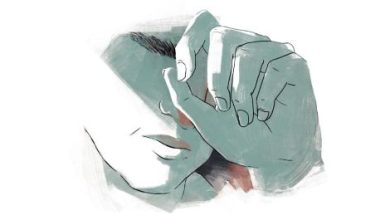
- The problem begins even before birth. Many village women, often under economic stress and lacking awareness, chew gutka during pregnancy instead of maintaining a healthy diet.
SHAHZAD ALI ZOUR
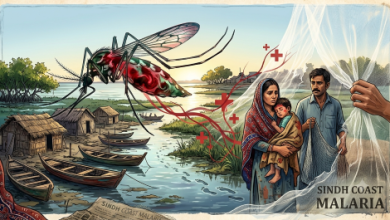
In the heart of Sindh lies Sujawal, a district of 7,335 square kilometers with five talukas — Jati, Kharochan, Mirpur Bathoro, Shah Bunder and Sujawal itself. Despite its fertile land and proximity to the Indus River, Sujawal remains deeply affected by poverty and malnutrition. The crisis is most visible in its children: according to local health units, around 1,100 children are enrolled in treatment for severe acute malnutrition in just one union council, while across the district nearly 30,000 children are estimated to be in a similar condition.
This hidden emergency is not just about hunger — it is about the future of an entire generation. Child nutrition deficiencies in Sujawal are not only stunting physical growth but also damaging cognitive development, with consequences that could last a lifetime.
The problem begins even before birth. Maternal health in rural Sindh is fraught with risks. Early marriages, premature births and inadequate healthcare are common, while tobacco and ghutkha use is widespread among both men and women. Many village women, often under economic stress and lacking awareness, chew gutka during pregnancy instead of maintaining a healthy diet. This habit, combined with poverty, leads to anemia and weak maternal health, which in turn compromises the brain development unborn children. Malnutrition directly affects cognitive abilities. Deficiencies in iron, folate, zinc, iodine and vitamin (A) all crucial for brain development — can result in reduced IQ, memory problems, delays in speech and motor skills, and lifelong neurological challenges. In rural Sindh, where families often struggle to afford even one meal a day, these deficiencies are widespread. Nearly 80 per cent lack clean drinking water, electricity, healthcare and schools, making the problem even worse. The economic roots of this crisis cannot be ignored. Agriculture, the main source of income in Sujawal’s 388 villages, is seasonal and often unprofitable. With no alternate livelihoods and poor connectivity to markets and hospitals, families are trapped in poverty. Malnourished mothers give birth to underweight babies, who are then more vulnerable to disease and developmental delays. Immunization programs are available but often resisted due to illiteracy and mistrust, leaving children even more exposed. The human cost of this neglect is stark. In Sujawal, around 25 per cent of children can be found begging on the streets, 50 per cent are engaged in child labor, and only 30 per cent manage to attend school. Malnutrition is not just robbing them of health, but also of education, opportunity and dignity. To make matters worse, addiction is creeping into childhood. In many villages, children as young as five are seen consuming gutka and tobacco. This not only damages their physical but also impairs memory, learning ability and attention span. Across lower Sindh including. Badin, Thatta and Sujawal — the consumption of gutka, manpuri and naswar is alarmingly common. In urban areas nearly 95 per cent of men use gutka, making oral cancer a growing health crisis Law enforcement occasionally cracks down on vendors selling these harmful substances, but production factories continue to operate freely, often under political protection. This unchecked availability has made gutka a socially accepted addiction — a slow-moving, permanent virus that is more dangerous than temporary epidemics because it steadily erodes the lives of children and youth.
Sujawal’s malnutrition crisis is not only matter of food security but a larger reflection of poverty, addiction, and neglect. Unless urgent action is taken improving maternal health, raising awareness, providing affordable nutrition, and curbing gutka use the district risks losing a generation to stunted bodies and impaired minds The children of Sujawal deserve better than a future shaped by hunger and addiction. This silent crisis must be brought out of the shadows before it becomes irreversible.
Read: Malnutrition Crisis in Tharparkar
________________
 The writer is based in Sujawal