The Magic of Hallyu and Its Impact on the Global Economy
By Abdullah Usman Morai | Sweden
In an age when the strength of nations was measured only by their military might (Hard Power) or economic reserves, South Korea introduced a new lesson to the world: “cultural power” or Soft Power.
Within just two decades, this small Asian nation has ruled the hearts and minds of young people worldwide through its culture, music, dramas, and fashion. This phenomenon is known as Hallyu, or the “Korean Wave.” But it is not merely about songs and dramas; it is a model that teaches how local heritage can transform into a global brand and earn recognition.
 What is Soft Power?
The term Soft Power was introduced by American political scientist Joseph Nye. It means attracting and persuading others not through force, but by shared values and influence.
South Korea did not deploy fighter jets or armies. Instead, through films, dramas, and K-Pop music, it compelled millions across the globe to fall in love with its culture. Once people admire Korean products, they also more easily accept the policies and goals of the country.
The Foundations of Hallyu: K-Pop and K-Drama
Two industries play a central role in the global success of Hallyu:
- The Rise of K-Pop
K-Pop is not just a genre of music but a complete, highly organized production system. The worldwide fame of groups such as BTS and Blackpink is no accident. Behind it lies years of training by South Korean entertainment companies (like SM, YG, and HYBE), extensive research into international markets, and strategic use of digital media.
K-Pop songs and videos are celebrated globally for their high production quality, glamorous costumes, and captivating choreography that transcend geographical boundaries. Their themes, often tied to youth aspirations, social challenges, and personal identity, deeply resonate with younger generations across the world.
- The Domestic and Global Influence of K-Dramas
K-Dramas (such as Squid Game, Crash Landing on You, and others) introduced millions of viewers to Korean lifestyles, family values, and emotional complexities. These dramas tend to focus on simple yet deeply emotional narratives with top-tier production standards.
When audiences watch Korean dramas, they are also exposed to Korean food, clothing, and daily life, sparking global demand for Korean products.
 Economic Miracle and Diplomatic Advantage
The global acceptance of Korean culture directly impacts South Korea’s economy:
- Brand Value Growth: Thanks to K-Pop and K-Dramas, Korean electronics (Samsung, LG), automobiles (Hyundai, Kia), and especially Korean beauty products (K-Beauty) have surged in the global market. Cultural products work as powerful advertisements.
- Tourism Boom: Shooting locations of Korean dramas have become major tourist destinations for international travelers.
- Diplomatic Ease: A positive global image makes it easier for South Korea to sign trade agreements or resolve political issues. The country is now seen as a symbol of innovation, progress, and modernity.
 A Lesson for Sindh: How to Give Global Identity to Our Heritage
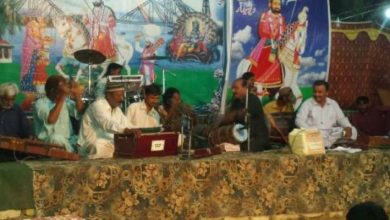
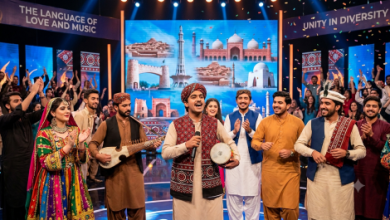
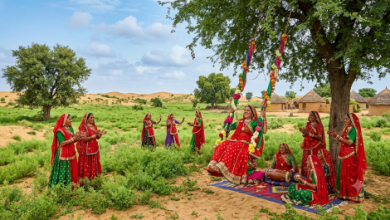
Korea’s success holds a vital and practical lesson for Sindh, a land with treasures like Mohenjo-daro, the poetry of Shah Latif, and the timeless tradition of folk music and songs. Instead of only taking pride in heritage, we also need to give it a modern and global shape:
- Turning Art into Industry: Just as Korea gave music an “industrial system,” Sindhi musicians and dramas should be systematically produced, recorded, and skillfully presented on global digital platforms.
- Translating Poetry and Literature: The works of Shah Latif, Sachal Sarmast, Shaikh Ayaz, and others should be translated into simple, effective English and other languages to reach international readers.
- Sindhi Fashion in Global Shows: Traditional Sindhi attire, Ajrak, and Ralli designs can be reimagined and promoted at global fashion shows and on social media to establish a distinct “Sindh-Style” identity.
- Using Technology: High-quality documentaries and virtual reality (VR) experiences about Sindh’s historical sites can be created to boost international tourism.
 Culture is Not Just Entertainment, But a Resource
South Korea’s story proves that culture is not a luxury; it is a powerful economic and political resource. Soft Power leaves deeper and more lasting effects than hard power because it directly connects with people’s emotions and passions.
For a culturally rich land like Sindh, this model shows the path forward: to make our name and values shine more brightly on the global map. We, too must present our voice and identity internationally, with full confidence.
Read: Japanese Wisdom for a Meaningful Life
_________________
 Abdullah Soomro, penname Abdullah Usman Morai, hailing from Moro town of Sindh, province of Pakistan, is based in Stockholm Sweden. Currently he is working as Groundwater Engineer in Stockholm Sweden. He did BE (Agriculture) from Sindh Agriculture University Tando Jam and MSc water systems technology from KTH Stockholm Sweden as well as MSc Management from Stockholm University. Beside this he also did masters in journalism and economics from Shah Abdul Latif University Khairpur Mirs, Sindh. He is author of a travelogue book named ‘Musafatoon’. His second book is in process. He writes articles from time to time. A frequent traveler, he also does podcast on YouTube with channel name: VASJE Podcast.