


Holi marks the arrival of spring and the harvesting season, holding deep religious, cultural, and social importance
By Ramesh Raja
Today, the vibrant festival of colors and cultural is celebrated worldwide. Holi, known as the festival of colors, is one of the most vibrant celebrations in South Asia but now it is not restricted to a single religion or region. It is primarily observed in India and Nepal, but its significance extends far beyond these countries. It is increasingly celebrated globally, particularly among diaspora communities in countries such as the United States, Canada, the United Kingdom, and Australia.
Holi marks the arrival of spring and the harvesting season, holding deep religious, cultural, and social importance. It is a time of unity, joy, and renewal, celebrated across regions and communities, including among the Hindu minority in Pakistan, particularly in Sindh.
Religious Significance of Holi
 Holi has strong roots in Hindu mythology. The most well-known legend is that of Prahlad and Holika. Prahlad, a devout follower of Lord Vishnu, was persecuted by his father, the demon king Hiranyakashipu. His aunt Holika attempted to burn him, but divine intervention saved Prahlad while Holika perished in the flames. This symbolizes the victory of good over evil and is marked by the Holika Dahan bonfire ritual on the eve of Holi.
Another popular legend involves Lord Krishna, who playfully applied colors to his beloved Radha and the Gopis. This playful aspect of Holi represents love, joy, and togetherness. In Mathura and Vrindavan, the festival is celebrated for several days with special rituals dedicated to Krishna. Sikhs also observe Hola Mohalla, a festival of martial arts and valor.
Seasonal and Agricultural Significance
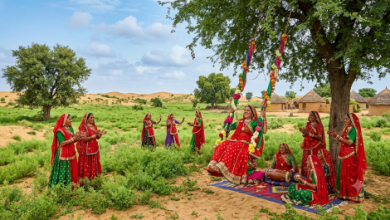
 Holi is celebrated at the onset of spring, a time of renewal in nature. The festival occurs around the full moon of the Hindu month of Phalguna (February-March). For farmers, it is a time of gratitude for the harvest of wheat and barley. This agricultural connection makes Holi an essential festival in rural communities.
Cultural and Social Celebrations
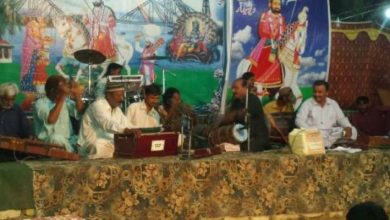
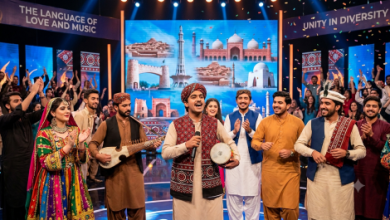
Holi is more than a religious event; it is a social festival that dissolves barriers of caste, class, and status. People gather in streets and public spaces to throw colors, sing, and dance. Traditional sweets like gujiyas and the refreshing drink thandai add to the celebrations. Music, drumming, and folk performances make Holi a lively and joyous occasion.
Common Joyous Aspects of Holi
Holi fosters social harmony and strengthens bonds. The key customs of Holi include:
- Holika Dahan: Bonfire ritual symbolizing the victory of good over evil.
- Playing with Colors: People throw colored powders and water at each other in celebration.
- Singing and Dancing: Traditional folk music and dances enhance the festive spirit.
- Special Sweets and Food: Gujiyas and thandai are popular delicacies.
- Bhang Tradition: A cannabis-based drink, bhang, is consumed in many regions.
- Community Gatherings: People forgive past grievances and embrace unity.
- Shobha Yatras: Colorful processions featuring music and dancing.
Traditional Observances of Holi
Holi is generally celebrated over two days in most regions of India, Nepal and Sindh. However, in some locales, the celebrations can extend for a week or more. Here’s how Holi is traditionally observed:
- Day 1 – Holika Dahan (Chhoti Holi)
This celebration occurs on the night before Holi, where people gather around bonfires to perform rituals symbolizing the victory of good over evil, based on the legend of Prahlad and Holika.
- Day 2 – Rangwali Holi (Dhulandi or Dhulivandan)
The main day of Holi involves people playing with colors, water, and reveling in music, dance, and sweets.
- Extended Celebrations in Some Regions
- Barsana & Nandgaon (Lathmar Holi): The festival can last nearly a week, featuring playful interactions where women hit men with sticks.
- Mathura & Vrindavan: Holi is celebrated for almost ten days, including temple processions and special cultural events.
- Punjab (Hola Mohalla): Sikhs celebrate for three days, showcasing martial arts and traditional sports.
 Holi in Pakistan and Among Sindhi Hindus
In Pakistan, Hindus, especially in Sindh, celebrate Holi with enthusiasm. Cities like Karachi, Hyderabad, and Sukkur host grand Holi gatherings, featuring music, dance, and cultural performances. However, the Pakistani government does not recognize Holi as a public holiday, and there are no official programs to mark the occasion.
Despite this, Sindhi Hindus celebrate Holi with devotion, blending it with their folk traditions. Many Sindhi Sufis and non-Hindus also join in the festivities, reflecting the inclusive nature of Sindhi culture. Historians link Holi to the Indus Valley Civilization, suggesting that its origins predate Hinduism and stem from ancient agrarian traditions.
Sindh’s scholars argue that Holi is a continuation of seasonal festivals from Mohenjo Daro, where natural dyes were used in pottery, textiles, and rituals. The festival’s emphasis on color and unity aligns with Sindh’s literary and poetic traditions. Poets like Shah Abdul Latif Bhittai and Sachal Sarmast have celebrated themes of nature, love, and togetherness, which resonate with Holi’s spirit. Some of references are as under:
سنڌڙيءَ جي سينڌ ۾ رنگن ڀري رات،
ھولي ۽ بارات، ٻئي سھيليون سونھن جون
(شيخ اياز)
“A night filled with colors adorns Sindh’s hairline,
Holi and wedding processions—two companions of beauty.”
(Sheikh Ayaz)
رنگ رنگ ٻولي ۾
جيئن بسنت ايندو آ
ھيل آءُ ھولي ۾
اياز
“Like the arrival of spring in every hue of language,
This time, let me celebrate Holi”
Ayaz.
. جيئن منهنجا ماروئڙا ۽ ماروئڙن جي ٻولي
عيدون ۽ هولي، شل گڏجي اچن سنڌ ۾
“As my beloved people and their language,
Eid and Holi, may they arrive together in Sindh.”
مونکي چُنيءَ مان ڏي رنگ ٿورڙا امان!
ڪجھ تہ جیون ڀریان ، ڪا تہ ھولي ڪیان۔
(س۔ش)
“Mother, give me some colors from your embroidery,
So I may fill my life a little, so I may celebrate Holi.”
(S.S.)
چِلڪو تنھنجي چولي جو
ڏينھن ھيو ڄڻ ھولي جو
“The shimmer of your dress
Felt like a day of Holi.”
پرين رنڱي پريت سان ، جي چُني ۽ چولي
تہ سرتيون هيءَ ھولي ، مبارڪ مون لئہ ٿئي
“If my beloved stains my scarf and robe with love,
Then, dear friends, this Holi shall be a blessing for me!”
عيد به ساڳي، ھولي به ساڳي
پاڻ ٻنھي جي ٻولي به ساڳي
مون وٽ تو لاءِ مان وڏو آ
مذھب کان انسان وڏو آ
“Eid is the same, Holi is the same,
And the language of both is the same.
For me, the greatest honor for you is this:
That humanity is greater than religion.”
انڊلٺي رنگ تنھنجي چولي تي
منھن موڙ نہ،اسان کان او سائين
اچُ تہ مُرڪي ملون ‘ھولي’ تي
“The colors of the rainbow on your dress,
Do not turn away from us, O dear one!
Come, let’s meet and smile on this Holi!”
هي سارا رنگ سنڌو جا آهن
جنهن جو لُڙ لُڙاٽيل پاڻي
تهذيبون سيراب ڪري ٿو!
مذهب جنهن لئه جُزوي آهي
رڳن ۾ پيو راڳ هلي ٿو
انسانيت آ ڪُل اثاثو
سونهن سمندر- پيار به ايڏو
جيڏي ڌرتي- پيار به تيڏو
چهرو چهرو مُرڪي ٿو پيو
هي هولي جا روپ سونهري
پنهنجي لئه هڪ عيد به آهي
جنهن ۾ هڪڙي ديد به آهي
جيڪا جڳ کي موهي ٿي
۽اهڙي مٽي ڳوهي ٿي
جنهن مان مجسم ماڻهو جوڙي
ساري هِن سنسار کي ڳائي
خدا جي اعتبار کي ڳائي
اهڙي منهنجي ٻولي آهي،
اهڙي منهنجي هولي آهي
“These are all the colors of the Sindhu,
Whose flowing waters nourish civilizations,
For whom religion is just a fragment,
While music runs through its veins.
Humanity is its true treasure,
A sea of beauty—love just as vast!
As great as the land, as deep as its love!
Every face shines with joy,
These golden hues of Holi—
For us, another Eid it seems!
An occasion to meet, a vision to cherish,
That enchants the world,
And molds clay into human forms,
Singing of the whole universe,
Singing of faith in the divine!
Such is my language,
Such is my Holi!”
هولي پنهنجا رنگ ورهايا
هن جو وهنجي وار سڪايا
ساري تر جا ڀونئرا ڊوڙي
خوشبو واس وٺڻ لئي آيا
مرڪي هن جو آرس موڙيو
ڪيئي پوپٽ پاگل ٿي ويا
ڪيئي جگنو گهايل ٿي ويا
بارش هن جو بت چمڻ لئي
واڇڙ بڻجي ڊوڙي نڪتي
چنڊ به هن تي ساڙ سڙيو پي
مور به شايد خوب ڪڙهيو پي
ڪونجيون هن سان ريساڻيون پي
سارس کائي ٿيڙ ٿڙيو پي
هن جا ٽهڪ وٺي جون ويرون
ڳالهيون ڳيت سڪارن جهڙيون
هن جي ماٺ ڏڪارن جهڙي
هوُ آ سونهن نگر جي راڻي
سيندر سان هن سينڌ سجائي
ساري ڏيه ۾ مرڪي هئا ڄڻ
هولي پنهنجا رنگ ورهايا
هولي پنهنجا رنگ ورهايا
چمن آر ٿري
“Holi spread its colors far and wide,
She bathed and let her hair dry in the breeze.
Bees from the whole land rushed toward her,
Drawn by the scent of her fragrance.
With a smile, she turned her face away,
Many parrots went mad in her love,
Many fireflies fell wounded.
The rain itself raced like a storm,
Eager to kiss her skin.
Even the moon burned with envy,
Even the peacock perhaps despaired.
Cranes longed to race alongside her,
And the heron flapped its wings in sorrow.
Her laughter echoed like monsoon winds,
Her words, like songs of hunters.
Her silence, as fierce as thunder.
She is the queen of beauty’s land,
Adorning her forehead with vermillion,
As if the entire world was smiling with her.
Holi spread its colors far and wide,
Holi spread its colors far and wide.”
(Chaman Aar Thari)
The Need for Government Recognition and Support in Pakistan
 Holi is a significant cultural and religious festival for Sindhi Hindus, yet it lacks official recognition in Pakistan. Despite being a constitutionally protected minority, Hindus in Pakistan face social and political challenges that often hinder their right to celebrate Holi freely. Government support, such as declaring Holi a public holiday for Hindus and organizing cultural events, would help foster inclusivity and interfaith harmony.
Sindh, known for its rich history of religious coexistence, can lead the way in acknowledging Holi as a shared cultural heritage. This would not only preserve Sindh’s unique identity but also promote a message of unity among diverse communities.
Conclusion
Holi is a festival of joy, unity, and renewal. While rooted in Hindu traditions, it transcends religious boundaries, bringing people together. In Pakistan, particularly among Sindhi Hindus, Holi serves as a cultural bridge, highlighting Sindh’s rich heritage. The colors of Holi symbolize love, happiness, and the triumph of good over evil, making it one of the most cherished festivals across the world. Recognizing and supporting Holi celebrations in Pakistan would reinforce the country’s commitment to religious diversity and social harmony.
Read: Happy Diwali: A Radiant Celebration of Culture, Spirituality, and Victory over Darkness
___________________
 The author of this article, Engr. Ramesh Raja, is a Civil Engineer, visionary planner, PMP certified and literary enthusiast with a passion for art and recreation. He can be reached at engineer.raja@gmail.com


سائين
توهان جو ليک ڪمال آهي.
اُنهيءَ ۾ جيڪي سنڌي ڪويتا لکي آهي دل خوش ٿي
لکندا رهو
حق موجود
رام درياني