Anthropology & Archaeology students explore the 180-year old historic Christ Church and colonial heritage of Kotri through field-based learning
Jamshoro, Sindh
The Department of Anthropology and Archaeology, University of Sindh, Jamshoro, organized a field-based research and heritage exploration visit to the historic Christ Church (Kotri Railway Line Church) for the students.
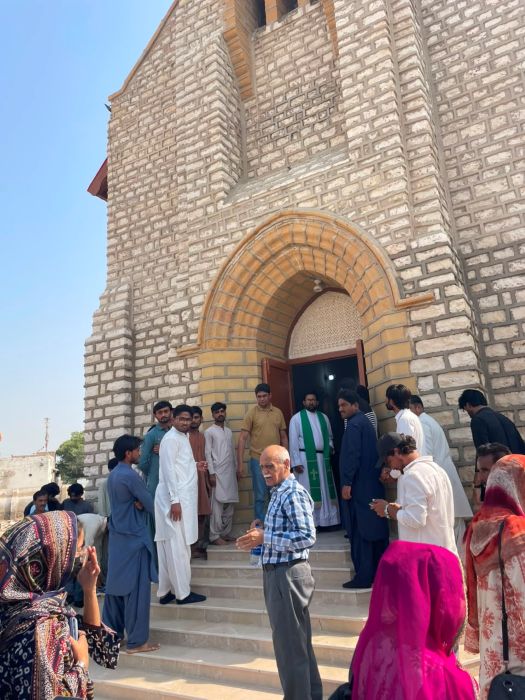 The visit formed an integral part of the course’s practical learning component, enabling students to connect archaeological theory with the study of built heritage and living communities.
The field visit was led by Prof. Muhammad Mukhtiar Ahmed Kazi, Founder of the Department of Anthropology and Archaeology, Dr. Abdul Razaque Channa, Chairman of the Department, Dr. Rafique Wassan, Ms. Qurat-ul-Ain, Teaching Assistants Mr. Abid Hussain and Ms. Aneela Paras, along with students from the department.
The delegation was warmly received by Rev. Father Shoaib Palous, with the support and coordination of Mr. Shamoon Masih, SEWA Information Secretary, Mr. Simon Naseem, and members of the local Christian community. The Department appreciated their hospitality, guidance, and commitment to facilitating this important academic heritage visit.
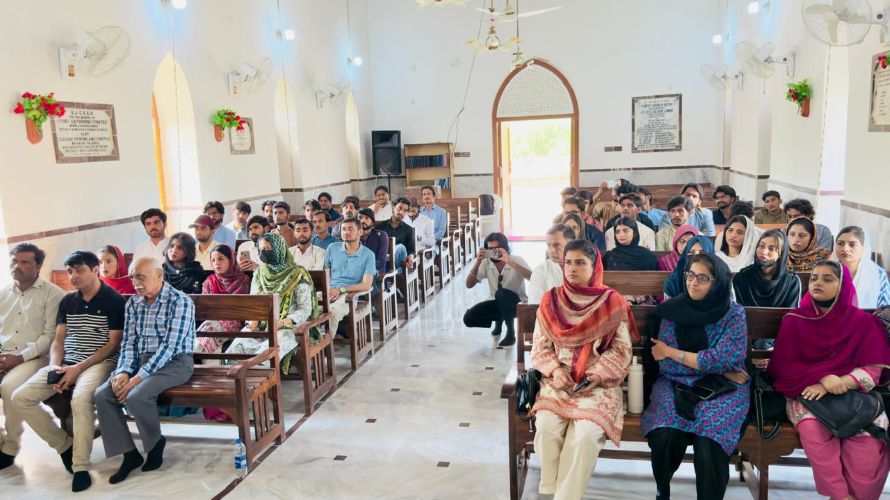 During the session, Rev. Father Shoaib Palous presented the history of Christ Church, explaining that it was established in 1846 as a church to serve the growing railway settlement of Kotri during the British colonial period. He highlighted the church’s historical evolution, changes in administration, and recent conservation efforts. Students actively participated in an engaging question-and-answer session, discussing the church’s architecture, religious traditions, community life, and the importance of preserving minority heritage in Pakistan.
Speaking on the occasion, Dr. Abdul Razaque Channa emphasized that anthropology and archaeology extend far beyond classrooms and excavations; they are disciplines that engage directly with living communities, historical landscapes, and cultural diversity. He appreciated the Government of Sindh for allocating funds for the restoration of the 180-year-old Christ Church, describing the project as an exemplary initiative in safeguarding Pakistan’s shared cultural heritage. He remarked that the preservation of places of worship belonging to all faiths reflects the values of inclusion, coexistence, and respect for history.
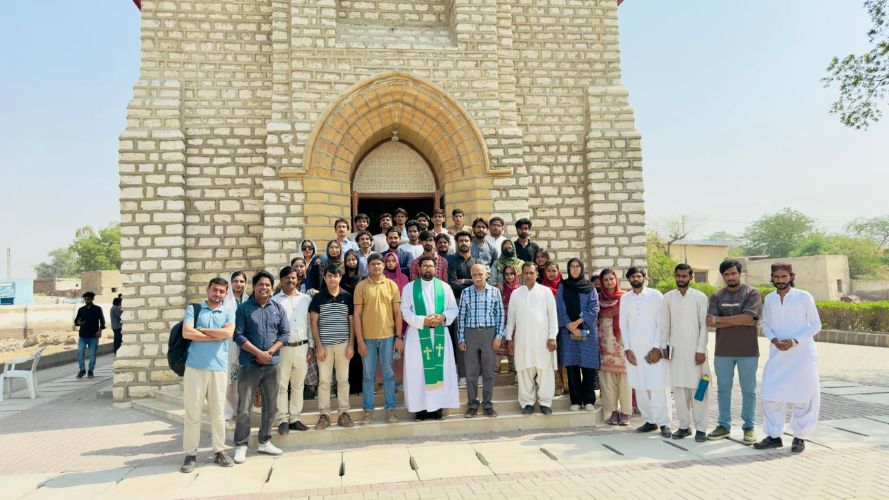 Prof. Muhammad Mukhtiar Ahmed Kazi highlighted that historic buildings are invaluable archaeological resources that preserve evidence of social, political, religious, and architectural transformations across time. He encouraged students to view colonial-era structures critically—not merely as remnants of the past, but as historical documents that contribute to understanding the evolution of Sindh’s urban and cultural landscape. He stressed that protecting pre-colonial and colonial heritage alike is essential for future generations.
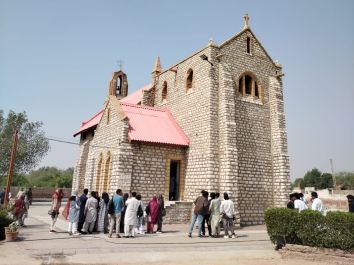
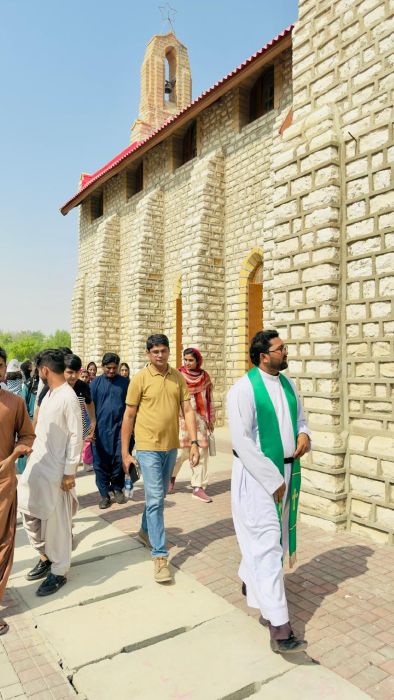 Dr. Rafique Wassan discussed the architectural and historical significance of Christ Church, noting that it remains one of Sindh’s finest surviving nineteenth-century ecclesiastical buildings. Constructed from locally quarried limestone with Gothic architectural influences, the church symbolizes the emergence of Kotri as an important railway and commercial hub during the colonial period. He explained that the recent restoration has revived an important landmark of Sindh’s multicultural heritage while providing opportunities for heritage education and research.
Throughout the visit, students closely observed the church’s architectural features, construction techniques, spatial organization, and conservation work. The field exercise strengthened their understanding of heritage documentation, archaeological observation, and the importance of preserving historical monuments as shared cultural assets.
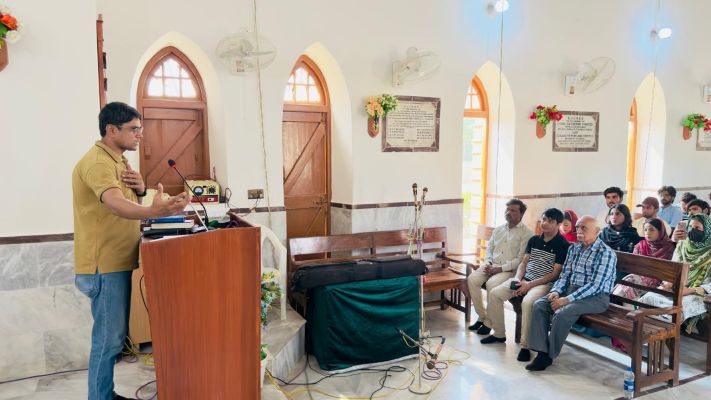 In his concluding remarks, Chairman of the Department of Anthropology and Archaeology, Dr. Abdul Razaque Channa, expressed his heartfelt gratitude to Rev. Father Shoaib Palous for warmly welcoming the faculty and students and for delivering an insightful presentation on the history, architecture, and religious significance of Christ Church. He also thanked Mr. Shamoon Masih and Mr. Simon Naseem for their outstanding coordination, hospitality, and commitment in facilitating the successful organization of this heritage exploration and research visit.
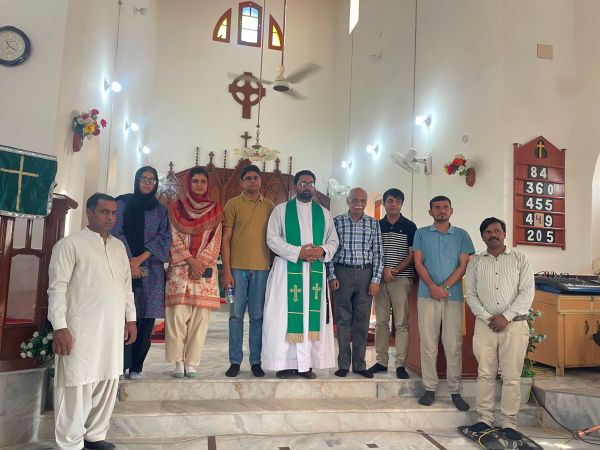 Dr. Channa remarked that the success of the field trip reflected the spirit of teamwork and academic collaboration, and reaffirmed the Department’s commitment to providing meaningful field-based learning experiences that connect students with the rich cultural and historical heritage of Sindh. (Press Release)
___________