


Reflecting on my work across Pakistan, Sudan, and Iraq, I’ve seen how “bureaucracy” transforms from a wall of red tape into a gatekeeper of resources—or, when leadership aligns, a powerful engine of strategic partnership.
Zahid Hussain Jalbani
My experiences have taught me a truth that many international development leaders face: navigating bureaucracy is rarely about a standard set of rules. Instead, it is almost always about the underlying institutional culture, priorities, and political will of the host country.
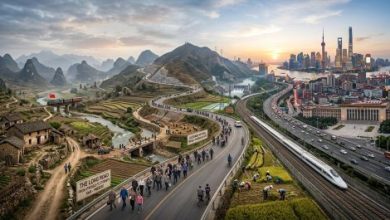
The stark contrasts I have experienced across three distinct chapters of my career tell a compelling story of how “bureaucracy” manifests globally:
- The Red-Tape Bureaucracy (Pakistan)
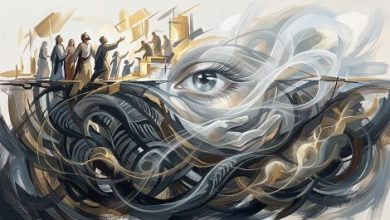
Working with bureaucrats from junior to senior levels across Sindh, Punjab, and Islamabad, I consistently faced enormous challenges regarding their availability, time constraints, and a lack of core commitment to getting things done. In these environments, the system is frequently bogged down by inertia, rigid hierarchies, and over-centralization. Moving initiatives forward requires navigating deeply layered processes where institutional momentum is slow, and competing domestic priorities often push development or humanitarian efforts to the back burner.
- The Gatekeeping Bureaucracy
My time in Sudan highlighted a completely different operational challenge: deep, structural interference. This was bureaucracy of a unique level. For instance, during recruitment for any position, the Labor Department of the Humanitarian Aid Commission (HAC) mandated its presence from the initial shortlisting right through to the final selection of candidates. When a state body enforces that level of micro-management, the bureaucracy isn’t just slow—it actively seeks to control resources, employment opportunities, and operational autonomy. Navigating this required immense diplomatic tact, patience, and a constant balancing act to protect institutional integrity while ensuring mandatory state compliance.
- The Facilitative Bureaucracy
Since October 2022, my experience in Iraq has stood in stark contrast. Here, I have enjoyed a high level of collaboration with various departments and senior officials, including Directors and Governors. Rather than viewing international organizations as administrative burdens or entities to be policed, they treat us as strategic partners.
Accessibility and Speed: High-level officials are not only readily available for meetings but are actively eager to extend every possible support to expedite processes. This signals that humanitarian and development outcomes are genuinely integrated into the regional governance priority list.

During a recent meeting with H.E. the Governor of Erbil, I was deeply heartened that he not only highly appreciated our organization’s work but offered his full assistance. I was honored to present him with a traditional cultural gift from my homeland—the Sindhi Ajrak and Topi—which he accepted with great warmth. It was a beautiful testament to the power of cultural diplomacy, bridging my own heritage with my current mission and transforming a formal administrative meeting into a relationship built on mutual respect.
Read: Sindhi Kurds – Exploring Kurdish Origins
____________
From a small village in Sindh to leading humanitarian and development efforts internationally, Zahid Hussain Jalbani’s journey reflects perseverance, learning, and leadership. Holding an MBA, he currently serves as Country Director of Islamic Relief Worldwide in Iraq, bringing nearly three decades of experience in humanitarian response, development, strategic leadership, and community empowerment.



A very insightful reflection, Zahid.
Your comparison of bureaucracy across Pakistan, Sudan and Iraq makes an important point: bureaucracy itself is not necessarily the problem; it is how institutions exercise authority and how leadership enables or constrains development work. When government and development organisations see each other as partners rather than obstacles, processes can become far more effective.
Well articulated! 👏