255 Patients without Power and Water after Bus Strikes HESCO Lines at Hyderabad Psychiatric Institute
- A major electrical explosion at the Sir Cowasjee Jahangir Institute of Psychiatry and Behavioral Sciences has left over 250 patients without electricity and water after an unregistered university bus struck main power lines on August 28.
HYDERABAD: A major electrical disaster was narrowly averted at the Sir Cowasjee Jahangir Institute of Psychiatry and Behavioral Sciences on August 28, after an unnumbered university bus snapped four main high-tension power cables, triggering a massive blast and plunging multiple patient wards into darkness.
The incident has disrupted power and water supplies for approximately 255 admitted patients—including individuals receiving treatment for Chronic Mental Illness (CMI)—across Ward No. 1, Ward No. 5, and Wards 11-A, 11-B, 11-C, and 11-D (Women’s Ward).
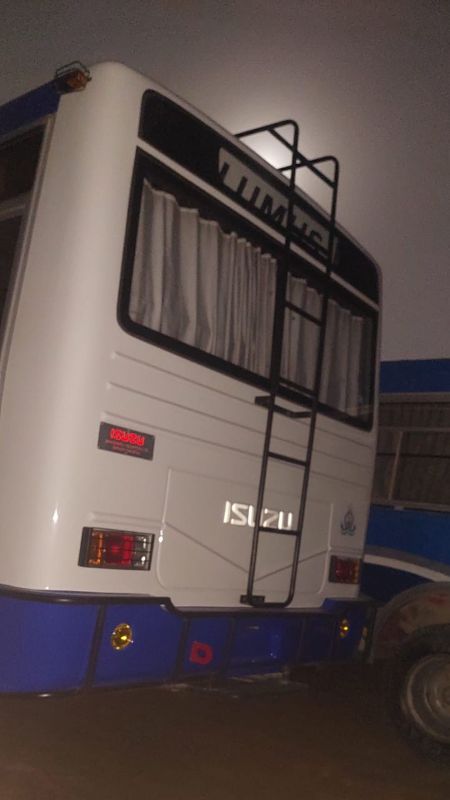
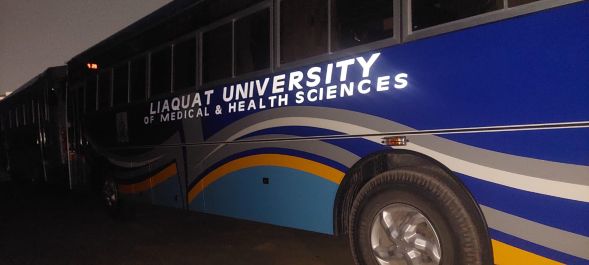
According to details released by the institute’s Media Coordinator, a newly deployed bus belonging to the Liaquat University of Medical and Health Sciences (LUMHS) and bearing the joint LUMHS/ISZU logo struck low-hanging HESCO (Hyderabad Electric Supply Company) main feeder lines.
The impact caused a heavy electrical explosion that brought down live, high-voltage wiring onto hospital grounds. The bus, which reportedly lacked an official registration plate, was being operated on the Thatta Campus route. The driver, identified as Maqsood Ahmed Jhatial, a resident of Kotri, parked the vehicle and left the scene immediately following the collision.
“Fortunately, by the grace of Allah Almighty, no loss of life occurred,” the official report noted. “However, the damaged cables were live at the time of the impact and posed a severe, life-threatening hazard to patients, medical staff, and visitors.”
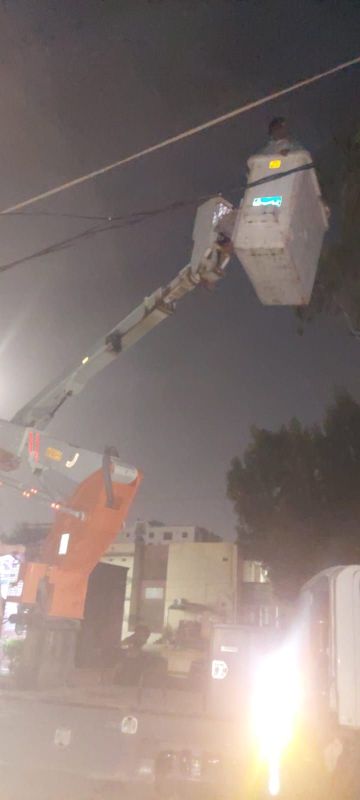
HESCO field teams alongside hospital maintenance staff deployed heavy machinery and industrial cranes to clear the snapped wiring and begin structural repairs.
Because the main supply grid sustained catastrophic damage, restoration efforts remain ongoing. The extended blackout has triggered a critical water supply failure across the psychiatric units, as electric water pumps remain inoperable, worsening conditions for vulnerable admitted patients.
Hospital administration highlighted that this event follows repeated, unheeded warnings regarding heavy traffic within the medical complex. More than 18 large buses and heavy transit vehicles regularly cut through hospital driveways daily, causing ongoing infrastructure damage:
Structural Degradation: Heavy axle weights have destroyed internal paving blocks and repeatedly strained low-hanging overhead utility lines.
Access Blockades: Large buses frequently become wedged at narrow hospital gates, blocking emergency vehicle access.
Speed & Safety Risks: High-speed heavy transit through acute psychiatric zones creates extreme safety hazards for staff, visitors, and patients who may lack situational awareness.
The Institute estimates the direct electrical repair costs to range between Rs.250,000 and Rs.300,000. Administration officials are calling on higher authorities to take immediate regulatory action, demanding:
A Formal Inquiry: A transparent investigation to fix legal and administrative responsibility for the driver’s actions and the deployment of an unregistered vehicle.
Financial Restitution: Full compensation paid to the Institute for all direct infrastructural repairs and auxiliary losses once inquiry findings are complete.
Traffic Management & Rerouting: The establishment of a strict traffic management system and an immediate ban on heavy university transit inside hospital grounds, designating safe alternative perimeter routes and off-site parking facilities. (Press Release)
_________________