#Sindh
-
Anthropology

Recovering the Sanskrit Record
Sindh’s ancient history is too important to remain fragmented among isolated chapters, scattered manuscripts and specialized academic traditions. A sustained…
Read More » -
Point of View
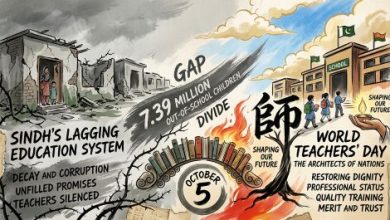
Flawed Policies Stifle Sindh’s Educators
On World Teachers’ Day, Sindh’s education crisis demands honest reflection over symbolic praise. Despite policy reforms, systemic corruption, digital failures,…
Read More » -
Travelogue

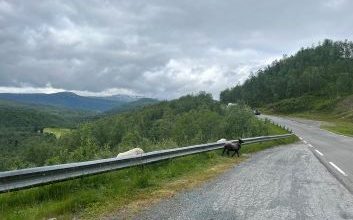
The Music of the Memories
Outside the windows was northern Sweden. Inside the car were memories of Sindh, Pakistan, and our younger years. We listened…
Read More » -
Point of View
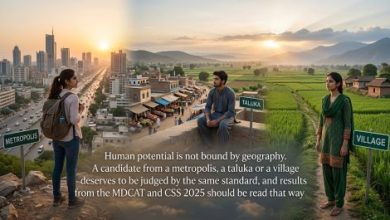
Beyond Top Ranks in Sindh Education
What MD CAT Top-20 and CSS 2025 Lists Cannot Tell Us About Sindh’s Education System By Dr. Nisar Ahmed Solangi…
Read More » -
Education
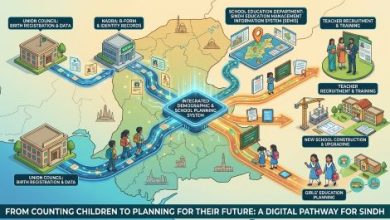
From NADRA Records to School Planning
With responsible integration of NADRA/B-Form, Union Council and education data, the province can begin planning today for the classrooms, teachers…
Read More » -
Point of View
Be a Welcome Guest, not Responsibility
Sindhi hospitality is a beautiful cultural tradition. We should protect it rather than allow it to become a burden. By…
Read More » -
History
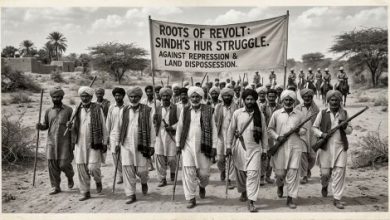
Roots of Revolt: Sindh’s Hur Struggle
A historical and socio-political analysis of the Hur resistance movement in Sindh under British rule. Moving beyond colonial labels like…
Read More » -
Point of View
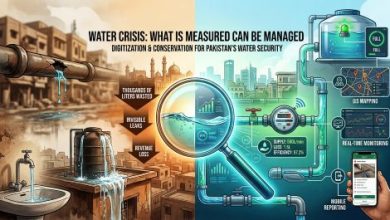
From Water Scarcity to Water Security
The real challenge is not simply to find more water. It is to ensure that the water we already have…
Read More » -
Health
Redefining Renal Care for Sindh’s Future
As kidney disease increasingly intersects with diabetes, hypertension, and cardiovascular issues, the future of renal medicine must move beyond dialysis…
Read More » -
Literature
The Last Clouds – Environmental Poetry
These poems are a powerful reminder to protect the earth before it is too late. Poet and writer Amir Murtaza…
Read More »